



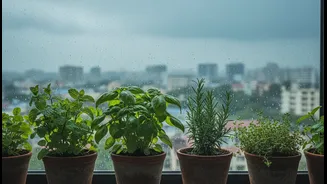


Mint (Pudina): The Resilient Refresher
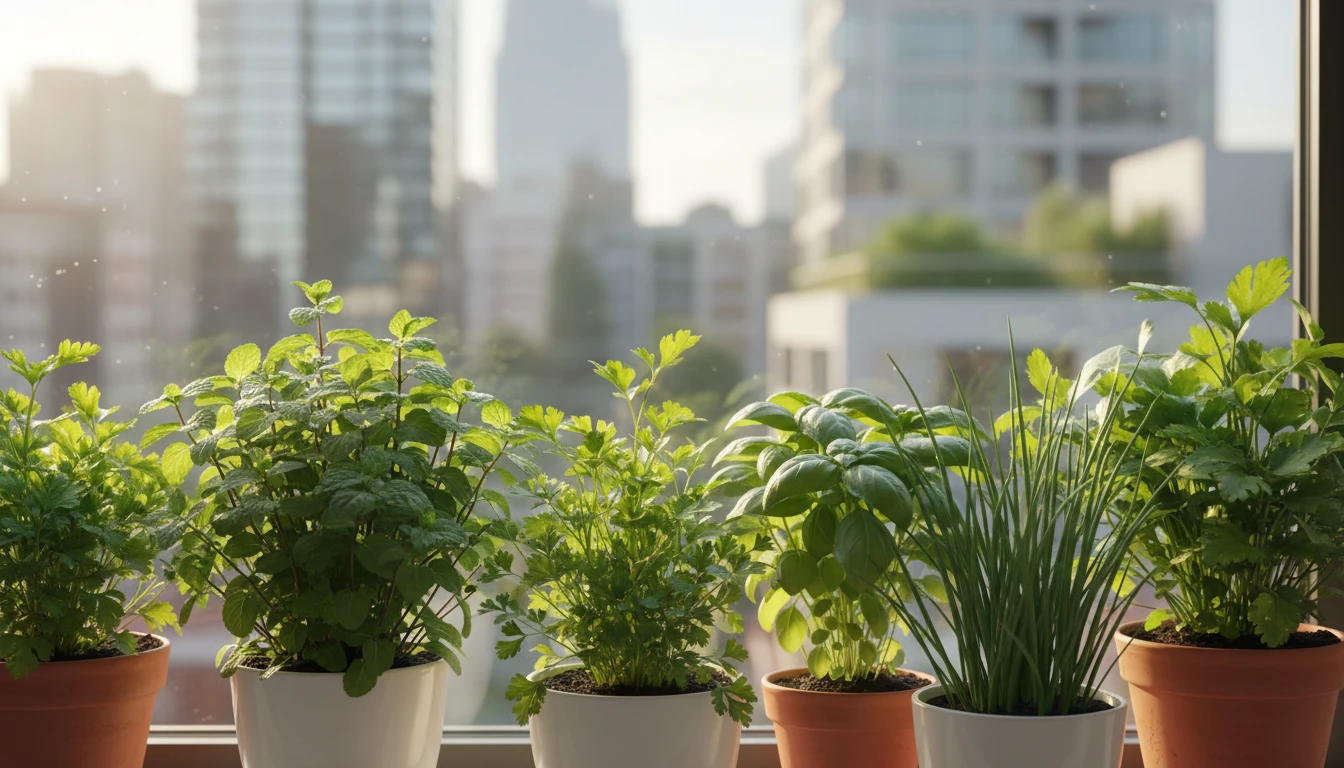
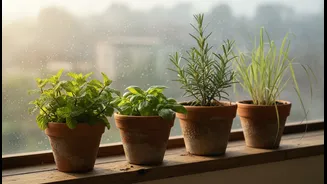
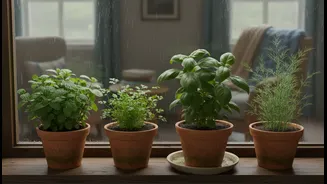
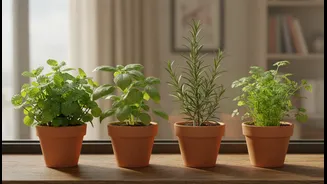
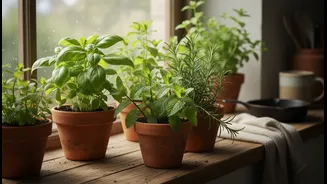
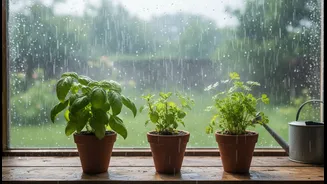
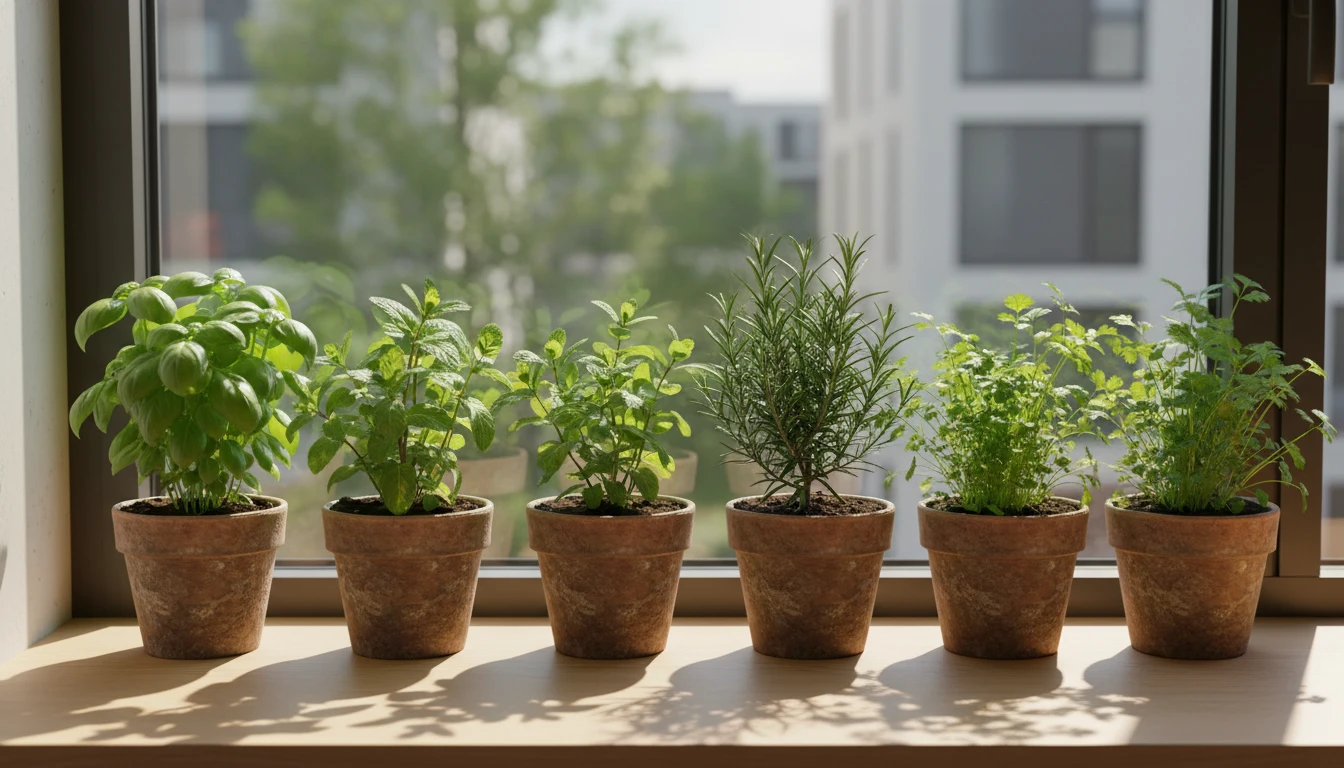
Mint is arguably the easiest and most rewarding herb for a beginner gardener. It's notoriously resilient and adapts well to the lower light and high humidity of the monsoon season. In fact, it prefers indirect sunlight over the harsh afternoon sun, making
a kitchen windowsill an ideal spot. You don't even need seeds to start; simply take a few healthy cuttings from a bunch you bought at the market. Place these stems in a glass of water, and within a week, you'll see small white roots emerge. Transplant them into a pot with a well-draining soil mix—a combination of potting soil, cocopeat, and compost works wonders. Mint is a vigorous grower, so choose a pot at least 10-12 inches wide to give it space. Keep the soil consistently moist but never waterlogged. Regular harvesting is key; pinching off the top leaves encourages the plant to grow bushier and fuller, providing a constant supply for your morning tea, vibrant chutneys, or a refreshing glass of nimbu paani.
Coriander (Dhania): The Essential Garnish
No Indian kitchen is complete without a steady supply of fresh dhania, and growing it at home is a game-changer. While coriander typically loves sunshine, it can be successfully grown on a windowsill with less direct light, especially during the cooler, overcast days of the monsoon. The trick to growing it in lower light is to harvest it frequently. When plants don't get intense light, they can become 'leggy' or stretched. By regularly snipping the outer leaves for your daily cooking, you encourage the plant to stay compact and produce more foliage. For best results, use a wide, shallow container with good drainage. Crush the seeds gently before sowing to improve germination rates and cover them with a thin layer of soil. Keep the soil moist, and you should see sprouts within a week or two. In about a month, you'll be able to harvest your own pesticide-free coriander, adding its unmistakable fresh, citrusy flavour to everything from dal to salads.
Spinach (Palak): The Versatile Powerhouse
While you might picture spinach growing in large fields, it adapts beautifully to container gardening. Palak is a fast-growing leafy green that is surprisingly tolerant of partial shade, requiring just four to six hours of sunlight, which is often what a bright windowsill offers during the monsoon. This makes it an excellent choice for a productive kitchen garden. For quicker germination, you can soak the seeds overnight before planting. Use a rectangular container or a pot that is at least six to eight inches deep to give the roots enough space. Fill it with a nutrient-rich potting mix. Sow the seeds and keep the soil consistently moist. One of the best methods for a continuous supply is the 'cut-and-come-again' technique. Instead of uprooting the whole plant, harvest the larger, outer leaves. This allows the smaller, inner leaves to continue growing, giving you multiple harvests from a single planting. Imagine making fresh palak paneer with greens picked just moments before cooking.
Brahmi: The Unique Wellness Herb
For a more unconventional but incredibly beneficial addition to your windowsill garden, consider Brahmi. This ancient herb, celebrated in Ayurveda for its memory-boosting and stress-reducing properties, is a perfect low-light champion. It naturally thrives in moist, shaded conditions, making it exceptionally well-suited for an indoor monsoon garden where other plants might struggle. Brahmi is a creeping herb that looks beautiful as it begins to trail over the side of its pot. It requires very little upkeep. You can grow it from cuttings or seeds in a standard pot with well-draining soil. The most important thing is to keep the soil consistently moist, as Brahmi loves water. You can occasionally pluck a few leaves, wash them, and chew them raw or add them to juices and salads. Growing Brahmi not only adds a touch of unique greenery to your kitchen but also brings a piece of traditional wellness into your home.