



Reimagining the Pookalam with Nature's Best
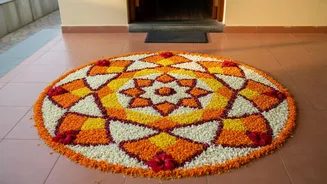
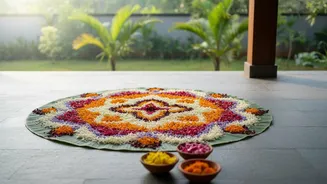
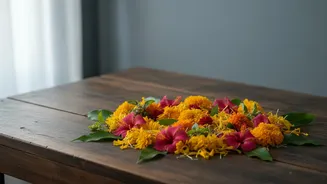
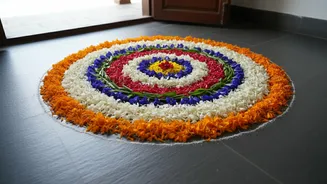
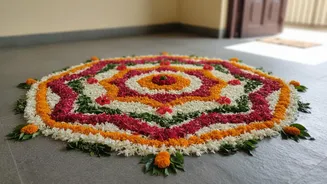
The pookalam is the heart of Onam decor, a vibrant floral carpet laid out in welcome. To make this tradition more sustainable, start by sourcing flowers locally. Opt for seasonal blooms like marigolds, jasmine, and hibiscus that are readily available
in local markets, reducing the carbon footprint associated with transportation. Instead of using only expensive or exotic flowers, get creative by mixing in colourful leaves, herbs like tulsi, or even natural powders like turmeric and rice flour for your design. For a truly zero-waste approach, compost the flowers after the festival. Some families even create smaller pookalams on reusable bases like woven trays or in a traditional brass urli filled with water, which can be easily moved and managed in smaller apartment spaces. These floating floral arrangements are both beautiful and practical.
Eco-Friendly Thorans and Door Hangings
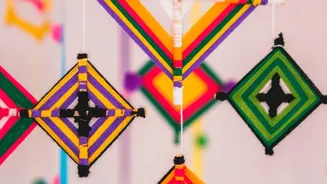
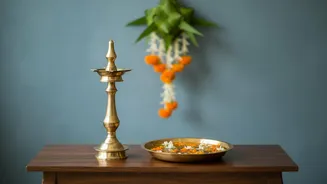
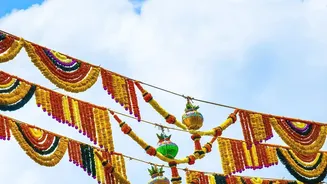
Welcoming guests begins at the door, often decorated with festive thorans or garlands. While plastic versions are common, traditional and eco-friendly alternatives are far more charming and sustainable. Classic thorans made from mango leaves and marigold flowers are fully biodegradable and are believed to bring good luck. You can also get creative with DIY projects. Try crafting door hangings from upcycled materials like old fabric scraps from sarees, colourful ribbons, or even by painting and decorating coconut shells. Investing in a well-crafted fabric, wooden, or bead-based thoran means you have a beautiful, reusable piece of decor not just for Onam, but for all the festivals to come.
The Glow of Sustainable Lighting
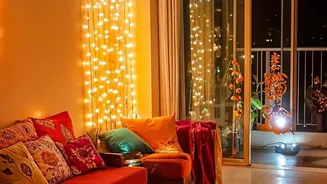
The warm glow of lamps is essential to the festive atmosphere. Instead of single-use plastic tea lights or excessive electric fairy lights, return to the timeless elegance of traditional lamps. The Nilavilakku, a tall brass lamp, is a centrepiece of Onam celebrations. Supplement this with earthen or terracotta diyas, which are inexpensive, biodegradable, and add a rustic charm. You can paint these clay diyas at home for a personalised touch, making them reusable for future festivals like Diwali. For those who prefer electric options, switching to energy-efficient LED lights is a more sustainable choice than conventional incandescent strings. Floating diyas or candles in a brass urli filled with water and petals creates a stunning and serene effect.
Fabric, Fibres, and Upcycled Accents
Extend your sustainable mindset beyond flowers and lights. Traditional textiles can play a huge role in your decor. The classic cream and gold Kasavu fabric, typically used for sarees, can be repurposed as a beautiful table runner, wall drape, or backdrop for your puja area. Old silk sarees with vibrant colours can be transformed into cushion covers or small decorative hangings. Natural materials like banana leaves are incredibly versatile; use them as table runners or placemats for the Onam sadhya. Not only is this traditional, but the leaves can be composted afterwards, making for a zero-waste feast setting. Incorporating decor made from wood, cane, and brass further connects your home to natural elements.
Permanent Blooms and Reusable Art
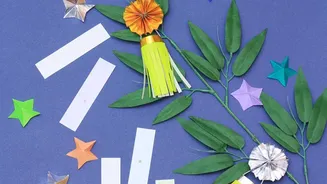
For those who want decor that lasts well beyond the festival, consider creating permanent floral art. One creative idea is to press and dry the petals of your pookalam flowers. These dried petals retain their colour well and can be arranged in a frame to create a permanent piece of pookalam art that you can display year after year. Another option gaining popularity is making reusable pookalams from materials like coloured paper, fabric petals, or even coloured rice and pulses arranged on a cardboard base. This can be a fun craft activity for children and results in a decoration that can be carefully stored and reused, keeping the festive spirit alive without the daily need for fresh materials.