






The Unseen Enemy: Why Humidity Matters
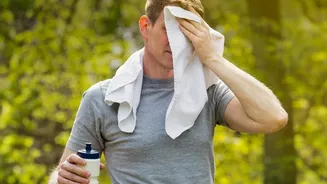
Our bodies are remarkably good at staying cool. When we get hot, we sweat. The magic, however, isn't in the sweating itself, but in the evaporation of that sweat from our skin, which releases heat and regulates our internal temperature. High humidity
throws a wrench in this finely tuned system. Humidity is the measure of moisture in the air. When the air is already saturated with water vapour, our sweat has nowhere to go. Evaporation slows down dramatically or stops altogether, leaving us feeling damp and clammy. Your body, trying to cool down, keeps producing more sweat, leading to potential dehydration without providing any of the cooling benefits. This forces your internal systems, especially your heart, to work much harder to prevent overheating.
More Than Just a Feeling: The Science of Heat Stress
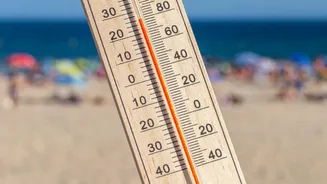
The temperature you see on a weather app doesn't tell the whole story. Meteorologists use terms like 'heat index' or 'feels like' temperature to provide a more accurate picture of the stress on the human body. This metric combines the air temperature with relative humidity. For instance, an air temperature of 32°C with 70% humidity can feel like a much more dangerous 41°C. This is because the added moisture makes it harder for your body to cool itself. Another important, though less commonly reported, measure is the wet-bulb temperature. It essentially measures the lowest temperature your body can reach through evaporative cooling. As the wet-bulb temperature rises, it signals a critical threshold where human bodies can no longer cool themselves effectively, creating a serious risk of heat-related illness. Studies show that cardiovascular strain can begin even before your core body temperature starts to rise, highlighting the silent danger of humid heat.
Recognising the Danger Signs
Because humidity masks the true strain on your body, it's vital to recognise the early warning signs of heat-related illnesses, which can occur at what might seem like moderate temperatures. The first signs often include muscle cramps, fatigue, and heavy sweating. This can progress to heat exhaustion, characterized by dizziness, headache, nausea, a weak and rapid pulse, and cool, moist skin. If not addressed, heat exhaustion can escalate to heatstroke, a life-threatening emergency. Symptoms of heatstroke include a high body temperature (above 103°F), confusion, slurred speech, and potentially a loss of consciousness. In some cases, a person with heatstroke may stop sweating altogether. People with pre-existing conditions, especially cardiovascular or respiratory issues, the elderly, and young children are at a much higher risk.
Practical Steps for Staying Safe in the Stickiness
Protecting yourself from humid heat is about being proactive. The most crucial step is to stay hydrated. Drink plenty of water throughout the day, even before you feel thirsty. Traditional Indian drinks like buttermilk and coconut water are also excellent for replenishing fluids and electrolytes. Plan your day to avoid being outdoors during the peak heat and humidity, typically between noon and 4 p.m. If you must be outside, schedule frequent breaks in shaded or, ideally, air-conditioned spaces. Your choice of clothing makes a significant difference. Opt for lightweight, loose-fitting cotton garments in light colours, which allow air to circulate and reflect sunlight. At home, use fans to keep air moving, which can help with sweat evaporation even in humid conditions. Taking cool showers can also provide immediate relief and help lower your body temperature.