



A Shift Away from Sameness
For years, the ideal home was filled with glossy, factory-fresh furniture, identical to what one might see in a catalogue or a neighbour’s flat. But a growing movement is pushing back against this world of mass-produced uniformity. Homeowners and designers
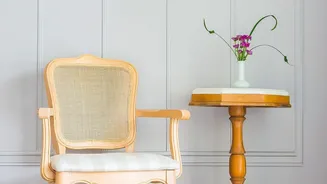
across India are increasingly seeking out furniture that tells a story—pieces with a history etched into their very grain. This trend is not just about aesthetics; it's a reaction against 'fast furniture' that is often low on quality and character. Instead, people are drawn to the unique imperfections—the slight patina on a brass handle, the well-worn surface of a teak tabletop—that make a piece one-of-a-kind. This search for authenticity is transforming living spaces from sterile showrooms into personal sanctuaries that reflect heritage and individuality.
Sustainability as a Design Statement
The embrace of old furniture is deeply connected to a rising consciousness about sustainability. Choosing vintage or reclaimed items is an inherently eco-friendly act. It prevents old pieces from ending up in landfills and reduces the demand for new raw materials, saving trees from being felled. Designers and architects are championing this approach, repurposing wood from old mansions, doors, and even boats to create stunning, contemporary furniture. This practice of using reclaimed materials is not just about being environmentally responsible; it’s about creating beautiful, high-quality items that last for generations. In this context, a piece of furniture made from reclaimed wood is more than just a table or a chair; it's a statement about responsible living and mindful consumption.
The Pull of Nostalgia and Heritage
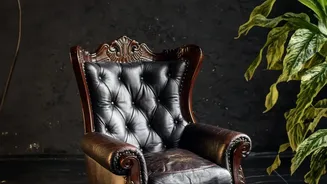
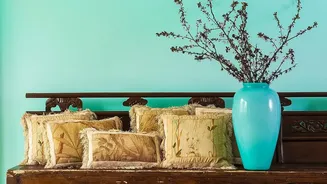
In a rapidly globalising world, there is a strong desire to connect with one's roots, and furniture has become a powerful medium for this. Antique pieces, whether they are family heirlooms or market finds, offer a tangible link to the past. An old dowry chest (or 'sandook') repurposed as a coffee table, a colonial-era planter's chair in a modern living room, or a divan adorned with traditional textiles—these items bring a sense of history and continuity into the home. They evoke nostalgia and celebrate the rich legacy of Indian craftsmanship, from the intricate carvings of Rajasthan to the solid teak and rosewood furniture of the South. This is not about recreating homes from the past, but about integrating meaningful elements that give a space soul and a sense of belonging.
What's Old is New Again
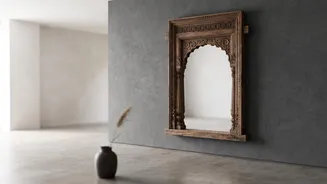
The trend isn't about turning homes into museums. Instead, the magic lies in the fusion of old and new. Contemporary designers excel at blending antique elements with clean, modern aesthetics to create a look that is both timeless and fresh. Imagine a sleek, minimalist apartment where the focal point is an intricately carved antique door used as a wall panel or headboard. Or a modern dining area where the table is made from a single slab of reclaimed wood, surrounded by contemporary chairs. Popular items making a comeback include teak and rosewood cabinets, sturdy 'bajots' or low stools, 'jhulas' (swings) installed indoors, and old trunks used for storage and style. These pieces are valued for their durable materials like solid teak and sheesham, and decorative elements like brass inlays, which add warmth and a regal touch.
The Thrill of the Treasure Hunt
Part of the appeal of this trend is the joy of discovery. Finding the perfect piece often involves a treasure hunt through bustling antique markets, dusty warehouses in cities like Jodhpur, or scrolling through specialised online stores. This process of sourcing is far more personal and rewarding than simply clicking 'buy' on a mass-market website. Each piece, whether it's a weathered cabinet from a Rajasthani haveli or a set of Anglo-Indian chairs, comes with a backstory. This narrative of origin and craftsmanship is what collectors and homeowners cherish. They are not just acquiring a functional object, but a piece of history that adds a unique layer of personality and conversation to their home.