





From Commodity to Craft
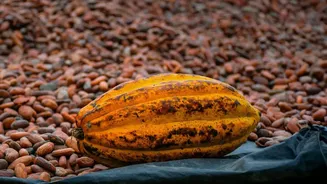
A new generation of Indian chocolatiers is shifting focus from mass-produced confectionery to 'bean-to-bar' craftsmanship. For a long time, Indian cacao, grown primarily in the southern states of Kerala, Tamil Nadu, Andhra Pradesh, and Karnataka, was
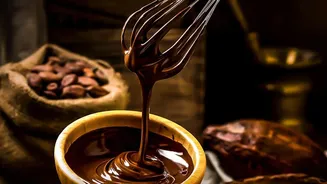
treated as a low-value commodity. Farmers often sold wet, unfermented beans to middlemen, resulting in inconsistent quality. Today, the bean-to-bar movement is changing that narrative. Artisans are now controlling every step of the process, from sourcing high-quality, single-origin beans directly from farms to roasting, grinding, and moulding the final bars. This meticulous approach allows them to showcase the unique, complex flavours of the cocoa itself, a stark contrast to industrial chocolates that often mask bean quality with high sugar content and additives.
The Terroir of South India
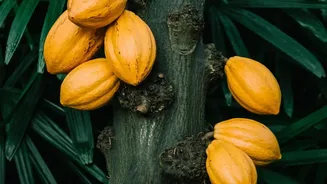
The heart of this movement beats in the cocoa-growing regions of South India. Places like the Idukki hills in Kerala, the Godavari region in Andhra Pradesh, and estates near Coimbatore and Mysuru are becoming epicentres of quality. The unique terroir—the combination of soil, climate, and environment—gives these beans a distinct character. Often intercropped with coconut, pepper, nutmeg, and banana, the cocoa develops nuanced flavour profiles that are impossible to replicate. Beans from Idukki, for instance, are known for a complex taste with notes of fruit, spice, and a pleasant, balanced bitterness. This phenomenon, known as flavour incorporation, means that the beans subtly absorb the characteristics of the plants surrounding them, creating a chocolate that tells the story of its origin.
The Art of the Chocolatier
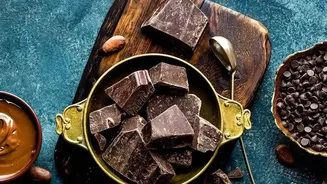
This movement has given rise to a wave of celebrated homegrown brands. Names like Manam, Soklet, Mason & Co, Paul and Mike, and Bon Fiction are gaining recognition both in India and internationally for their quality and innovation. Soklet, based in Tamil Nadu, is one of India's few 'tree-to-bar' makers, controlling everything from the cultivation of cacao trees on their own plantation to the finished product. Auroville-based Mason & Co champions organic and vegan principles, sourcing beans directly from small farms in South India and ensuring transparency in their supply chain. Meanwhile, Manam in Hyderabad and Bon Fiction in the Godavari region work closely with local farmers, creating single-estate bars that highlight the specific flavours of that particular harvest. These chocolatiers are not just making dessert; they are curating a sensory experience, often infusing their creations with local ingredients like Chakkarakeli banana, masala chai, and Gondhoraj lime.
Redefining 'Mindful Luxury'
The rise of Indian craft chocolate is about more than just taste; it represents a shift toward 'mindful luxury'. Consumers are increasingly seeking out products that are clean, ethically produced, and locally sourced. This new definition of luxury prioritises transparency, sustainability, and community impact. Brands like Pascati, one of India's first USDA Organic and Fairtrade certified makers, and Kocoatrait, a zero-waste brand, exemplify this ethos. By paying fair prices to farmers, using sustainable packaging, and avoiding chemical treatments and artificial additives, these companies are offering a product that consumers can feel good about. It's a form of indulgence that aligns with modern values—one that is rooted in quality, authenticity, and a connection to the land.