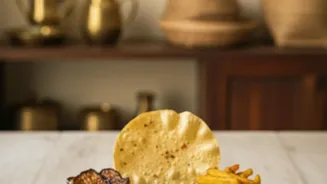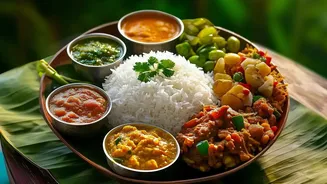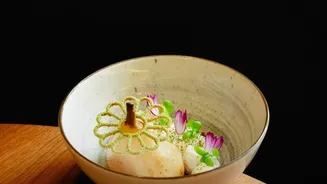


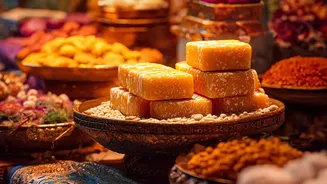

For decades, 'Indian food' in big cities meant a familiar rotation of popular dishes. Now, a quiet revolution is underway as hyper-local, micro-regional recipes move from home kitchens to the centre of the fine dining conversation.
Beyond Butter Chicken and Biryani
The Indian culinary
landscape is undergoing a significant and flavourful transformation. For years, the fine dining scene in major cities was dominated by a handful of celebrated dishes that, while delicious, represented only a sliver of the country's immense gastronomic diversity. A restaurant menu in Delhi or Mumbai could often feel interchangeable. But that era is fading. Today, chefs and diners are looking past the mainstream and diving deep into what is known as micro-regional cuisine. This isn't just about North vs. South Indian food; it's about the distinct culinary traditions of specific sub-regions, communities, and even villages. Think not just of Bengali food, but of a dish specific to a district in the Sundarbans; not just Maharashtrian cuisine, but the Varhadi specialities of Vidarbha. This movement celebrates the unique flavours shaped by a local climate, specific ingredients, and generations of culinary wisdom.
A Quest for Authenticity and New Experiences
One of the primary drivers of this trend is a massive shift in diner preferences. Urban Indian diners have become more curious, well-travelled, and discerning. They are no longer content with generic, one-size-fits-all menus. Instead, they seek out food that tells a story, offers a sense of place, and provides a genuine cultural experience. Social media also plays a crucial role, with food bloggers and travel creators showcasing unique, regional delicacies that were once largely unknown outside their place of origin. This digital exposure has created a nationwide curiosity for dishes like Nagaland's smoked pork with axone, Himachal's siddu, or the tamarind-laced fish curries of Kerala. People want to taste something real and rooted, and restaurants are responding to this hunger for authenticity.
Chefs as Culinary Custodians
This culinary renaissance is being led by a new generation of chefs who see themselves as more than just cooks; they are cultural archivists and storytellers. Many chefs are embarking on personal journeys, travelling to remote villages, researching forgotten cookbooks, and learning from home cooks to revive lost recipes. Chef Thomas Zacharias, formerly of The Bombay Canteen, famously travelled across India to document and understand regional food traditions before they disappeared. Others, like Chef Prateek Sadhu, have opened restaurants in the Himalayas to focus on the region's unique methods of fire, fermentation, and foraging. These culinary pioneers are making a conscious effort to bring underrepresented ingredients and techniques to the forefront, celebrating everything from foraged greens in Maharashtra to indigenous grains like millets and heirloom rice.
The Logic of Local and Sustainable
The embrace of micro_regional cuisine aligns perfectly with the global farm_to_table movement, which prioritizes local, seasonal, and sustainable sourcing. By focusing on regional ingredients, restaurants reduce their carbon footprint, support local farmers and economies, and ensure the freshness and quality of their produce. This approach fosters a direct and meaningful connection between the farmer, the chef, and the diner. Diners are increasingly conscious about the origins of their food, and a menu that highlights a specific local chilli from a particular village or a special cheese from a small community producer has a powerful story to tell. This isn't just good ethics; it's good business, as it allows restaurants to offer unique dishes that cannot be easily replicated.
A Taste of India's Diverse Platter
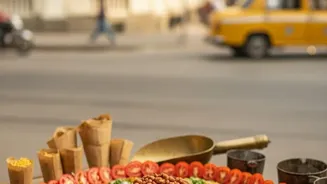
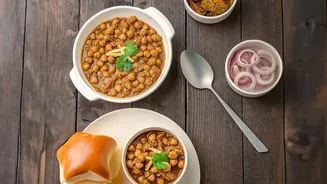
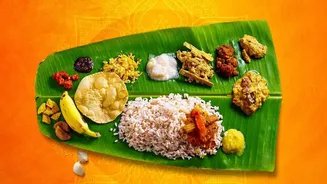
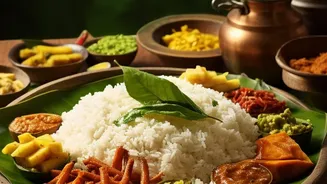
The result of this movement is a vibrant and exciting urban dining scene. Fine dining menus are now showcasing an incredible variety of dishes that were once confined to home kitchens. Diners might find Kumaoni bhatt ki churdkani (a black bean gravy) in a Delhi restaurant, or a refined version of Kerala's thal curry (made with yam stems) in Mumbai. From the smoky,
bamboo_infused dishes of the Northeast to the sun_dried and spice_rich preparations of Rajasthan,
the true depth of Indian food is finally being celebrated. This trend is putting dishes like Jharkhand's pitha,
Kerala's avial,
and Telangana's gongura preparations on the national map,
allowing people to travel across the country one plate at a time.