



What Exactly Is Space Biology?
At its core, space biology is the study of life in the cosmos. It’s a vast, interdisciplinary field that seeks to understand how living organisms—from the smallest microbes to human astronauts—are affected by the unique conditions of space, such as microgravity
and cosmic radiation. This field isn't just about searching for extraterrestrial life; it’s critically important for the future of human space exploration. Scientists in this domain tackle fundamental questions: How does long-term space travel impact the human body? Can we grow food in space to sustain astronauts on long-duration missions to the Moon or Mars? How do biological processes like cell growth and reproduction change without Earth's gravity? The answers to these questions are essential for keeping astronauts safe, healthy, and self-sufficient as humanity ventures farther from home.
India's National Ambitions Fueling Opportunity
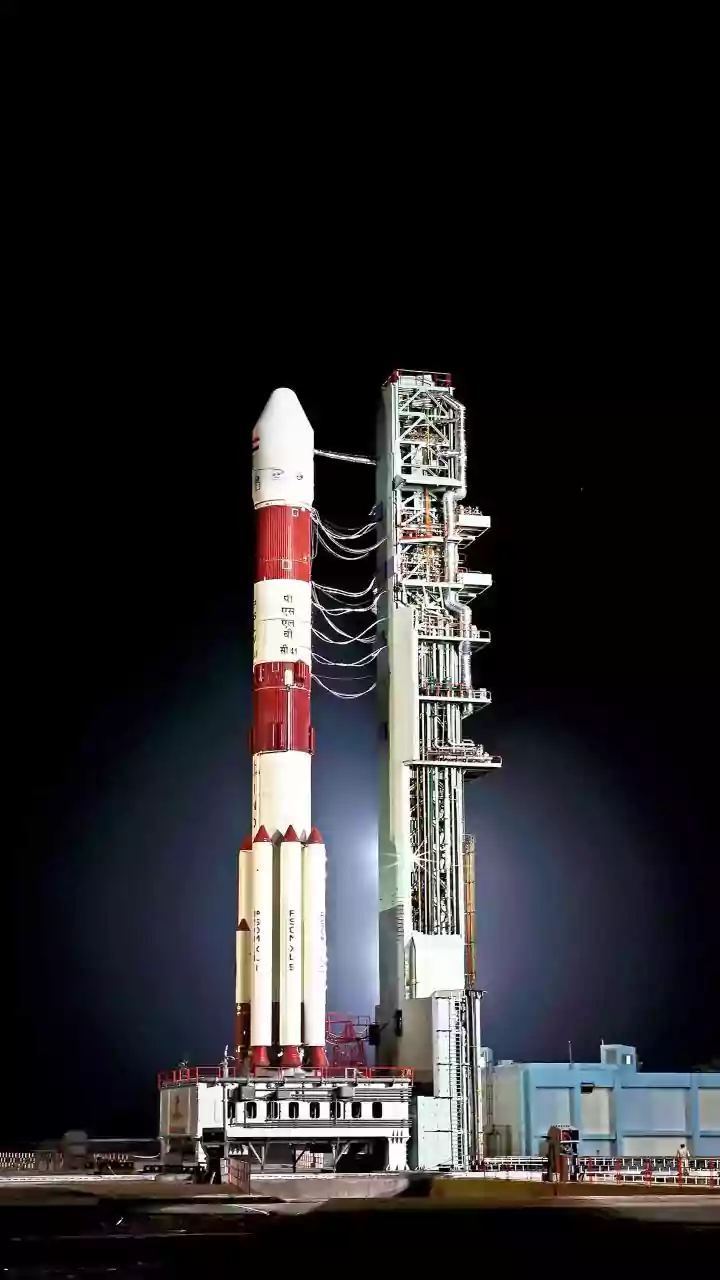
India’s space ambitions are the primary engine driving this career boom. The Indian Space Research Organisation's (ISRO) Gaganyaan mission, which aims to send Indian astronauts into orbit, is a monumental undertaking that goes far beyond just building a spacecraft. To support a human crew, ISRO needs to master a range of life science technologies, from advanced life support systems to crew healthcare and radiation protection. This has triggered a cascade of research and development activities. India has already conducted pioneering biology experiments aboard the International Space Station, studying everything from muscle stem cell regeneration to the viability of crop seeds in space. Looking ahead, the planned Bharatiya Antariksh Station (BAS) will serve as a dedicated orbital laboratory, creating a sustained need for experts to conduct long-term research in space. To build this ecosystem, ISRO is actively engaging with the nation's scientific community through workshops and new training programs.
The New Career Trajectories
The demand created by these missions translates into a diverse range of new career profiles for young professionals. While 'astrobiologist' is a catch-all term, the actual roles are highly specialized and cross-disciplinary. There is a growing need for biomedical engineers who can design compact medical devices for space, and for pharmacologists who can study how medicines work differently in microgravity. Experts in human physiology are required to develop countermeasures for challenges like muscle atrophy and bone density loss faced by astronauts. Furthermore, the goal of sustainable space habitats opens up careers in bio-regenerative life support. This involves creating closed-loop systems where specialists in botany and microbiology work on growing edible plants like fenugreek and cultivating algae that can produce oxygen and serve as a food source.
Crafting a Career in Space Biology
For aspiring professionals, the path into space biology requires a strategic academic approach. A bachelor’s degree in a foundational science such as biology, chemistry, physics, or biotechnology is the typical starting point. True specialization occurs at the postgraduate level. A Master’s or, more critically, a PhD is essential for a serious research career in this field. Premier institutions like the Indian Institutes of Science Education and Research (IISERs), the Indian Institute of Space Science and Technology (IIST), and the Tata Institute of Fundamental Research (TIFR) are becoming hubs for this kind of research. Recognizing the need for specialized training, ISRO has also begun launching targeted programs, such as a new post-doctoral fellowship in Bioastronautics, created to train scientists specifically for the medical challenges of human spaceflight.
Beyond ISRO: The Private Sector Ignition
Career opportunities are no longer confined to government agencies. The Indian government's move to open up the space sector to private participation has led to a boom in startups. While many of these companies currently focus on building launch vehicles and satellites, a supporting ecosystem for life sciences is beginning to emerge. As private entities plan their own space missions and infrastructure, they will also need experts in life support, astronaut training, and in-orbit research. Government bodies like the Indian National Space Promotion and Authorisation Centre (IN-SPACe) are facilitating this collaboration between ISRO and private players, ensuring that the entire sector grows in unison. This creates a parallel and exciting career track for young professionals who want to make their mark in India's burgeoning commercial space industry.