








Why Recovery is Your Secret Weapon
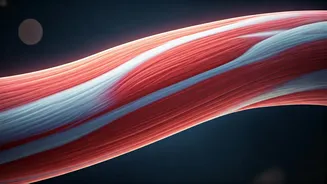
Think of your body like a construction site. A tough workout is the process of breaking down old structures (microscopic tears in muscle fibres) to make way for bigger, better ones. [9, 10] Recovery is when the construction crew—your body's natural repair
systems—comes in to rebuild everything stronger than before. [9, 16] Without this crucial phase, you're just causing damage without seeing the benefits. Proper recovery allows the body to repair tissues, replenish vital energy stores, and regulate hormones, which ultimately reduces injury risk and enhances strength and endurance. [8, 9, 13, 16] It’s not about being lazy; it's a strategic part of training.
Pillar 1: The Power of Sleep
Sleep is arguably the most powerful recovery tool you have, and it's completely free. [25] It's during the deep stages of sleep that your body gets to work. [5] It releases human growth hormone (HGH), which is essential for repairing and building muscle. [1, 5, 7, 10] Quality sleep also helps regulate hormones like cortisol (the stress hormone) and testosterone, creating an ideal internal environment for healing. [1, 10] Sleep deprivation, on the other hand, can hinder muscle growth, worsen reaction times, and even lead to poor nutrition choices by affecting your decision-making abilities. [5, 25] Most active adults need 7-9 hours of quality sleep, and athletes in heavy training might need even more. [4, 7, 8]
Pillar 2: Fuel Your Repair with Nutrition and Hydration
What you eat after a workout provides the building blocks for repair. [3] The two key players are protein and carbohydrates. Protein, made of amino acids, is vital for repairing those micro-tears in your muscles. [6] Aiming for 20-40 grams of high-quality protein after a workout can maximize this muscle-building process. [3, 6, 15] Carbohydrates are just as important for refuelling the glycogen stores your muscles used for energy. [3, 6, 15] A combination of both within an hour or two post-exercise is a great strategy. [3, 28] And don't forget hydration! For every kilogram of body weight lost through sweat, you should aim to drink 1.2 to 1.5 litres of fluid to rehydrate effectively. [3, 15] While water is often enough, a drink with electrolytes can be beneficial after a particularly sweaty session. [3, 15]
Pillar 3: Active vs. Passive Recovery
Recovery doesn't always mean lying on the couch (though sometimes it does!). There are two main types: passive and active. Passive recovery is complete rest, which is essential after very high-intensity workouts to let your body fully repair itself. [12, 20] Active recovery involves low-intensity movement like a light jog, swimming, or yoga on the day after a tough workout. [12, 16, 26] This approach helps increase blood flow to the muscles, which can flush out metabolic waste and reduce stiffness and soreness. [13, 16, 26] Tools like foam rollers can also be considered a form of active recovery, as they help release muscle tightness and improve blood flow. [2, 23, 29, 30] The best strategy often involves a mix of both, depending on how your body feels and the intensity of your recent workouts. [22]
Pillar 4: Don't Forget Your Brain
Physical performance isn't just about the body; your mind needs to recover, too. [11] Chronic mental stress can actually slow down muscle performance recovery. [11] Mental recovery involves intentionally detaching from the pressure of training and performance. [4, 11] Techniques like mindfulness, meditation, and simple breathing exercises can help calm your nervous system, reduce cognitive fatigue, and improve focus. [4, 19, 21, 24] Even engaging in hobbies or spending time with friends can act as a mental reset, preventing burnout and keeping your motivation high. [4, 11] Think of it as allowing your brain's prefrontal cortex—the part responsible for decision-making and emotional control—to recharge. [24]