






A Complete Protein Powerhouse
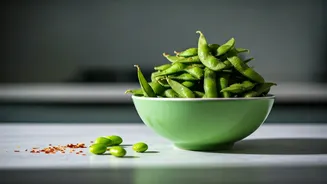
When it comes to plant-based protein, edamame is a standout performer. A single cup of cooked, shelled edamame provides roughly 18 grams of protein. What makes it truly special is that it's a 'complete' protein, meaning it contains all nine essential
amino acids that our bodies cannot produce on their own. This is a quality most often found in animal products like meat and eggs, making edamame an exceptional choice for those on vegetarian or vegan diets, or anyone looking to reduce meat consumption without compromising on protein quality. Beyond protein, these young soybeans are also packed with fiber, which aids digestion and promotes a feeling of fullness.
More Than Just a Steamed Snack
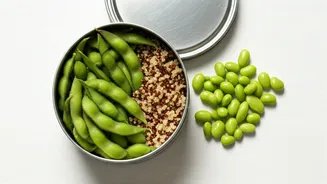
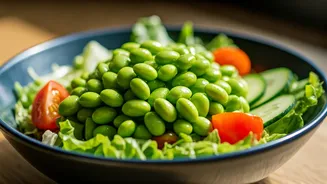
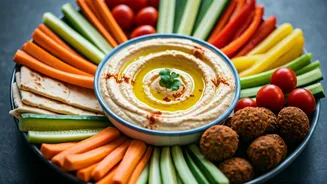
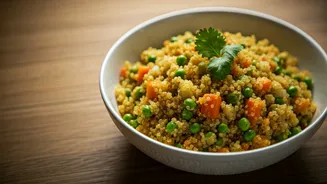
While delicious steamed and lightly salted, edamame’s versatility extends far beyond the pod. Shelled edamame, available frozen for maximum convenience, can be seamlessly integrated into your daily meals. Toss a handful into salads for a protein boost, stir them into fried rice or noodle dishes, or blend them into a creamy, nutrient-dense dip similar to hummus. For a crunchy, satisfying snack, try roasting shelled edamame with a bit of olive oil and your favourite spices until golden and crisp. This transforms them into a portable, high-protein alternative to chips or nuts, perfect for staving off afternoon hunger.
A Smart Choice for Your Wallet
In an era of rising food costs, finding affordable protein sources is key. This is another area where edamame shines. Typically sold in large frozen bags, the cost per serving is significantly lower than many animal proteins and even some other trendy plant-based products. While fresh edamame can be more expensive due to smaller-scale farming and harvesting needs, the widely available frozen variety offers incredible value. By keeping a bag in your freezer, you always have a low-cost, high-protein ingredient on hand to build a meal around, helping you stretch your grocery budget without skimping on nutrition.
Packed with Health-Boosting Nutrients
The benefits of edamame don’t stop at protein and fiber. These beans are also rich in essential vitamins and minerals. They are an excellent source of folate and vitamin K, both crucial for overall health. Studies have also explored soy's role in heart health. Research suggests that soy protein, like that found in edamame, may help reduce levels of LDL cholesterol, often referred to as 'bad' cholesterol. The combination of fiber, antioxidants, and plant compounds in edamame contributes to a heart-healthy diet. Furthermore, as a low-glycemic index food, edamame is a suitable choice for those managing blood sugar levels.
How to Prepare Edamame Perfectly
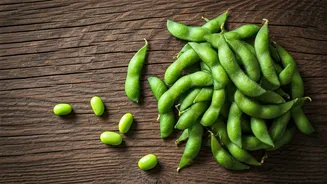
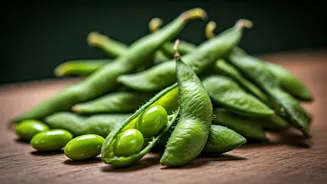
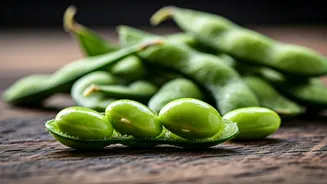
Cooking edamame is incredibly simple. For edamame in the pod, the most common method is boiling or steaming. Simply bring a pot of salted water to a boil, add the frozen edamame, and cook for about 3-5 minutes until the beans are tender. Drain them well and toss with a coarse sea salt. To eat, simply squeeze the beans from the pod into your mouth. For shelled edamame, a quick pan-sear is a fantastic option. Heat a skillet with a bit of sesame oil, add the frozen edamame and a few smashed garlic cloves, and cook for a couple of minutes until warmed through. A splash of soy sauce at the end completes this speedy and flavourful side dish.