






Step 1: Choose the Right Containers
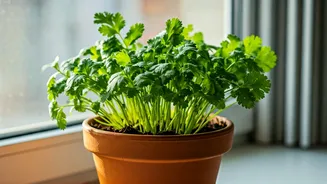
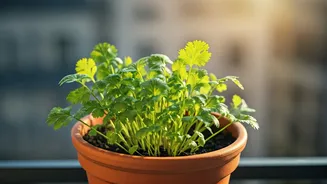
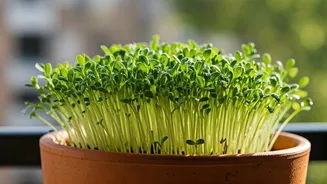
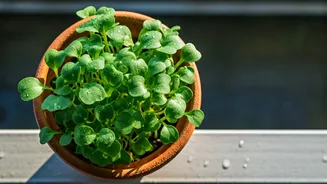
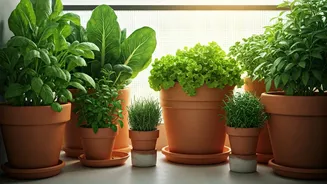
Your journey begins with choosing a home for your future plants. Don't get overwhelmed by the options; simplicity is key. Terracotta pots are a fantastic choice for beginners. They are porous, which allows air and water to move through the sides, preventing
the soil from getting waterlogged and keeping the roots healthy. Plus, they look beautifully rustic. If you prefer something lighter, recycled plastic planters or grow bags are excellent alternatives. The most non-negotiable feature for any container is drainage holes. Without them, water will pool at the bottom, leading to root rot, the number one enemy of potted plants. For starting out, choose medium-sized pots (8-12 inches in diameter) which are versatile enough for herbs and smaller vegetables.
Step 2: Get the Soil Mix Right
Plants get their nutrition from the soil, so creating a good base is crucial. Bagged potting mix from a local nursery is the most effortless option. However, creating your own is cheaper and gives you better control. A simple, effective, and beginner-friendly recipe for Indian climates is the 'one-third' rule. Mix equal parts of: 1. Garden Soil: Provides the basic structure. 2. Cocopeat (Coir Pith): This magic ingredient, made from coconut husks, helps the soil retain moisture without becoming heavy. It’s essential for keeping plants hydrated in our warm climate. 3. Compost or Vermicompost: This is the food for your plants. It’s packed with nutrients that will help them grow strong and healthy. Mix these three components thoroughly in a large bucket or on a tarp. This balanced mix ensures good drainage, moisture retention, and ample nutrition for your fledgling edible garden.
Step 3: Pick Your Easiest Edibles
The secret to an 'effortless' garden is choosing plants that want to grow. Start with a few hardy, low-maintenance options that are used frequently in Indian kitchens. For Herbs: - Pudina (Mint): Incredibly easy. It grows aggressively, so give it its own pot. It loves moisture and partial sun. - Dhania (Coriander): Grow this from the whole coriander seeds in your kitchen! It prefers cooler weather and grows quickly. - Tulsi (Holy Basil): A staple in most Indian homes, it's easy to care for and needs plenty of sun. For Vegetables: - Chillies: Most varieties grow wonderfully in pots. They love sunshine and will reward you with a continuous supply. - Cherry Tomatoes: Easier to manage in pots than larger varieties. Stake them with a small stick as they grow and give them at least 5-6 hours of direct sunlight. - Palak (Spinach): A cool-season crop that grows fast. You can harvest the outer leaves, and the plant will continue to produce more from the centre.
Step 4: Master Sunlight and Watering
Before you place your pots, observe your balcony. Which spots get direct, harsh afternoon sun? Which get gentle morning light? Most edible plants, especially vegetables like tomatoes and chillies, need at least 5-6 hours of direct sunlight per day. Herbs like mint and coriander can thrive with a bit less, around 3-4 hours. The golden rule of watering is: don't follow a schedule, follow the soil. Stick your finger about an inch into the soil. If it feels dry, it's time to water. If it feels moist, wait another day. Water thoroughly until you see it running out of the drainage holes at the bottom. This ensures the entire root system gets a drink. It is always better to water deeply and less frequently than to sprinkle a little water every day.
Step 5: Basic Care and Enjoying the Harvest
Once your plants are settled, a little maintenance goes a long way. Check them every couple of days for any signs of pests, like tiny insects on the underside of leaves. A simple spray of neem oil mixed with water and a drop of liquid soap is a great organic solution for most common pests. Every three to four weeks, you can feed your plants by adding a handful of vermicompost to the topsoil. The best part of an edible garden is, of course, the harvest. Don't be afraid to snip off herbs. Regular trimming actually encourages bushier, healthier growth. There is no feeling quite like cooking a meal with ingredients you have grown yourself, and it transforms your relationship with food.