





A Welcome, Though Tardy, Arrival
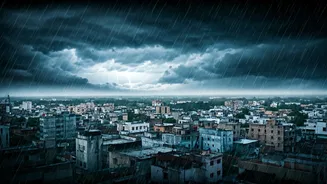
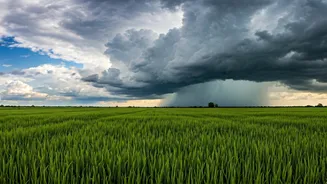
The India Meteorological Department (IMD) confirmed that the southwest monsoon advanced into parts of Gujarat and Madhya Pradesh on Wednesday, June 24. For Madhya Pradesh, the arrival was nine days later than its normal onset date, bringing much-needed
respite from prolonged heat and humidity that had gripped large swathes of the state. Similarly, Gujarat welcomed the rains about a week later than its usual June 15 arrival date. The northern limit of the monsoon now passes through key cities including Surat in Gujarat and Indore in Madhya Pradesh. While the arrival brought showers and pleasant weather to many districts, some parts of north Gujarat, like Gandhinagar and Rajkot, continued to experience high temperatures around 40.5 degrees Celsius.
The Agricultural Lifeline
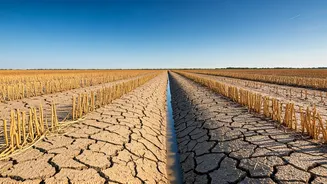
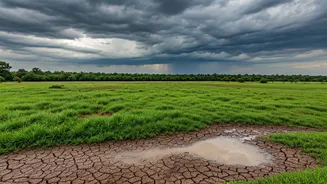
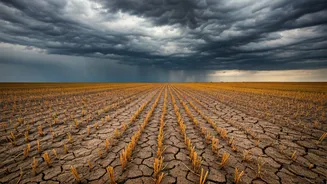
The monsoon's arrival is far more than a simple weather event; it is the lifeblood of India's agricultural economy, which depends heavily on the seasonal rains for its Kharif (summer) crops. The timely onset of rain is crucial for the sowing of major crops like cotton, soybean, rice, and groundnut, particularly in states like Gujarat and Madhya Pradesh where a significant portion of farmland is rain-fed. The delay had caused concern, with rainfall deficits of 50% in Madhya Pradesh (and as high as 70% in its eastern part) recorded between June 1 and June 24. Farmers who had been anxiously waiting can now begin planting, and officials expect the significant rainfall deficit to narrow as the monsoon strengthens over the coming days.
Forecast: Rain, Wind, and Warnings
The monsoon's entry has not been entirely gentle. The IMD has issued warnings for thunderstorms accompanied by lightning and gusty winds for both states. In Madhya Pradesh, winds of 40 to 50 kmph, with gusts up to 60 kmph, are expected between June 25 and 28. Some areas even experienced hailstorms. For Gujarat, the forecast includes heavy rains at isolated places in the southern parts of the state, along with moderate thunderstorms. Favourable conditions are expected to help the monsoon advance further into the remaining parts of both states, as well as neighbouring regions like Uttar Pradesh and Bihar, over the next two to three days.
A Season of Cautious Optimism
While the monsoon's arrival sparks celebration, the outlook for the 2026 season remains one of cautious optimism. The IMD's long-range forecast has predicted a 'below-normal' monsoon for the country as a whole, with rainfall projected at 90% of the long-period average. This is attributed to the potential impact of an El Niño event, a climatic pattern that often suppresses monsoon rainfall in India. The season began with a nationwide rainfall deficit, and while the current advance will help alleviate immediate concerns, the performance of the monsoon in the crucial months of July and August will determine the fate of crop yields, reservoir levels, and the broader rural economy.