
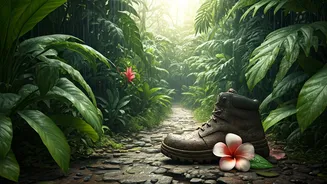



The Allure of the Downpour
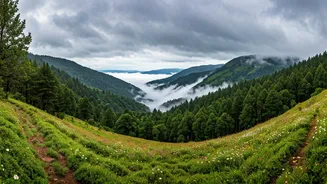
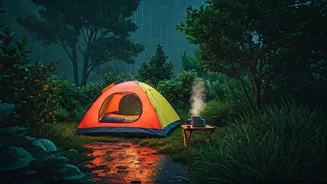
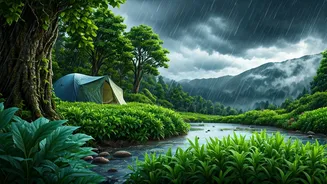
Forget the postcard-perfect sunny skies. The magic of monsoon camping lies in its dramatic, multi-sensory appeal. It's the scent of petrichor rising from the damp earth, the symphony of raindrops drumming on your tent flysheet, and the sight of a world
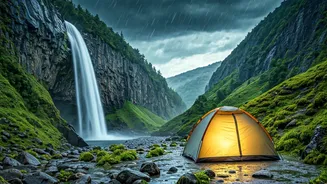
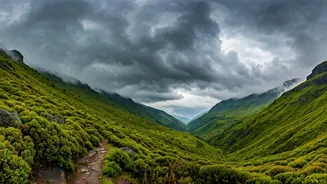
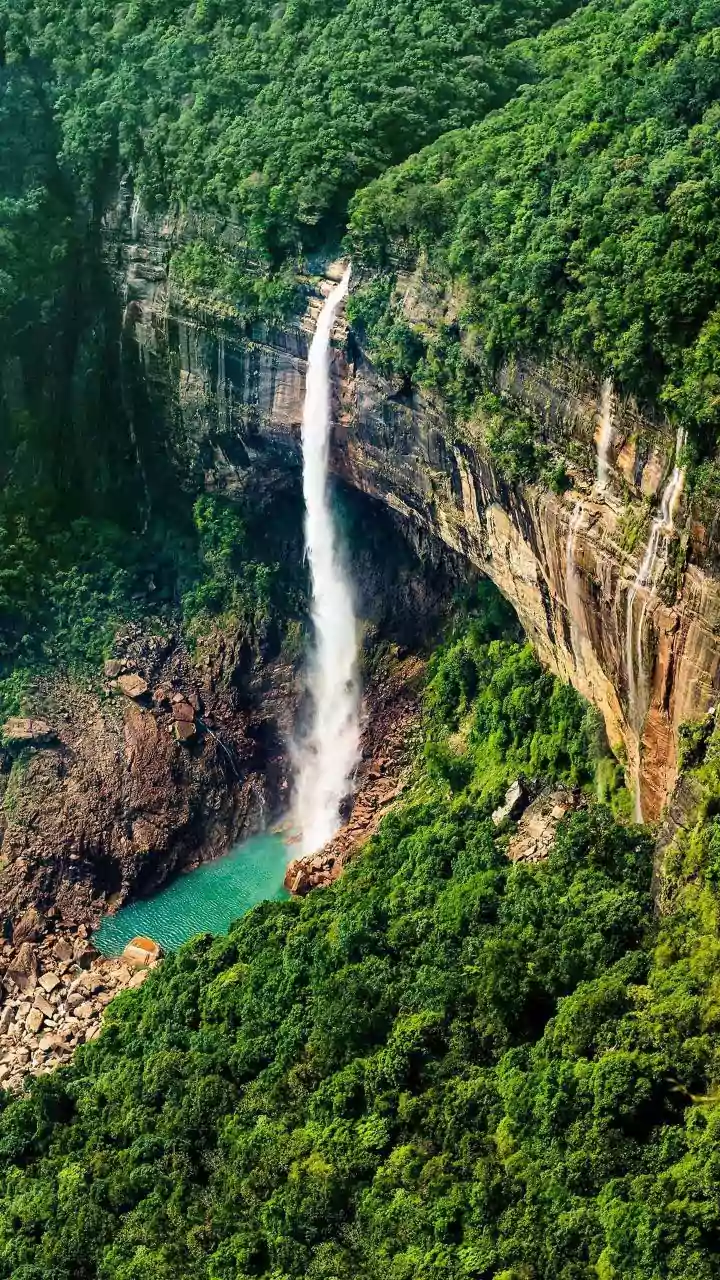
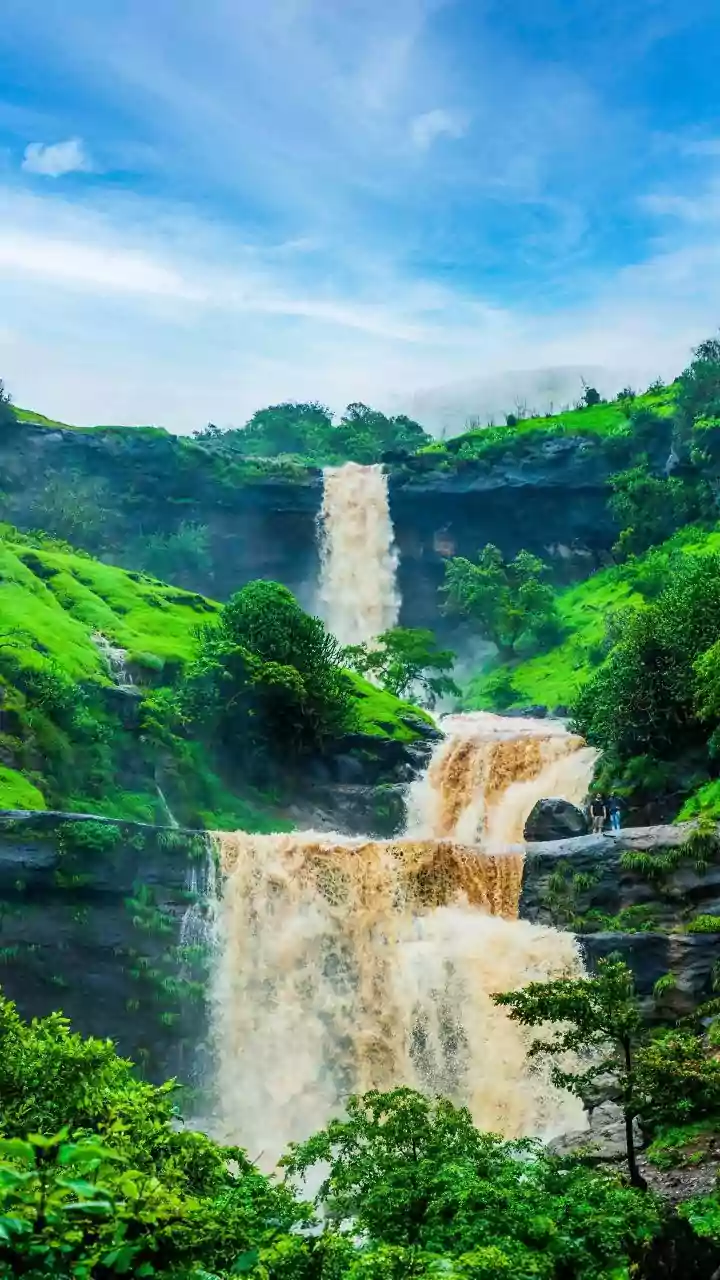
washed clean and bursting with impossible shades of green. For years, the Indian outdoors was primarily a summer or winter affair, with the rainy season seen as an off-season to be avoided. But that perception is changing, and fast. Enthusiasts are discovering that the monsoon doesn't diminish the beauty of nature; it transforms it. Waterfalls that are mere trickles in May become roaring cascades in July. Barren hillsides erupt in a carpet of wildflowers. The experience is more immersive, less crowded, and offers a perspective on familiar landscapes that feels entirely new.
From Nuisance to Nirvana
What’s behind this shift? It’s a combination of factors. The rise of domestic travel has encouraged Indians to explore their own backyards more deeply. As popular spots become congested during peak seasons, adventurous travellers are actively seeking out the solitude and unique challenges of the shoulder seasons. Tour operators and adventure companies have responded, curating monsoon-specific treks and camping experiences that were once unthinkable. Social media has also played a huge role. A single, stunning shot of a tent pitched against a backdrop of misty hills in the rain is often enough to inspire hundreds of others to seek out the same experience. This growing confidence in tackling less-than-perfect weather signals a maturing of India's outdoor culture, moving from casual tourism to genuine, all-weather adventurism.
Prime Monsoon Camping Destinations
While the idea is tempting, location is everything. The Western Ghats are the epicentre of this trend. Places like Lonavala, Bhandardara, and Malshej Ghat in Maharashtra, as well as Coorg and Wayanad in the south, offer a spectacular combination of lush forests, rolling hills, and accessible trails. The lower Himalayas in states like Uttarakhand and Himachal Pradesh also provide stunning, albeit more challenging, options, with verdant valleys and cloud-kissed peaks. Even the Aravalli Range in Rajasthan, known for its arid climate, undergoes a magical green transformation, opening up unique camping opportunities near Udaipur and Mount Abu. The key is to choose established campsites or trails, especially if you are a beginner, as the monsoon landscape can be unpredictable.
Essential Gear for a Wet Adventure
Enjoying the rain is only possible if you’re not miserably soaked and cold. The right gear is not a luxury; it's a necessity. Your first priority should be a high-quality waterproof tent with a good rainfly and a sealed groundsheet. Next, pack synthetic, quick-drying clothes — avoid cotton at all costs, as it holds moisture and makes you cold. A reliable raincoat and waterproof pants are non-negotiable. Protect your feet with waterproof trekking shoes that have excellent grip. Equally important is protecting your gear. Use dry bags or multiple layers of plastic to keep your sleeping bag, electronics, and spare clothes completely dry. And don't forget a powerful insect repellent; the monsoon is a boom time for all kinds of critters.
Stay Safe, Stay Smart
The beauty of the monsoon comes with inherent risks that demand respect and preparation. Before you go, check the weather forecast obsessively. Avoid camping near riverbeds or in low-lying areas prone to flash floods. Be extremely cautious on trails, as they can become slippery and unstable. Leeches are a common nuisance; carry salt or a sanitiser to deal with them. Always inform a reliable contact about your detailed itinerary and expected return time. If you are new to camping, it's highly recommended to go with an experienced group or a professional guide. Their local knowledge can be invaluable in navigating the challenges of the season and ensuring your adventure is memorable for all the right reasons.