





1. Master the Post-Walk Wipe-Down
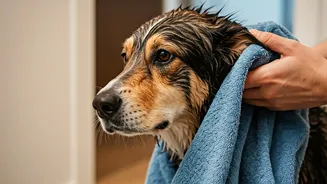
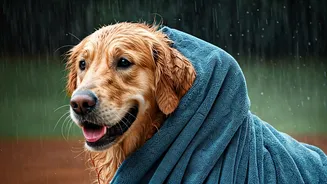
The most critical routine during the monsoon is what you do after a walk. Your pet's paws, underbelly, and coat will inevitably get wet and muddy. Trapped moisture is a breeding ground for fungal and bacterial infections. Keep a dedicated 'clean-up kit'
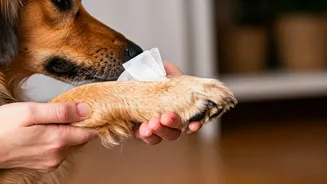
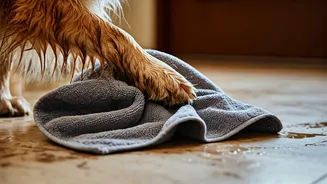
by the door with a highly absorbent microfibre towel, pet-safe wipes, and perhaps a paw sanitiser. Dry your pet thoroughly after every single walk, paying close attention to the sensitive gaps between their paw pads, under their belly, and in any skin folds. This simple five-minute ritual is your first line of defense against common monsoon skin issues.
2. Paw Care is Paramount
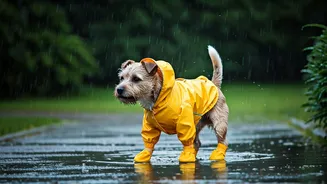
Your pet’s paws face the biggest challenge during the rains, coming into direct contact with muddy, contaminated water. Puddles can contain everything from bacteria like Leptospira to other harmful toxins. Beyond just wiping them dry, inspect paws daily for any cuts, redness, or irritation. Consider trimming the fur between their paw pads to prevent mud and moisture from getting trapped. A good quality paw balm can also help protect pads from cracking and irritation caused by constant wetness.
3. Upgrade Your Grooming Game
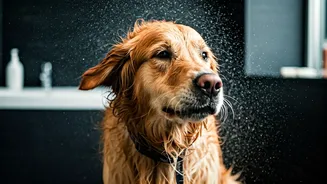
Humidity can wreak havoc on your pet’s coat, leading to that familiar 'wet dog smell,' which is a sign of bacterial build-up. While you should avoid over-bathing, which strips natural oils, regular brushing is non-negotiable. Brushing daily helps remove debris, prevents matting, and allows you to spot any skin issues or parasites early. This is also peak season for ticks and fleas, which thrive in damp conditions. Ensure your pet is on a vet-approved preventive regimen and perform regular checks, especially behind the ears and under the collar.
4. Get Creative with Indoor Fun
Rainy days often mean shorter walks and more time spent indoors, which can lead to boredom and restlessness. Mental stimulation is just as tiring for a pet as physical exercise. Engage their mind with puzzle feeders, snuffle mats, or a simple game of 'find the treat'. You can create DIY puzzle toys using old towels, egg cartons, or cardboard boxes. A short, indoor training session to practice commands or learn a new trick can also strengthen your bond and burn mental energy.
5. Watch Their Diet and Water
Digestive issues can spike during the monsoon, often due to pets drinking from contaminated puddles or changes in their activity levels. Always provide fresh, clean drinking water, and consider boiling it if you're concerned about contamination. Ensure their food and water bowls are cleaned daily, as humidity can accelerate bacterial growth. With reduced exercise, your pet may not need as many calories, so monitor their intake to prevent weight gain. A fibre-rich diet can help maintain good gut health.
6. Create a Calm and Dry Sanctuary
Pets need a warm, dry, and comfortable place to rest, especially during the rains. Ensure their bedding is always dry; wash it more frequently to prevent mould and mildew from developing in the damp air. Thunderstorms can also be a source of anxiety for many pets. If your pet is scared of loud noises, create a safe, quiet space for them away from windows. Playing some soft music or using calming aids can help reduce their stress.
7. Know the Warning Signs
Vigilance is key. Be aware of the signs of common monsoon-related illnesses. For skin issues, look for excessive scratching, redness, hair loss, or a foul odour. For gastrointestinal problems, symptoms include vomiting, diarrhoea, and loss of appetite. Lethargy and fever can be signs of more serious infections like tick fever or leptospirosis. If you notice any of these symptoms persisting, don't wait. It's always best to consult your veterinarian.