






What Is Smart Gardening, Really?
Forget complicated machinery and coding. At its heart, smart gardening is simply about using technology to make growing plants easier and more efficient. Think of it as having a helpful assistant for your garden. Instead of guessing when to water or whether
your plants are getting enough light, you use simple tools—sensors, automated systems, and special lights—to give your plants exactly what they need, when they need it. This approach removes the guesswork that often discourages beginners. It’s not about replacing the joy of getting your hands dirty; it’s about using tech to ensure your efforts lead to a flourishing garden, whether it’s a single pot of mint or a full balcony of vegetables.
Why the Sudden Resurgence?
Several factors are driving this green-tech trend in India. The pandemic reconnected many of us with our homes and hobbies, and gardening was a major beneficiary. Now, as life gets busy again, people want to keep their green spaces alive without the constant stress. Furthermore, there's a growing desire for fresh, pesticide-free food. The ability to grow your own herbs, chillies, or tomatoes is incredibly appealing. Technology has also become more affordable and user-friendly. What was once niche is now accessible through e-commerce platforms, with many Indian startups offering localised solutions for urban apartments. It’s the perfect storm of wellness trends, food consciousness, and accessible tech.
The Big Wins for Urban Gardeners
For anyone living in a bustling Indian city, the benefits are immediate and practical. The biggest is water conservation. Smart irrigation systems, like drip waterers on a timer, use up to 70% less water than traditional watering cans by delivering moisture directly to the roots. This is a game-changer in cities with water shortages. Second is efficiency. Soil sensors can send an alert to your phone when your tulsi plant is thirsty, so you water it perfectly every time, preventing both under-watering and root rot. For those in apartments with limited sunlight, LED grow lights can provide the ideal light spectrum for plants to thrive. It’s about getting better results with less effort and fewer resources.
The Key Tech to Know
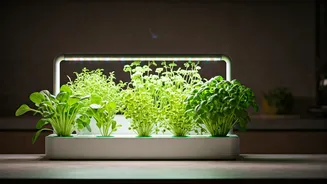
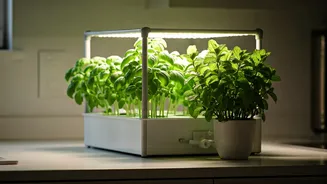
Getting started doesn’t mean buying everything at once. The core technologies are quite simple. First, there are soil moisture sensors. These are small probes you stick into the soil that measure water levels and sometimes pH and nutrient content. Many connect to a simple app. Second is automated irrigation. This can be as basic as a battery-powered timer attached to your tap and a network of drip tubes, or as straightforward as a self-watering pot with a built-in reservoir. Third, for indoor or low-light spaces, are LED grow lights. These are designed to mimic sunlight and are far more energy-efficient than older bulbs. Many come in compact designs perfect for a kitchen counter or a small shelf.
Your First Smart Gardening Steps
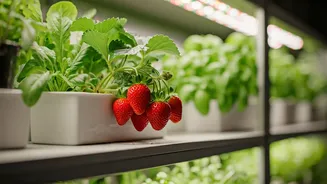
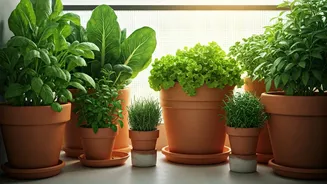
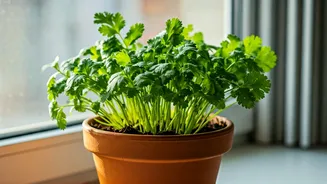
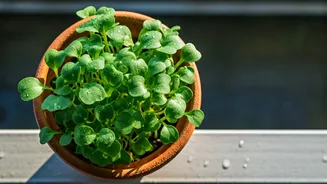
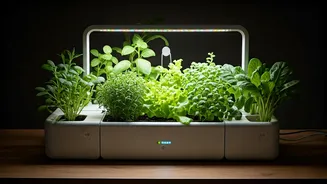
Diving in is easier than you think. Don’t feel pressured to build a complex hydroponic system overnight. Start small. A great first step is a self-watering planter. They are widely available, affordable, and take the daily watering chore off your plate. Try growing something simple and rewarding, like mint (pudina), coriander (dhania), or basil. Another easy entry point is a simple tap timer. For a few thousand rupees, you can automate the watering for all your balcony pots, ensuring they stay hydrated even when you're busy or travelling. Once you see the benefits firsthand, you can explore more advanced tools like soil sensors or a small countertop hydroponic kit for growing lettuce or herbs indoors.