




The Personal Grab-and-Go Kit
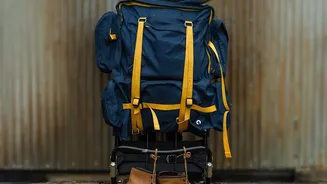
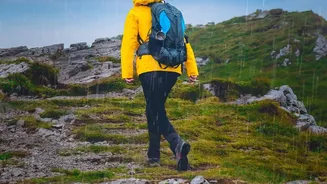
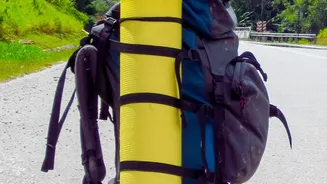
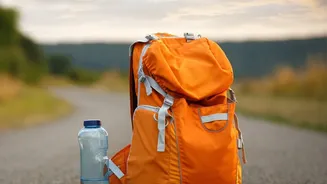
This is your core kit, containing essentials to keep you safe and comfortable if you are stranded or need to make a quick exit. Start with a waterproof backpack or a bag with a reliable rain cover. Inside, pack a lightweight but sturdy poncho or raincoat,
which offers better protection than an umbrella in windy conditions. Add a complete change of clothes, prioritising synthetic, quick-drying fabrics over cotton or denim, which stay wet for hours. Pack an extra pair of socks to keep your feet dry and prevent fungal infections. A powerful, fully charged power bank is non-negotiable for keeping your phone active for communication and navigation. Also include some high-energy, non-perishable snacks like protein bars or nuts and a reusable water bottle. Finally, a small torch or headlamp can be invaluable during power cuts or if you're stuck after dark.
Vehicle-Specific Essentials for Road Trips
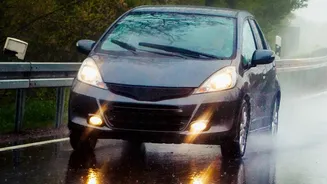
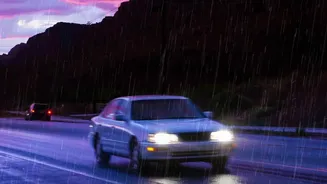
If you are travelling by car, your vehicle itself is your primary shelter, but it needs its own emergency kit. Poor visibility is a major monsoon hazard. Ensure your wiper blades are in good condition and consider using a rain-repellent treatment on your windshield. A portable tyre inflator and a puncture repair kit can be lifesavers on isolated roads. Your kit should also include a basic tool kit, jumper cables, and a tow rope. For safety, a reflective warning triangle and a high-visibility vest are crucial if you have to stop on the roadside. Inside the cabin, keep all-weather rubber mats to prevent slipping on pedals with wet shoes. Lastly, never leave without a well-stocked first-aid kit and extra drinking water.
First-Aid and Health Supplies
Monsoon brings a higher risk of waterborne diseases and infections. Your medical kit should be tailored for these conditions. Start with a basic first-aid kit containing adhesive bandages, sterile gauze, antiseptic solution, and tape for minor cuts and scrapes. Include pain relievers, motion sickness tablets, and any personal prescription medications with a supply for a few extra days. Crucially for the monsoon, add oral rehydration salts (ORS) sachets to combat dehydration from humidity or stomach ailments. A good insect repellent is essential, as the rainy season sees a spike in mosquito populations. Also consider packing antifungal powder or cream, as damp conditions can lead to skin infections. Finally, hand sanitiser and antiseptic wipes are vital for maintaining hygiene when clean water isn't readily available.
Digital Preparedness and Important Documents
In an emergency, your most important assets might be digital. Before you leave, download offline maps of your route and destination, as mobile network connectivity can be unreliable during heavy rains. Save emergency contacts—including local authorities and roadside assistance—in your phone and also on a physical, waterproof card. Government agencies like the NDMA often issue advisories, so having apps like Damini or Sachet can provide real-time weather and lightning alerts. Protect your physical documents by storing copies of your Aadhaar card, driver's licence, vehicle registration, and travel bookings in waterproof ziplock bags or a dedicated waterproof pouch. It's also wise to have digital copies saved on your phone and in a cloud service. Having some extra cash is also recommended, as ATMs and digital payment systems can fail during power outages.