







A refreshing swim is one of summer’s greatest joys, but for those with coloured hair, it can come with a fear of faded, dry, or brassy locks. The combination of pool chemicals, salt, and sun is a formidable foe for vibrant colour.
The Enemies of Your Hair Colour
To understand the solution,
it helps to know the problem. Your colour-treated hair faces a triple threat during summer: chlorine, salt, and UV radiation. Colour-treated hair is more porous than virgin hair, meaning it more readily absorbs chemicals and loses pigment. Chlorine, a powerful oxidiser found in pools, strips your hair of its natural oils, leaving it dry and brittle. It can also react with metals in the water, which is what can give blonde hair a dreaded greenish tint. Saltwater is similarly harsh, drawing moisture out and leaving strands rough and dehydrated. Then there’s the sun. UV rays act like a natural bleach, breaking down the artificial pigments in your dye and the natural proteins in your hair, leading to significant fading, brassiness, and brittleness. A study even found that chlorine combined with UV radiation dramatically accelerates hair damage.
Start Protection Before You Swim
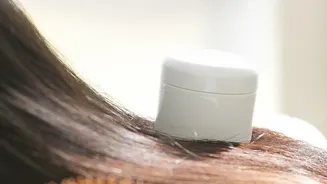
The single most effective and simple step you can take happens before you even touch the pool. Thoroughly rinse your hair with clean, fresh water. Hair acts like a sponge; if it’s already saturated with clean water, it can't absorb as much of the damaging chlorinated or salty water. For an added layer of defence, work a leave-in conditioner or a natural oil like coconut or argan oil through your damp hair. This creates a physical barrier on the hair shaft, further blocking chemicals from penetrating the cuticle and locking in moisture. Think of it as priming a wall before you paint; you're creating a sealed surface.
The Critical Post-Swim Rinse
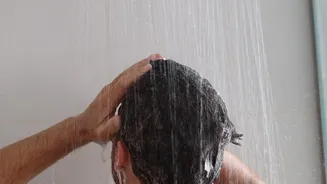
This brings us to the headline act: rinsing your hair immediately after you get out of the water. This is a non-negotiable step for preserving your colour. The longer that chlorine and salt sit on your hair, the more damage they do. A prompt rinse with fresh water washes these corrosive residues away before they have time to dry and fully penetrate the hair shaft. To be clear, this rinse does not provide sun protection in itself. Instead, it removes the chemical aggressors that make your hair weak, porous, and far more susceptible to damage from the sun's UV rays. One expert notes that letting these residues dry can act like a 'magnifying glass', intensifying sun damage. So, while not a sunscreen, the post-swim rinse is a critical part of your overall sun protection strategy.
Cleanse and Deeply Condition
While an immediate rinse is great, a proper shampoo is often necessary to fully remove all chemical buildup. For frequent swimmers, using a special chlorine-removal shampoo or a gentle clarifying shampoo once or twice a week is a wise move. However, be mindful that clarifying shampoos can be drying, so don't overdo it. The most important follow-up step is conditioning. Chlorine and salt strip moisture, so you need to put it back. After every swim and wash, use a hydrating conditioner. At least once a week, treat your hair to a deep conditioning mask to restore moisture, repair the cuticle, and keep your strands looking shiny and healthy.
True Sun Protection for Your Strands
Since rinsing alone doesn't block the sun, you need to add specific UV protection to your routine. The most effective method is creating a physical barrier. A wide-brimmed hat or a chic scarf provides excellent protection for both your hair and scalp from direct sunlight. For times when a hat isn't practical, look for hair products specifically formulated with UV filters. These come as leavein sprays, mists, or creams and act like sunscreen for your hair, shielding it from the colourfading and damaging effects of UV radiation. Applying one of these products before you head out into the sun provides a crucial layer of defence that rinsing can't offer.