




The New Balinese Dream
For decades, the idea of a Bali escape was tied to sprawling resorts or traditional villas. Today, a new dream is taking shape, one that is more intimate, sustainable, and deeply personal. Discerning travellers and investors are moving away from the mainstream
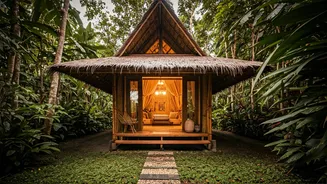
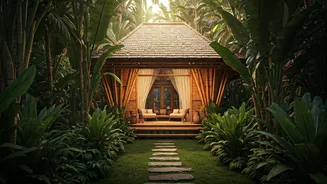
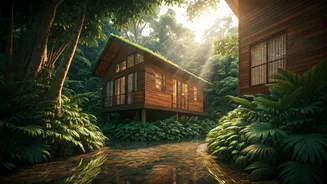
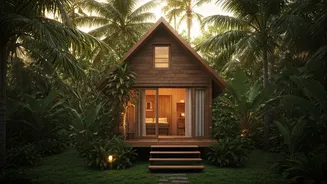
and towards creating their own private sanctuaries. These aren't just holiday homes; they are expressions of a lifestyle centred on tranquillity, nature, and conscious living. The focus is shifting from passive stays to active creation, where you partner with local artisans and architects to build a space that truly reflects your vision of paradise. This trend taps into a desire for authenticity and a deeper connection to the environment, resulting in unique structures that feel both luxurious and grounded.
What 'Off-Grid' Means in Paradise
The term 'off-grid' might conjure images of rustic survival, but in the context of modern Balinese cabins, it signifies sophisticated self-sufficiency. It’s about leveraging technology to live harmoniously with nature. This typically involves installing solar panel systems for clean electricity, effectively removing reliance on the public grid. Water independence is often achieved through advanced rainwater harvesting and filtration systems, providing pure drinking water. Waste management is also a key component, with many designs incorporating eco-friendly septic systems that treat wastewater on-site. The goal isn’t to disconnect from comfort, but to disconnect from unsustainable infrastructure, offering a guilt-free luxury experience powered by the sun and rain.
Finding the Right Design Partner
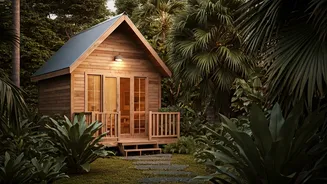
The journey from dream to reality hinges on finding the right creative partner. Bali is home to a vibrant community of architects and builders who specialize in sustainable and tropical design. When searching for a firm, look for portfolios that showcase experience with reclaimed timber and off-grid systems. Key terms to search for include 'prefabricated cabins,' 'biophilic design,' and 'sustainable architecture in Bali.' An ideal partner will not just be a builder but a collaborator. They should listen to your vision for a 'romantic' space and translate it into architectural form, guiding you through material selection, site placement to maximize views and airflow, and navigating local building regulations. Many firms now offer a seamless 'co-create' process, involving you in key decisions from the initial sketch to the final touches.
The Co-Creation Process Explained
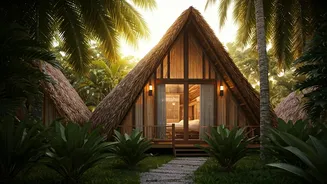
Co-creating your cabin is an immersive and rewarding process. It typically begins with a deep dive into your lifestyle and aesthetic preferences. Do you envision an open-plan space that blurs the line between indoors and outdoors? A cosy nook with a fireplace for cooler evenings? Once the concept is clear, the next step is site selection, which is crucial for an off-grid property. Your architect will help you assess land for sun exposure (for solar), potential for water collection, and of course, the view. From there, you'll move into detailed design, choosing everything from the type of wood to the style of windows and the layout of the deck. Many modern builders use prefabricated elements, which are constructed off-site to ensure quality and minimise environmental impact during assembly, making the build process surprisingly efficient.
Designing for Romance and Connection
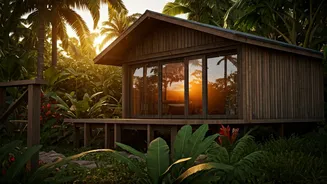
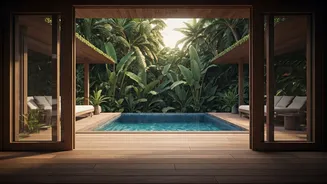
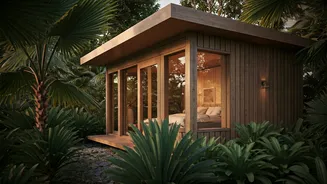
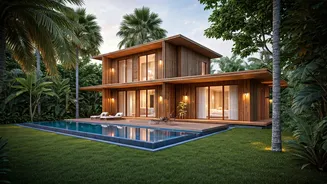
The 'romantic' element of these cabins is crafted through thoughtful design choices that encourage connection and serenity. It’s about more than just a beautiful view. Architects achieve this atmosphere with features like floor-to-ceiling glass walls that frame the jungle or rice paddies, creating a feeling of being enveloped by nature. Private plunge pools or outdoor bathtubs are almost a standard feature, offering a luxurious way to cool off. Inside, the focus is on natural materials, warm lighting, and an uncluttered layout that allows for peace and relaxation. Features like a suspended hammock on a veranda, a two-person rain shower, or a perfectly placed window seat for watching the sunset all contribute to creating a space that feels like a true escape for two.