
The Ancient Wisdom of Ollas
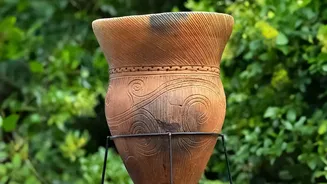
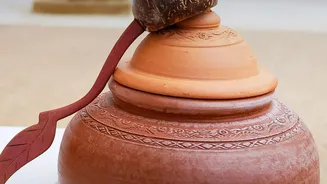
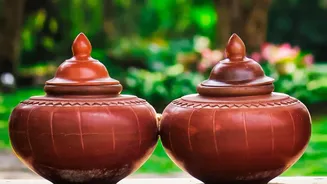
First, what exactly is an olla? Pronounced 'oy-yah,' it's an unglazed, porous terracotta pot that has been used for irrigation for thousands of years, with evidence of its use stretching from ancient China to North Africa. The concept is simple: you bury
the pot in the soil, leaving only its neck exposed, and fill it with water. Its history is a testament to its effectiveness—a low-tech solution that has stood the test of time, now finding a new purpose in modern urban settings like balconies and rooftop gardens.
The Simple Science of Seepage
The magic of the olla lies in its porous clay walls. Water doesn’t just pour out; it seeps slowly into the surrounding soil. This process is driven by soil moisture tension. Think of it as an on-demand watering system. When the soil is dry, it effectively 'pulls' water out of the olla. When the soil is already moist after a rain, the water stays inside the pot. This self-regulating mechanism ensures that plants get a consistent supply of moisture right at their roots, without the risk of overwatering or the soil becoming waterlogged.
Solving the Humid Dry Spell Paradox
A 'humid dry spell' sounds like a contradiction, but it's a common challenge for container gardeners. While the air might feel sticky, the soil in a pot—especially on a windy balcony—can dry out with surprising speed. Surface watering in these conditions can be inefficient due to evaporation and can also promote fungal diseases on leaves that stay damp in the humid air. Ollas bypass this problem entirely. By delivering water below the surface, they minimise evaporation and keep foliage dry. The soil surface remains relatively dry, which has the added benefit of suppressing weed growth. This makes them the perfect tool for keeping plants hydrated and healthy when the weather is at its most confusing.
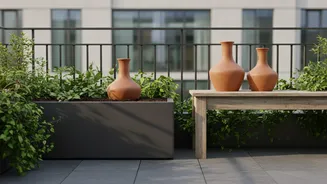
Why Ollas Excel on the Balcony
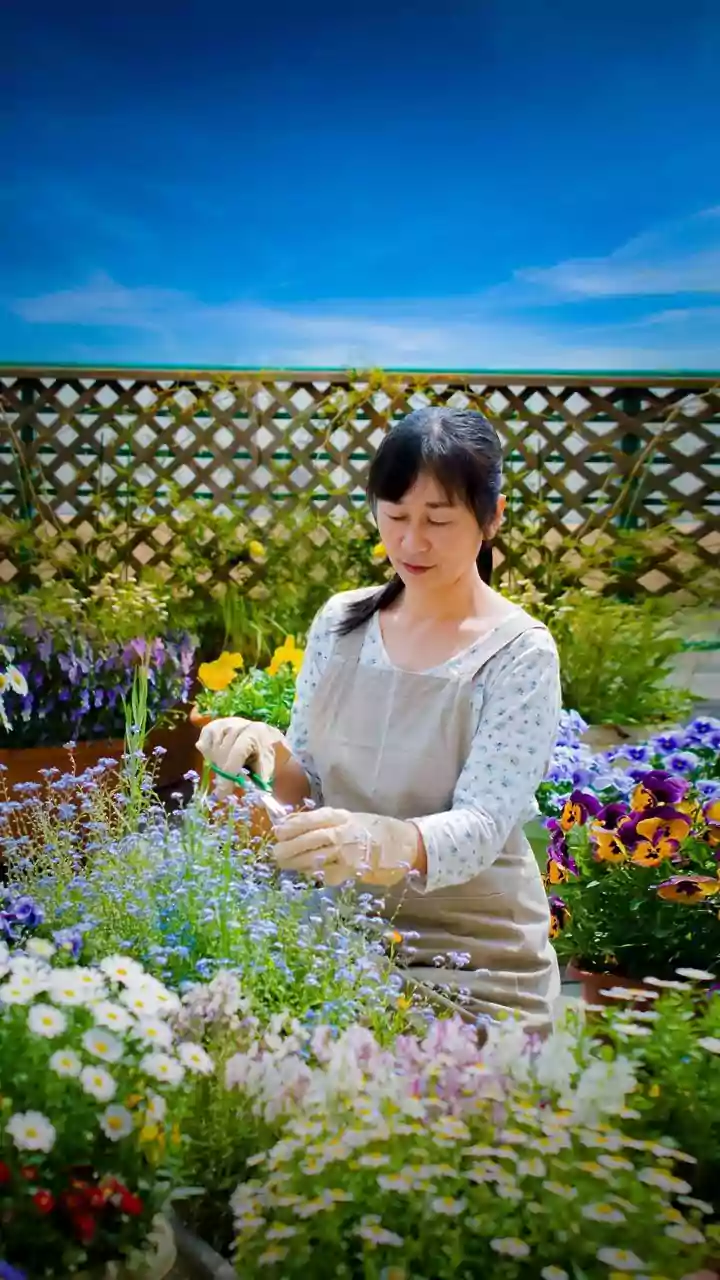
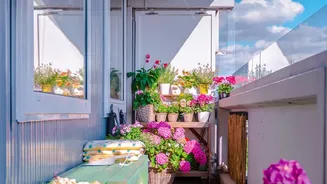
Container gardens dry out much faster than garden beds, making them high-maintenance. An olla transforms them into a low-effort oasis. For city dwellers, this means less time spent with a watering can and more peace of mind, especially during short trips away. They are a game-changer for water conservation, potentially reducing water use by 50-70% or more compared to surface watering. This underground watering also encourages plants to develop deeper, stronger root systems as they grow towards the consistent water source, making them more resilient overall. A dense mat of roots will often form around the olla, showing just how effectively the system works.
Your Guide to Getting Started
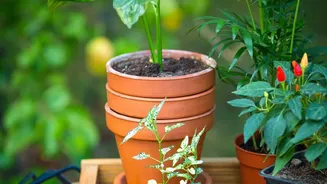
Using an olla on your balcony is straightforward. For pots and containers, choose an olla size that is proportionate to your planter. A small olla is fine for a 12-16 inch pot, but you'll want a larger one for a big trough or half-barrel. To install, simply dig a hole in the centre of your planter, place the olla inside so its neck is level with or just above the soil line, and plant your flowers, herbs, or vegetables around it. Pack the soil gently around the pot to ensure good contact. Fill the olla with water and place its lid on top to prevent evaporation and keep mosquitoes out. You’ll need to refill it every few days to a week, depending on the weather and the thirst of your plants.