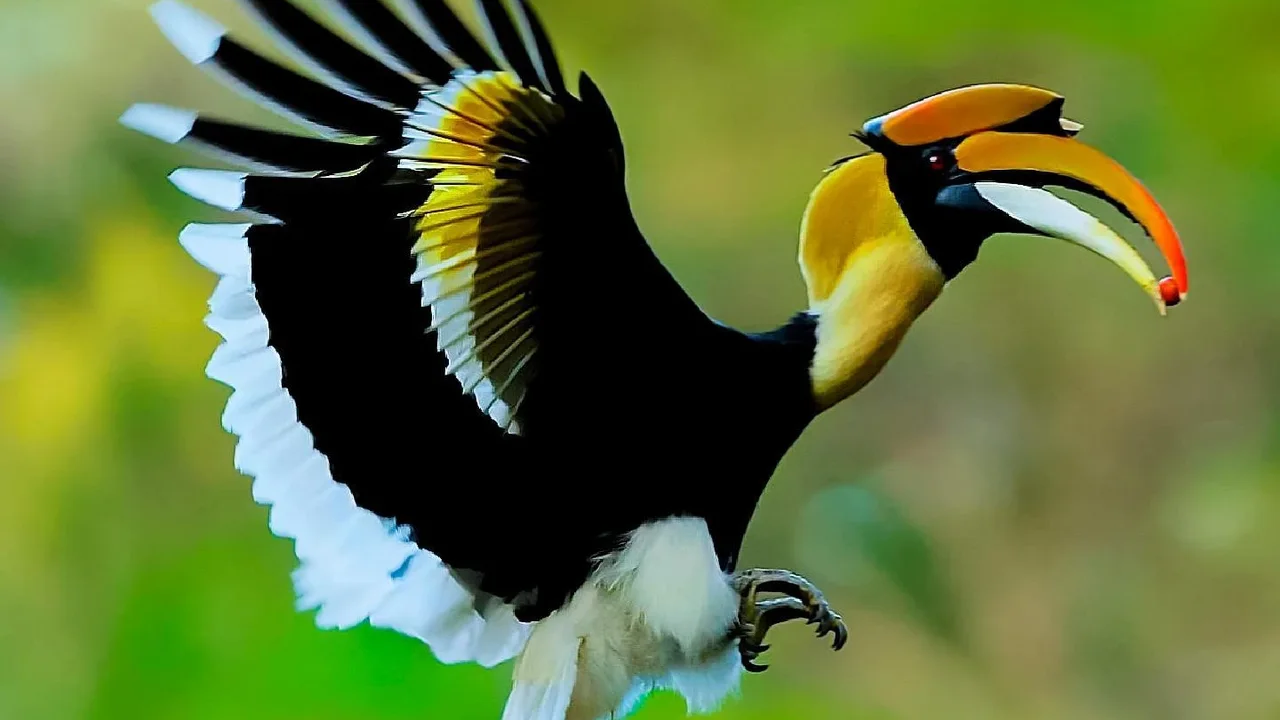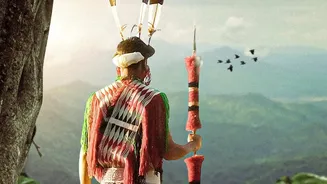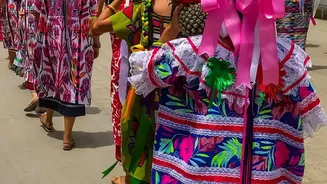






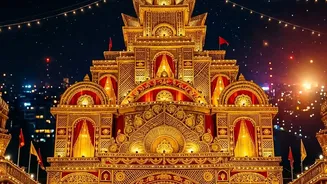
Every December, the hills of Nagaland come alive with the Hornbill Festival, a vibrant celebration of tribal culture. But the true spirit of this land lies beyond the main festival grounds. This guide helps you explore it.
First, The Essentials: Permits and Dates
Before you plan any excursions,
get the logistics right. The Hornbill Festival is consistently held from December 1 to 10 each year, and the 2026 edition will follow this schedule at the Naga Heritage Village in Kisama, about 12 km from Kohima. All visitors from outside the state, whether Indian citizens or foreign nationals, require an Inner Line Permit (ILP). This is a mandatory travel document that must be secured in advance. The process is now entirely online via the official government portal, ilp.nagaland.gov.in. For domestic tourists, a 30-day permit typically costs ₹200. It is crucial to apply for your ILP before booking flights or accommodation, as you will be denied entry without it.
Beyond Kisama, The Green Village
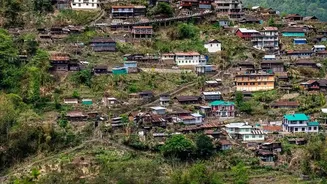
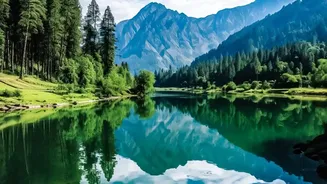
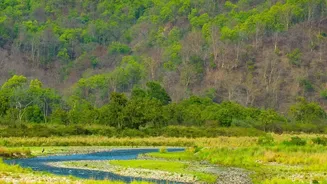
While the main festival at Kisama is a spectacle of dance, music, and craft, a deeper cultural immersion awaits just 20 km away in Khonoma. Known as India's first green village, Khonoma is a testament to community-led conservation, where the Angami tribe chose to ban hunting and protect its forests. A day trip allows you to walk through its historic stone gateways and explore the stunning terraced rice fields carved into the hillsides. For a richer experience, book an overnight stay in a local homestay. This allows you to experience Angami hospitality, enjoy hearth-cooked meals, and walk the quiet terraces in the magical early morning light. Hiring a local guide is highly recommended to understand the village's history of resistance and its unique conservation story.
For the Adventurous: The Dzukou Valley Trek
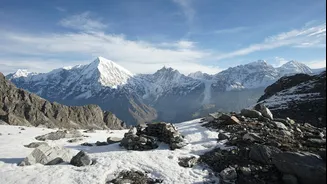
If you want to combine cultural festivities with natural beauty, the Dzukou Valley trek is an unmissable adventure. Straddling the border of Nagaland and Manipur, this valley is famous for its vast, rolling meadows that look like a sculpted green carpet. While the famous Dzukou lily blooms in the monsoon, a December trek offers a different kind of magic: crisp, clear skies and a landscape of golden-brown grasses shimmering with frost. The trek is considered moderate, suitable for those with a decent level of fitness. The most common routes start from the villages of Viswema or Jakhama, both near Kohima. Though the nights are freezing, camping overnight in the valley offers an unforgettable experience under a canopy of brilliant stars.
Kohima After Dark: The Night Bazaar
Many visitors believe the festival ends when the sun sets over Kisama. They are mistaken. Every evening, the heart of Kohima town transforms into a vibrant Night Bazaar, a stark contrast to the organised daytime events. The main streets come alive with glowing lights, music, and a happy throng of locals and tourists. This is the social heart of the festival after dark, and arguably the best place to sample authentic Naga street food. Stalls line the streets, serving everything from smoky grilled pork and local sausages to a variety of chutneys and delicacies you won't find in restaurants. It's a loud, joyful, and unpolished celebration that runs late into the night.
Moments of Reflection : The Kohima War Cemetery
Amidst the festive cheer , take a moment for quiet reflection at the Kohima War Cemetery . This immaculately maintained memorial honours the soldiers of the Commonwealth forces who lost their lives in the brutal Battle of Kohima during World War II . The site is a poignant and powerful reminder of Nagaland 's place in world history . Its famous epitaph , ' When You Go Home , Tell Them Of Us And Say , For Your Tomorrow , We Gave Our Today ' , is deeply moving . Located within Kohima town , it ’ s an easily accessible stop that provides crucial historical context to your visit . A visit here offers a peaceful counterpoint to the high energy of the festival .