







Understanding the Impact on Your Eyes
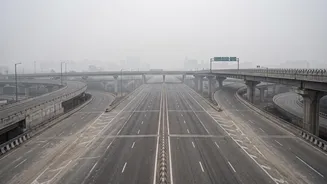
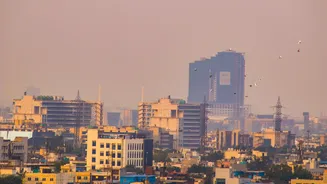
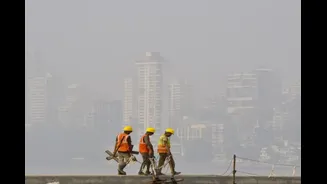
The air in Delhi is currently a cocktail of fine particulate matter (PM2.5 and PM10), nitrogen oxides, and other harmful chemicals. When these microscopic particles come into contact with your eyes, they disrupt the natural tear film that acts as a protective
shield. This direct exposure can lead to a host of uncomfortable symptoms, including redness, itching, a burning or stinging sensation, excessive watering, and a gritty feeling, as if sand is in your eye. For many, this irritation is temporary, but for those with pre-existing conditions like dry eye or allergies, and for contact lens wearers, the smog can significantly worsen symptoms. Over time, prolonged exposure may even be linked to more serious conditions.
Wear Protective Eyewear
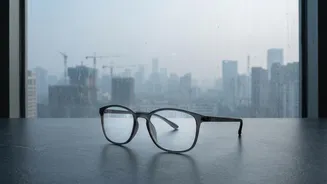
One of the simplest and most effective strategies is to create a physical barrier. When you step outside, especially during peak pollution hours or in high-traffic areas, wear well-fitting sunglasses or even clear protective glasses. Wraparound styles are particularly effective as they block airborne particles and irritants from the front and sides. This simple habit not BAonly shields your eyes from dust and pollutants but also provides crucial protection from UV rays, which can be present even on hazy, overcast days. Think of it as a mask for your eyes.
Practise Smart Eye Hygiene
The urge to rub itchy, irritated eyes is almost reflexive, but it's one of the worst things you can do. Your hands accumulate pollutants throughout the day, and rubbing them into your eyes can transfer these irritants directly, increasing the risk of inflammation and infection. Instead, make a conscious effort to wash your hands frequently. If your eyes feel uncomfortable, gently wash your face and eyelids with clean water. A cold compress or a clean washcloth soaked in cool water placed over closed eyes for a few minutes can also provide significant relief from burning and swelling.
Use Lubricating Eye Drops Wisely
Artificial tears or lubricating eye drops can be a great help during pollution season. They work by supplementing your natural tears, helping to flush out debris, moisturize the eye's surface, and relieve dryness and irritation. Opt for preservative-free formulas if you plan to use them regularly, as these are gentler for frequent application. However, it's important to distinguish these from 'redness-relief' drops, which can sometimes cause rebound redness or mask underlying issues if overused. It's always best to consult an ophthalmologist before starting any new eye drops to ensure they are right for you.
Limit Exposure and Purify Indoor Air
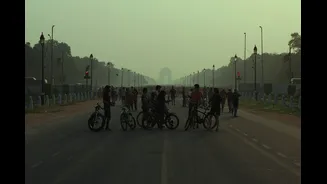
Whenever possible, try to limit your time outdoors on days when the Air Quality Index (AQI) is high. Official data shows Delhi's AQI has recently entered the 'poor' category, prompting authorities to invoke Stage 1 of the Graded Response Action Plan (GRAP). You can check real-time AQI levels on various apps and websites. Since you can't stay inside forever, focus on maintaining cleaner air at home. Keep windows and doors closed, especially during early mornings and evenings when pollution levels often peak. Using a HEPA air purifier can significantly reduce the concentration of indoor particulate matter, giving your eyes a much-needed break.
Stay Hydrated and Mind Your Diet
Your body's overall health is directly linked to your eye health. Staying well-hydrated by drinking plenty of water throughout the day helps your body produce sufficient tears, which are essential for keeping eyes moist and clean. Additionally, a diet rich in Omega-3 fatty acids and antioxidants can support overall eye function. Foods like fish, walnuts, almonds, leafy green vegetables, and carrots are known to be beneficial for vision and ocular health. While diet alone won't stop pollution-related irritation, it strengthens your body's ability to cope with environmental stressors.
A Note for Contact Lens Wearers
If you wear contact lenses, you need to be extra vigilant during periods of high pollution. Airborne particles can get trapped under the lens, causing significant irritation, redness, and increasing the risk of infection. Consider reducing the amount of time you wear your lenses on high-pollution days, or switch to wearing glasses instead. If you must wear contacts, adhere strictly to hygiene protocols—always wash your hands before handling them and ensure they are properly cleaned and stored. If you experience any pain or persistent discomfort, remove the lenses immediately and consult your eye doctor.