






Why the Rush? The Reality of Monsoon Delays
The magic of the monsoon—dramatic grey skies, swollen waterfalls, and vibrant greenery—comes with a practical price. Heavy rainfall, thunderstorms, and low visibility are the primary culprits behind travel disruptions. For air travellers, this can mean
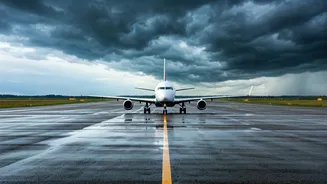
flights being delayed, diverted, or held in circling patterns as storms pass. [21] Airports in coastal regions like Mumbai, Goa, and Kolkata are particularly susceptible to operational challenges, from waterlogged runways to cascading delays that push back schedules by hours. [15, 23] On the ground, the situation is just as fluid. Road travel, especially in hilly regions like the Himalayas and the Western Ghats, is frequently hampered by landslides and localised flooding that can shut down key routes for days. [14, 18, 20] Even in major cities like Mumbai, waterlogging can bring traffic to a standstill, turning a simple airport transfer into a multi-hour ordeal. [22] Trains may run at reduced speeds on flooded tracks, leading to significant delays across the network. [4] Accepting this reality is the first step toward a successful monsoon trip.
For Air Travellers: Your Buffer is Your Best Friend
The single most effective strategy for navigating airports during the monsoon is to fly early. Thunderstorms and heavy showers tend to build in the afternoon and evening, so morning flights (before 10 AM) are statistically less likely to be delayed. [15] When booking, opt for direct flights where possible to eliminate the risk of missing a connection. If a layover is unavoidable, build in a generous buffer of at least three to four hours, especially if connecting through a high-risk airport like Mumbai. [4, 23] Before leaving for the airport, check the weather forecast not just for your destination but also for your departure and layover cities. [4] Keep your airline's app installed for real-time updates, as these often arrive faster than airport display boards. [21] And remember to pack essentials like medications, a change of clothes, and a power bank in your carry-on, just in case you and your checked baggage are temporarily separated due to delays or diversions. [24]
On the Road: Safety and Patience Are Key
A monsoon road trip can be incredibly scenic, but it demands caution. Before you even start the engine, ensure your vehicle is rain-ready. This means checking your tyres for adequate tread depth, testing your brakes, and making sure your wiper blades are in good condition. [2, 9, 13] Visibility is a major challenge, so always drive with your low-beam headlights on. [6, 9] Reduce your speed significantly on wet roads and increase the following distance between you and the vehicle ahead, as braking distances are longer. [6, 9] One of the biggest dangers is hydroplaning, where a layer of water builds up between your tyres and the road, causing you to lose control. [8] To avoid this, slow down, especially when there's standing water. [8] Never attempt to drive through deep, waterlogged streets, as they can conceal potholes and other hazards, and stalling in deep water can cause permanent engine damage. [8, 9] It’s also wise to keep your fuel tank topped up, as you may get stuck in long traffic jams caused by rain. [2, 6]
Packing Smart for a Damp Holiday
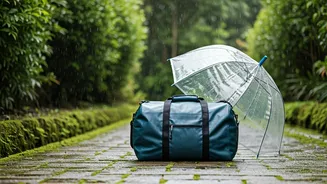
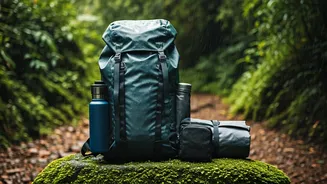
Monsoon packing is a science of staying dry and comfortable. Prioritise clothing made from quick-drying synthetic fabrics like polyester and nylon; they are lightweight and will dry overnight in a humid hotel room, unlike heavy cotton or denim. [3, 11] Darker colours are a practical choice as they are more forgiving with mud and puddle splashes. [3] A high-quality, lightweight waterproof jacket or poncho is non-negotiable. [5, 10] Footwear is critical: opt for waterproof sandals with good grip or quick-drying sneakers. [3, 7] Flip-flops can be slippery and are best left for indoor use. [3] Protect your electronics by using waterproof backpack covers and keeping items like your phone, passport, and chargers in ziplock bags or dedicated dry bags. [4, 11] Finally, since the monsoon brings an increase in mosquitoes, a reliable insect repellent is an essential addition to your bag. [7, 14]