


The Problem With Certain Sugars
Many of our beloved staples, particularly legumes (like dals) and grains, contain complex sugars known as oligosaccharides. The most common types, called raffinose and stachyose, can be difficult for the human body to process. Our digestive systems lack
the specific enzyme, alpha-galactosidase, needed to properly break down these sugars in the small intestine. As a result, they travel to the large intestine, where gut bacteria ferment them, producing gas that leads to the familiar discomforts of bloating, cramps, and flatulence.
Fermentation: Nature’s Digestive Aid
Fermentation is a natural process where beneficial microorganisms, like bacteria and yeast, break down complex molecules into simpler ones. In the context of food, these microbes essentially 'pre-digest' the ingredients for us. When a batter of rice and lentils is left to ferment, these helpful microorganisms get to work. They release enzymes that effectively dismantle the hard-to-digest oligosaccharides. This process not only neutralizes the gas-producing potential of these sugars but also transforms the entire nutritional profile of the food, making it much gentler on the stomach.
From Batter to Bliss: The Idli and Dosa Example
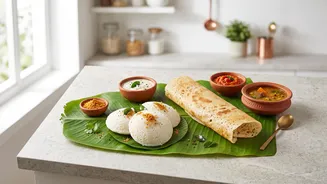
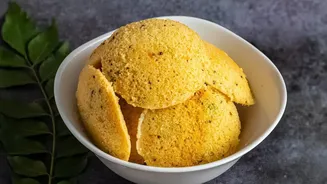
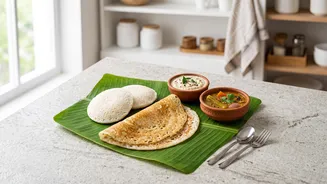
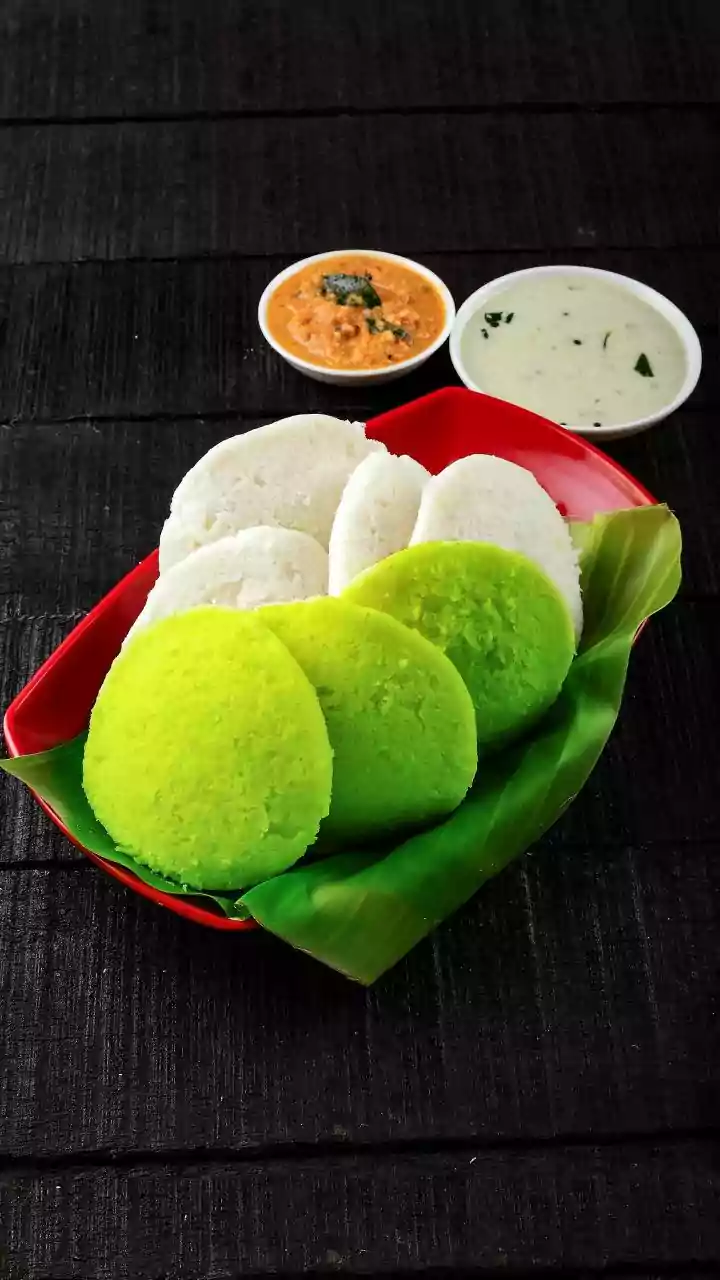
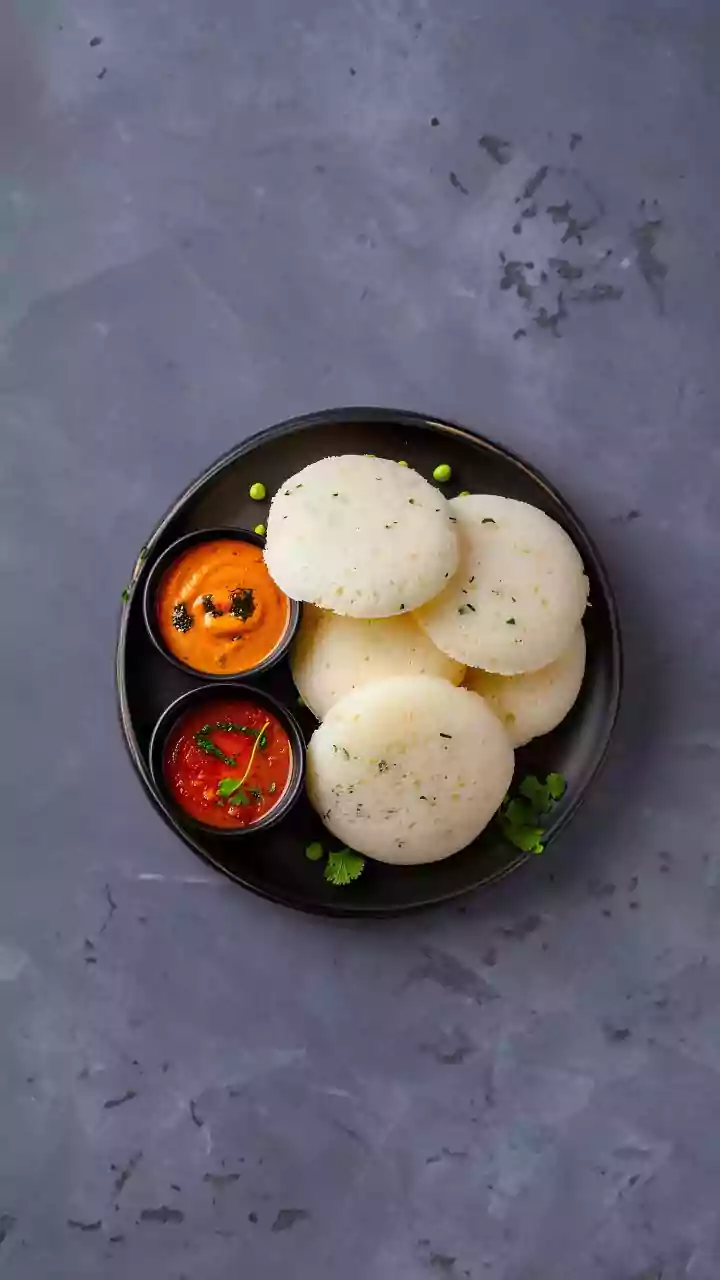
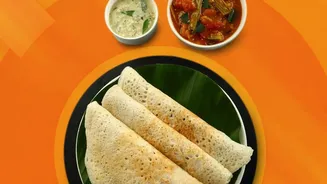
The classic South Indian idli and dosa are perfect examples of this science in action. The batter, a simple mix of ground rice and urad dal, is left to sit for several hours. During this time, lactic acid bacteria naturally present in the ingredients multiply. These microbes consume the carbohydrates, breaking down not only the complex sugars but also other compounds. This activity produces carbon dioxide, which creates the light, airy texture of idlis and the crispiness of dosas, and lactic acid, which imparts the characteristic tangy flavour and acts as a natural preservative.
Beyond the South: A Tour of Fermented India
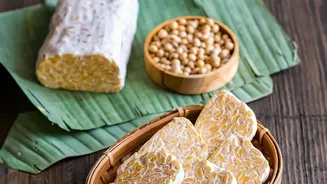
This culinary wisdom isn't confined to the south. Across India, various regional cuisines have mastered fermentation. In Gujarat, dhokla is made from a fermented batter of gram flour or rice and lentils. Punjab's tangy kanji is a probiotic drink made from fermented black carrots. In the East, Pakhala or Panta Bhat is fermented rice, known for being cooling and easy on the stomach. From the Himalayan regions, we have Gundruk (fermented leafy greens) and Sinki (fermented radish taproots), while Manipur offers Hawaijar (fermented soybeans). Each of these dishes uses fermentation to enhance digestibility and flavour.
More Than Just Sugar Breakdown
The benefits of fermenting staples go beyond just neutralizing complex sugars. Grains and legumes also contain 'anti_nutrients' like phytic acid and tannins, which can bind to minerals like iron, zinc, and calcium, preventing their absorption. The fermentation process significantly reduces these anti_nutrients, thereby increasing the bioavailability of these essential minerals. Furthermore, fermentation can even boost the content of certain vitamins, particularly B vitamins, making these foods more nutritious overall.