

Understanding the Weather Picture
The India Meteorological Department (IMD) has forecast an active monsoon phase around the Independence Day period. While the overall monsoon season from August to September may be slightly below normal, short-term forecasts predict intense rainfall in various
parts of the country. Heavy to very heavy rainfall is expected in regions across Northeast, East, and South India, including states like Kerala, Karnataka, West Bengal, and Odisha. Meanwhile, Northwest India, including Himachal Pradesh and Uttarakhand, is also expected to see widespread showers. This doesn't mean you must cancel your trip, but it does mean you need to be aware of the conditions at your chosen destination. Checking daily weather updates from a reliable source is the first and most crucial step in your planning process.
Choose Your Destination Wisely
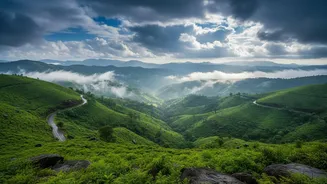
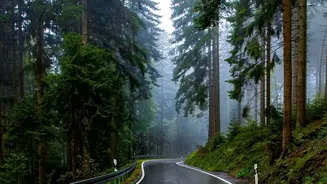
Given the weather, this is the year to favour accessibility and safety over remote, adventurous spots. Hill stations like those in Uttarakhand and Himachal Pradesh are beautiful in the monsoon but come with a higher risk of landslides and road blockages during heavy rain. Consider lower-altitude destinations or cities known for their indoor attractions like museums, galleries, and vibrant food scenes. Places like Jaipur, Udaipur, or even a luxury resort in a city like Agra or Rishikesh can offer a fantastic experience. A destination closer to home can also be a smart choice, reducing travel time and the chances of getting stranded. If you have your heart set on the hills, pick a well-connected town like Bhimtal or Landour over a high-altitude, remote village.
Embrace Flexible Bookings and Technology
Flexibility is your best friend when planning a monsoon trip. When booking flights, trains, and hotels, look for options that allow for last-minute changes or cancellations with a minimal penalty. Many booking platforms now offer 'flex' fares or refundable rates for a small premium; this year, that extra cost is a wise investment. Travel insurance that covers trip disruptions due to weather is also worth considering. On the road, technology is your co-pilot. Use real-time traffic apps to monitor road conditions and check for waterlogging or diversions. Have weather apps handy to track the rain, and download offline maps for your destination in case you lose connectivity.
Pack Smart for Monsoon Travel
What you pack can make or break a rainy-day trip. Leave the heavy jeans and cotton shirts at home; they take forever to dry. Instead, opt for lightweight, quick-drying synthetic fabrics. A reliable raincoat or poncho and a sturdy umbrella are non-negotiable. Footwear is critical; pack waterproof sandals or shoes with a strong grip to navigate slippery surfaces. Protect your electronics by carrying them in waterproof bags or ziplock pouches. A power bank is essential, as power cuts can be more frequent during heavy storms. Finally, a basic first-aid kit with medicines for common ailments like colds and stomach bugs is always a good idea, along with a strong insect repellent.
The Art of the Staycation
If the thought of navigating travel delays and rain-soaked plans sounds stressful, consider the often-underestimated staycation. A holiday doesn't always require a packed suitcase. Use the long weekend to explore your own city like a tourist. Visit that new cafe, book a luxurious hotel room for a night, or explore a neighbourhood you rarely visit. You can also plan a special celebration at home, ordering in a gourmet meal and enjoying movies or board games with family. A staycation eliminates travel stress, saves money, and gives you the one thing a holiday is supposed to provide: a genuine, relaxing break from routine.
Prioritise Safety Above All Else
No trip is worth risking your safety. If you are driving, ensure your car's tyres, wipers, and brakes are in excellent condition. Avoid driving at night on unfamiliar or hilly roads. Never attempt to drive through heavily waterlogged streets. When it comes to food, be extra cautious. The risk of water-borne diseases increases during the monsoon, so stick to bottled or filtered water and eat at clean, reputable establishments. Avoid street food unless you are confident about its hygiene. If local authorities issue a weather warning or advise against travel to a certain area, heed their advice. The mountains and beaches will still be there for your next trip.