
A Sharper Picture of a Frozen Resource
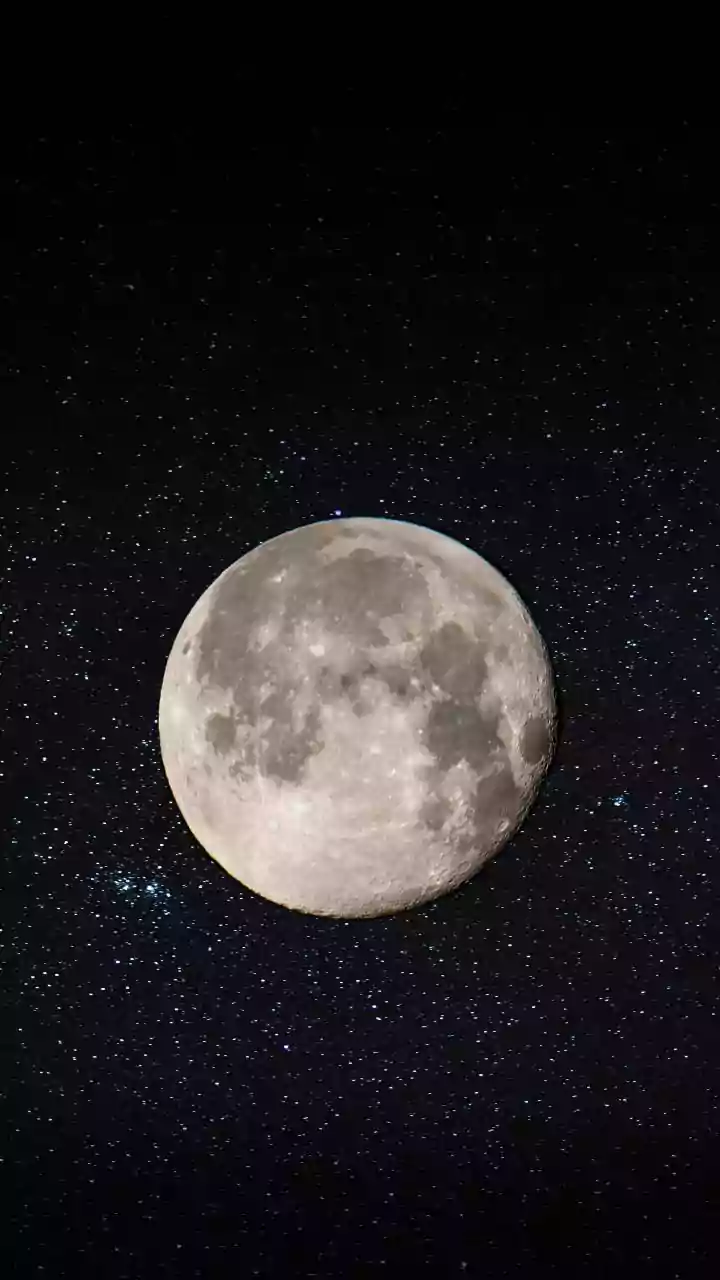
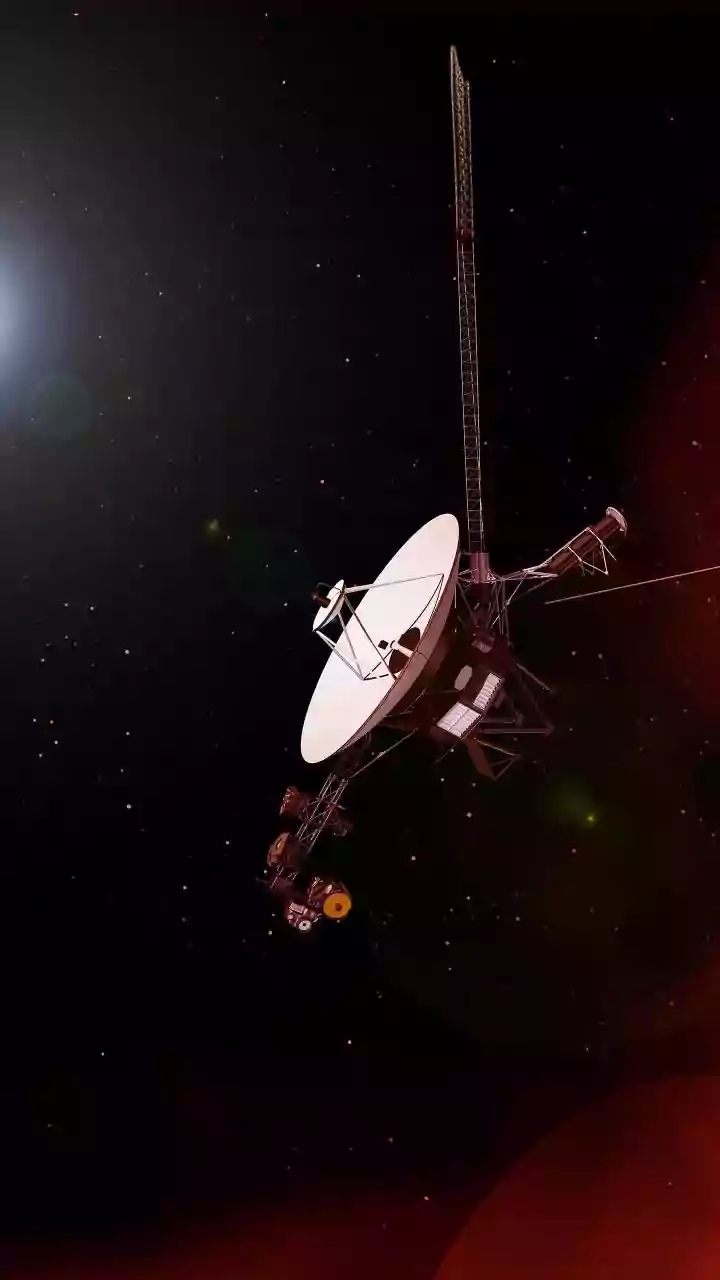
For decades, scientists have theorized about water on the Moon, a concept that has shifted from speculation to confirmed fact thanks to missions like India's Chandrayaan-1 and NASA's Lunar Reconnaissance Orbiter (LRO). These missions revealed evidence
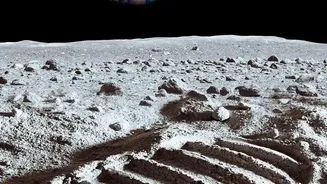
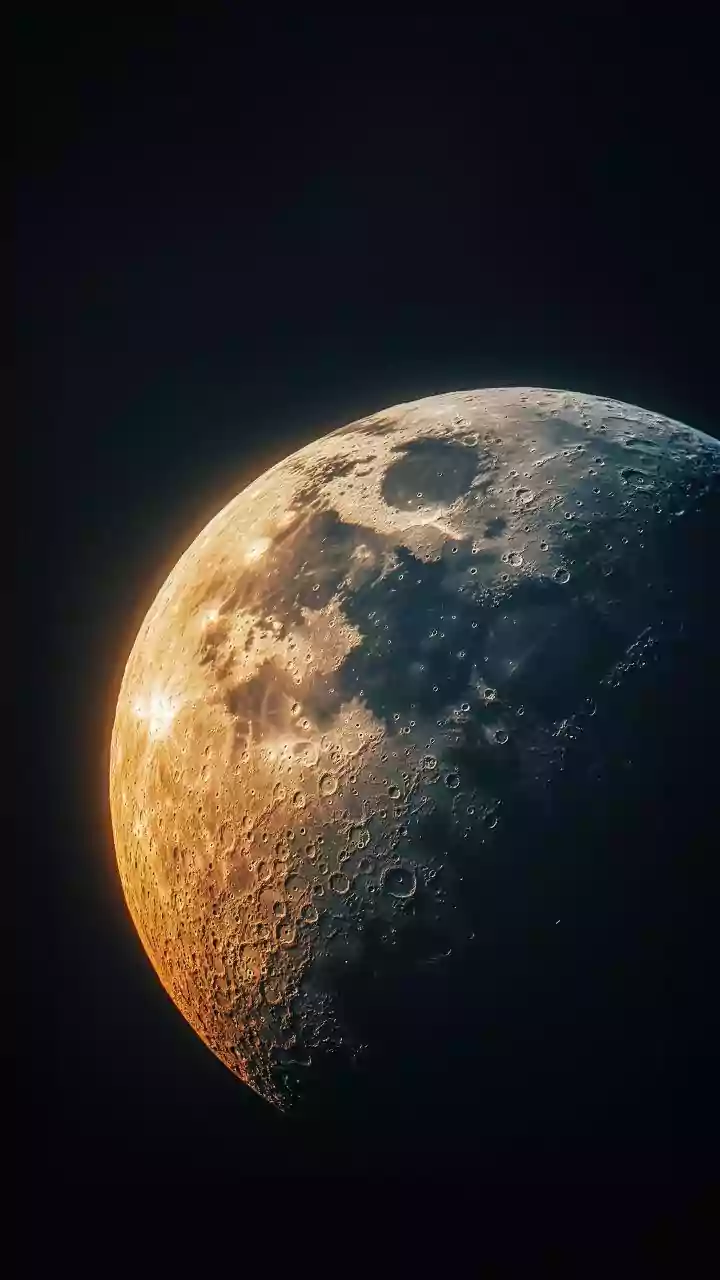
of water, particularly in the form of ice nestled in Permanently Shadowed Regions (PSRs) at the lunar poles. These are craters and depressions so deep and angled that they haven’t seen direct sunlight in billions of years, creating 'cold traps' with temperatures plunging below -160 degrees Celsius. Recent studies have moved beyond just confirming the presence of ice to mapping its history and distribution. Using advanced data analysis and computer simulations, scientists have determined that much of this ice has been accumulating slowly and continuously for as long as 3.5 billion years. This suggests a steady source, such as solar wind delivering hydrogen that then forms water, rather than a single massive event like a comet impact. Crucially, new research helps identify which cold traps are the oldest and therefore the most likely to contain significant ice deposits, providing a more reliable treasure map for future missions.
The High-Tech Detective Work
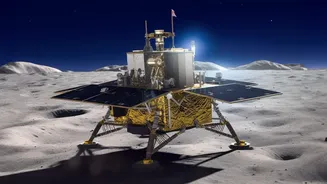
Unlocking these lunar secrets requires a suite of sophisticated sensors. NASA’s ShadowCam, flying on the Korea Pathfinder Lunar Orbiter, is so sensitive it can take pictures inside the dark PSRs using only the faint light reflected from Earth and surrounding lunar terrain. While it hasn't found vast, bright sheets of exposed ice, its data helps set upper limits on surface ice concentration. Other methods are looking beneath the surface. Scientists are developing new techniques using seismology—the study of vibrations—to detect buried ice. Just as earthquakes reveal Earth’s inner structure, small 'moonquakes' or artificial vibrations from a rover's drill could show how fast seismic waves travel. These waves move two to three times faster through stiff, icy soil than through dry regolith, allowing researchers to potentially map deep, hidden reserves that orbital instruments cannot see. This seismic approach is set to be tested by upcoming missions like China's Chang'e-7 and NASA-supported rovers.
A Game-Changer for a Lunar Outpost
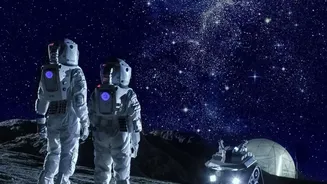
Finding accessible water ice is arguably the single most important factor for establishing a sustainable human presence on the Moon. The ability to “live off the land,” a concept known as in-situ resource utilization (ISRU), would revolutionize space exploration. Launching heavy materials like water from Earth is incredibly expensive; every kilogram is a major cost. A local, reliable water source on the Moon would be a game-changer. Astronauts could melt the ice for drinking water and use it to grow plants for food. More profoundly, water (H₂O) can be split into its component elements: oxygen and hydrogen. The oxygen could be used for breathable air in habitats, while the hydrogen and oxygen together form a powerful, clean rocket propellant. A lunar base with its own water source could effectively become a refueling station for missions venturing deeper into the solar system, such as to Mars.
Fueling the Future of Exploration
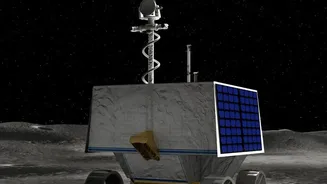
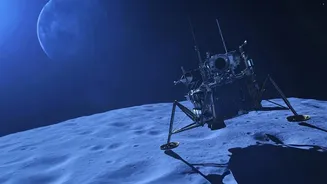
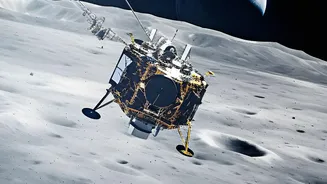
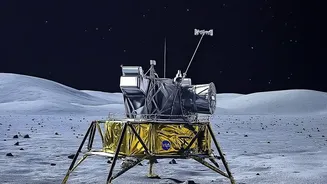
These new insights are directly informing the next wave of lunar exploration. NASA's Artemis program, which aims to return humans to the Moon, is specifically targeting the south polar region precisely because of its potential for water ice. Knowing which craters have been cold traps for billions of years helps mission planners select the most promising landing sites for astronauts and robotic explorers like the VIPER rover. International collaboration is key. The European Space Agency (ESA) is sending a rover called MAGPIE in 2029 to prospect for water ice. Similarly, a joint mission between Japan's JAXA and India's ISRO, called LUPEX, will carry a NASA-built neutron spectrometer specifically designed to detect hydrogen and map water ice beneath the surface. Each new piece of data, whether from orbit or the ground, refines our understanding and brings the vision of a bustling lunar outpost one step closer to reality. These deep space sensors aren't just taking pictures; they're paving the way for humanity's future in the cosmos.