







For the Everyday Consumer: Transparency is King
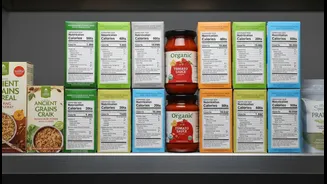
The biggest shift for the average Indian consumer is the demand for honesty on the label. Vague health claims are no longer enough. Shoppers are becoming detectives, scanning ingredient lists for hidden sugars, artificial additives, and unfamiliar chemicals.
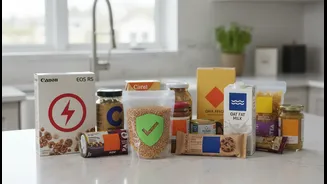
According to a recent survey, 84% of Indian consumers say food safety is a vital driver in their purchasing decisions. This has led to a rising demand for "clean-label" products—foods with simple, recognizable ingredients. Responding to this, the Food Safety and Standards Authority of India (FSSAI) is tightening regulations. From early 2026, FSSAI will require scientific evidence, not just assurances, for any claims made about a product's safety or nutritional value. This means companies will have to prove their health claims, leading to more trustworthy products on the shelf. For consumers, this translates to more power. Prepare to see clearer labeling on everything from packaged snacks to cooking oils, helping you make genuinely informed choices.
For Diet-Conscious Families: The Rise of Personalised Nutrition
For families actively managing their health, the one-size-fits-all diet is becoming a relic. The future is personalised nutrition, a trend moving from niche to mainstream. Driven by a desire to manage lifestyle diseases like diabetes and obesity, families are seeking tailored dietary advice. This goes beyond generic advice, with a focus on what works for an individual's unique biology, gut health, and lifestyle. The market for personalised nutrition in India is witnessing explosive growth, expected to become a multi-billion dollar industry. This trend is visible in household kitchens, where there's a conscious shift away from refined products towards whole foods, millets, and plant-based proteins. Healthy snacking is also being redefined, with a staggering 86% of Indians prioritising protein when choosing snacks and many preferring natural sweeteners like jaggery or dates over refined sugar. For families, this means moving beyond fad diets and investing in sustainable, balanced eating plans that consider the health of every member, from children to adults.
For Health-Tech Users: Beyond Tracking to True Prevention
For the digitally savvy, the role of health technology is undergoing a major upgrade. Wearable devices are already common, but the next phase is about moving from simply tracking steps and sleep to providing predictive and preventive health insights. The future of health-tech in India lies in creating a connected ecosystem where AI-powered platforms analyze your data to predict potential illnesses before symptoms even appear. Think of a system where your wearable flags a potential issue, connects you with a doctor via a telehealth platform, and your health records are seamlessly shared—all digitally. This shift is supported by government initiatives like the Ayushman Bharat Digital Mission, which aims to digitize health records and create an interoperable system. However, as consumers get harder to fool, the demand is for real value. Users will expect their apps and devices to offer not just data, but actionable, personalized guidance for improving long-term health, making health management proactive rather than reactive.
A New Ecosystem for Wellness
These individual trends are converging to create a new, integrated ecosystem of wellness in India. It's a system where food companies are held to higher standards, where family diets are based on individual needs, and where technology provides a safety net of preventive care. Consumers are no longer buying isolated products; they are building wellness systems that connect their fitness, nutrition, and mental well-being. This holistic view is becoming the new normal. The focus is shifting from intensity to longevity, with an emphasis on functional fitness, mobility, and recovery. Even mental health is being approached more holistically, integrating mindfulness, nutrition, and stress management. This interconnected approach signals a mature wellness market where every choice—from the grocery store to the gym to the apps on your phone—is part of a larger strategy for a healthier life.