

The Sun's 11-Year Rhythm
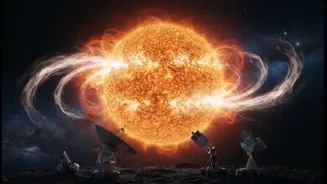
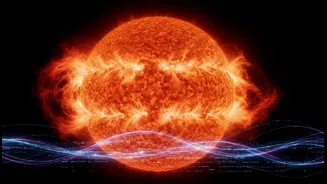
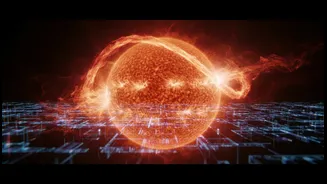
The sun has a heartbeat of sorts, a roughly 11-year cycle of activity that ebbs and flows. We are currently in what scientists call Solar Cycle 25, which began in December 2019. This cycle is now approaching its peak, a period known as the solar maximum.
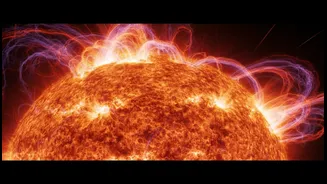
While initially predicted to be a relatively weak cycle, observations have shown solar activity to be much stronger than expected. This 'maximum' phase is characterized by a dramatic increase in sunspots, which are dark, magnetically complex regions on the sun's surface. These sunspots are the launchpads for powerful solar events that define what we call space weather. Although scientists believe the peak may have arrived in late 2024, the period of high activity is expected to persist through 2026, meaning the risk is not over yet.
What Is Space Weather?
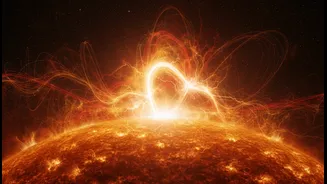
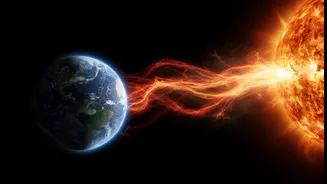
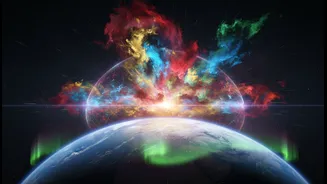
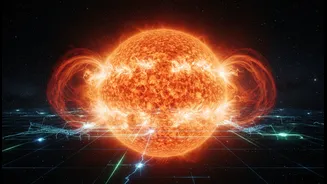
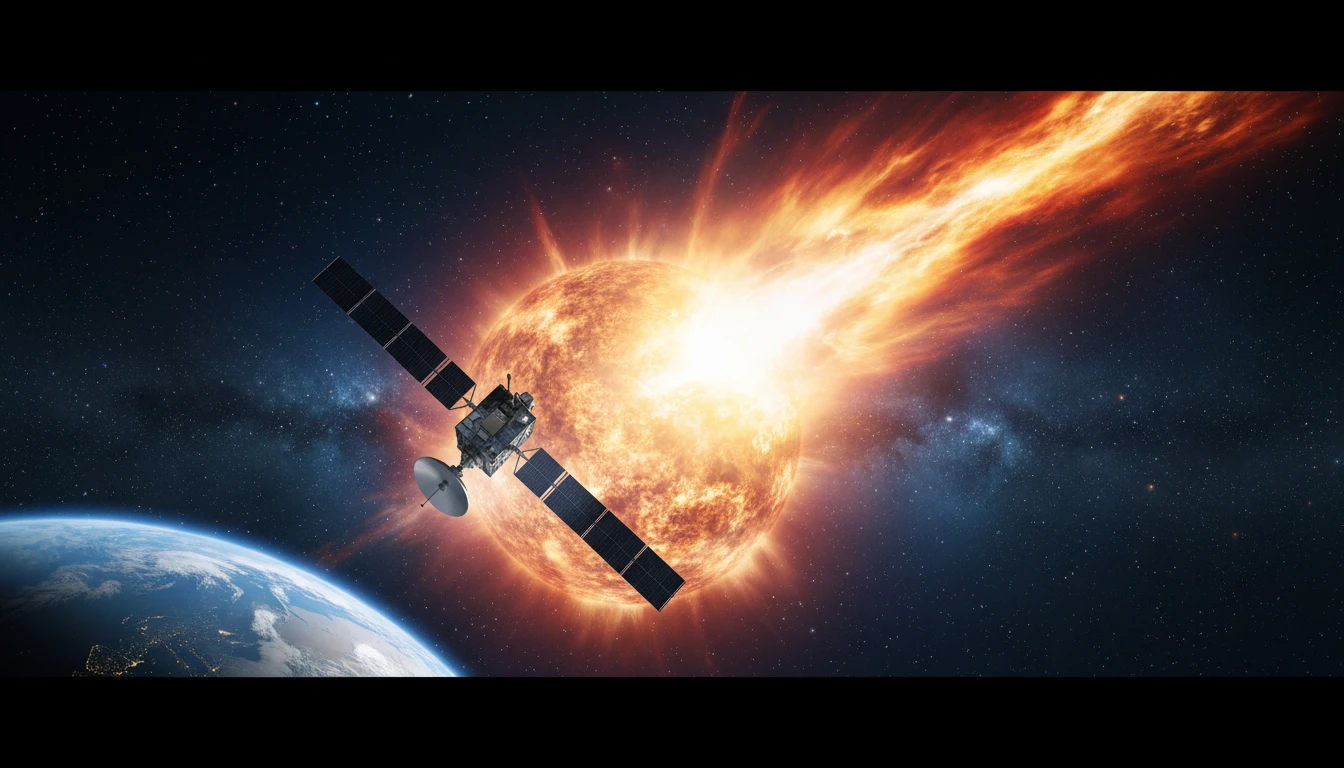
Space weather refers to the volatile conditions in space driven by the sun's activity. The two main events to watch are solar flares and coronal mass ejections (CMEs). A solar flare is an enormous burst of electromagnetic radiation that travels at the speed of light, reaching Earth in about eight minutes. CMEs are even more powerful: massive eruptions of plasma and magnetic fields from the sun's outer atmosphere, the corona. These billion-tonne clouds of charged particles travel more slowly, taking one to three days to reach us, but they can trigger significant disturbances in Earth's magnetic field known as geomagnetic storms. It's these storms that pose the greatest risk to our technology.
India's Digital Lifelines at Risk
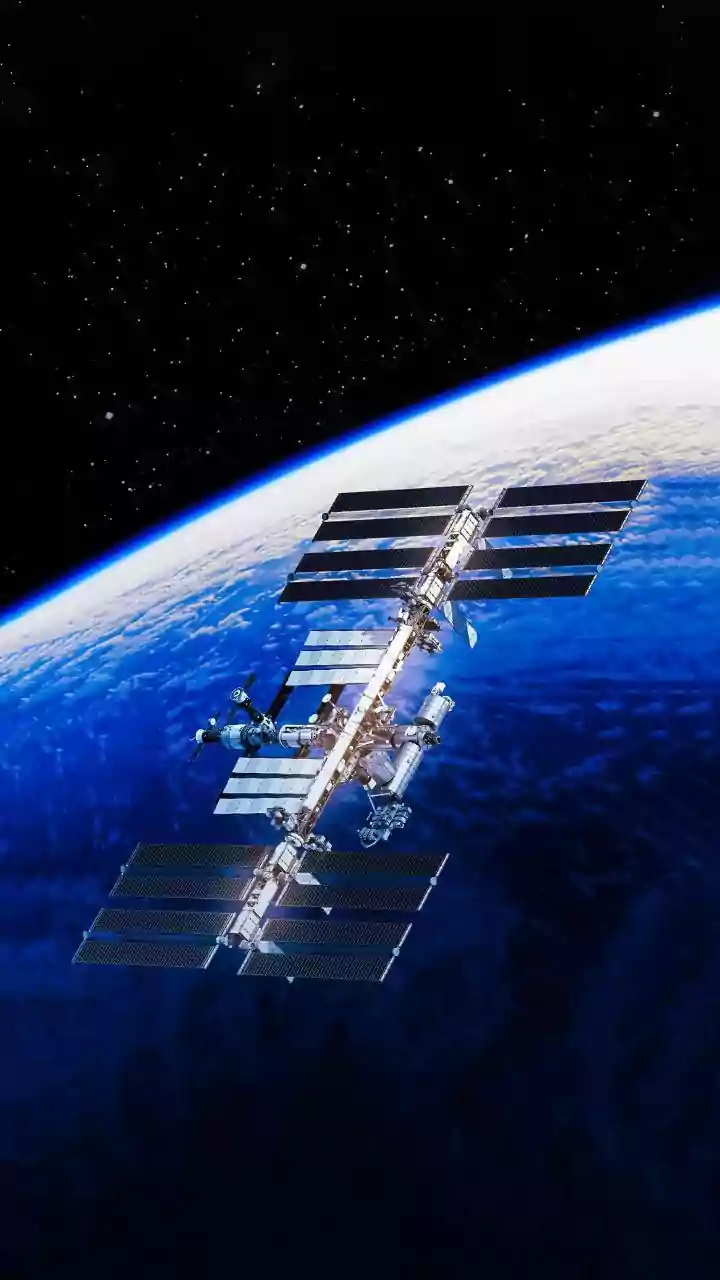
In a digitally-powered India, the consequences of a severe geomagnetic storm are profound. Our reliance on satellites for everything from the NavIC navigation system to television broadcasting, online financial transactions, and weather forecasting makes us vulnerable. A strong storm can interfere with GPS signals, causing navigation errors for aviation and shipping. More critically, energetic particles can damage the sensitive electronics on satellites, potentially degrading their solar panels or causing complete failure. On the ground, geomagnetic storms can induce powerful electrical currents in long conductors like power lines and pipelines. This could lead to overloaded transformers and widespread power grid failures, plunging cities into darkness and disrupting every facet of modern life.
Forecasting the Cosmic Storm
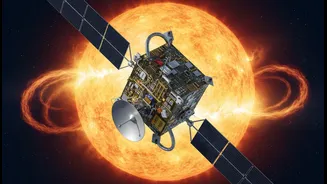
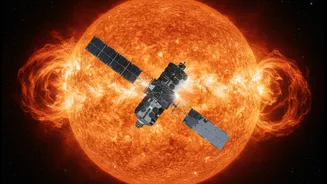
Just as we forecast monsoons and cyclones, predicting space weather is becoming essential for national preparedness. Agencies around the world, including the Indian Space Research Organisation (ISRO), are closely monitoring the sun. India's own solar observatory, Aditya-L1, is positioned 1.5 million kilometres from Earth, giving scientists a frontline view of solar eruptions before they reach our planet. This data is crucial for issuing timely warnings. These forecasts allow satellite operators to put their spacecraft into a safe mode, power grid managers to protect their infrastructure, and airlines to reroute flights away from polar regions where radiation exposure is higher during solar storms. As India's reliance on space-based technology grows, so does the importance of self-reliance in space weather prediction.