






The Daily Walk Meets Urban Reality
From Mumbai's Marine Drive promenade to Bangalore's Cubbon Park, a culture of walking and jogging is flourishing. Every morning and evening, thousands of residents lace up their shoes to counter sedentary lifestyles and connect with neighbours. This isn't
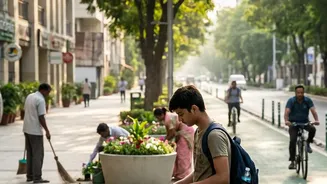
just a trend; it's a grassroots wellness movement. Yet, these walkers often face a stark reality: poorly maintained tracks, cracked or non-existent footpaths, inadequate lighting, and a lack of basic amenities like clean toilets and drinking water. The very spaces meant to promote health are frequently neglected or unsafe, forcing walkers to navigate uneven surfaces, traffic, and encroachments. This friction between the desire for a healthy lifestyle and the state of public infrastructure is fuelling a nationwide demand for better urban planning.
More Than Just a Patch of Green
The advocacy from these citizen groups goes far beyond simply asking for more parks. They are demanding a qualitative upgrade. Their wish list is specific and practical: dedicated, well-paved walking and jogging tracks free from obstructions, good lighting for safety, especially for women and early-morning walkers, and clean, accessible public restrooms. Furthermore, there is a growing call for these green spaces to be designed with ecological sense, using native trees that support local biodiversity. The demand is for 'inclusive' spaces that cater to all age groups, from children who need play areas to senior citizens who require safe, even surfaces and ample seating. It's a vision for parks as holistic community hubs, not just ornamental landscapes.
A Prescription for Public Health
The push for better green spaces is deeply rooted in public health. Studies have consistently shown that access to nature in urban environments has profound benefits. Regular walking, especially in a green setting, is proven to reduce stress, lower the risk of cardiovascular diseases and diabetes, and improve overall mental well-being. In a country grappling with a rise in lifestyle-related illnesses, these parks are not a luxury but a critical component of preventative healthcare. Experts argue that investing in walkable green spaces is one of the most effective ways to encourage physical activity, combat obesity, and enhance the psychological resilience of city dwellers. Increasing green cover in cities has even been linked to a reduction in mortality rates.
From Petitions to Policy Pressure
This is not just idle chatter during a morning walk. Walker associations and resident welfare associations (RWAs) are organising themselves into formidable advocacy groups. They are using a mix of traditional and modern methods to make their voices heard. From signing petitions and holding peaceful protests to running targeted social media campaigns and engaging directly with municipal corporations, these citizens are becoming active participants in urban governance. In cities like Mumbai, Delhi, and Bangalore, resident groups have repeatedly challenged development plans that threaten to shrink existing open spaces. This civic engagement reflects a larger shift, where citizens are no longer passive recipients of urban policy but are actively demanding a say in how their neighbourhoods are designed and managed.
Designing Cities for People
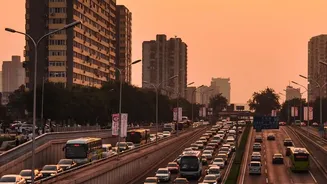
Ultimately, the walkers' movement highlights a fundamental debate in Indian urban planning: should cities be designed for cars or for people? For decades, the focus has been on building wider roads and flyovers to accommodate vehicular traffic, often at the expense of pedestrians. Advocates argue this is a flawed approach. A truly 'smart' city is a walkable one, where residents can safely access public transport, markets, and recreational areas on foot. This requires a paradigm shift towards creating integrated networks of footpaths, cycle tracks, and green corridors. The Supreme Court of India has even recognised walking on safe footpaths as a fundamental right, adding legal weight to the citizens' demands. The goal is to create cities that are not just economically vibrant, but also liveable, breathable, and healthy.