





The Rise of the Sharing Mindset
The idea of ownership is changing in India, especially among millennials in urban centres. A move towards an 'asset-light' lifestyle, popularised by co-working spaces and ride-sharing apps, is now entering our homes. Instead of every flat owning a rarely
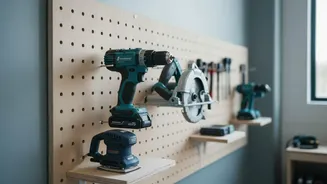
used drill or ladder, communities are pooling resources. The logic is simple and powerful: why buy, store, and maintain an item when you can access it conveniently? This shift is driven by a desire for flexibility, financial savings, and a growing awareness of environmental sustainability. A tool library, where residents can borrow items for a nominal fee or as part of their society maintenance, perfectly captures this modern ethos.
Setting Up the System
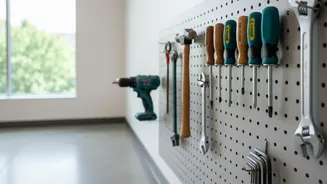
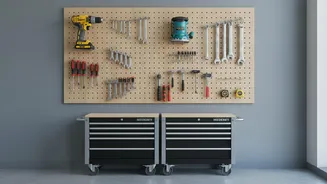
So how does it work in practice? The management of a tool library is key to its success. Most are initiated by a group of proactive residents or the society's managing committee. The first step is sourcing tools, often through donations from residents clearing out their storage. Many people have tools they no longer need and are happy to contribute to a community asset. For storage, a secure, accessible common area like a basement room or a dedicated cabinet is designated. To manage borrowing, societies use a mix of low-tech logbooks and modern management apps like MyTurn, which allow residents to see what's available, reserve items, and track their borrowing history. This ensures fairness and accountability.
The Rules of Borrowing
Clear rules are essential. Typically, a small annual membership fee is charged to cover maintenance and the replacement of worn-out tools. Loan periods usually range from a few days to a week, with small late fees to encourage timely returns. Liability is a major consideration. Societies often require members to sign a waiver, and some provide basic safety workshops for using more complex power tools. The most successful libraries find a balance between having enough rules to function smoothly and keeping the process simple enough that residents are encouraged, not deterred, from using the service.
Achieving Eco-Friendly Goals
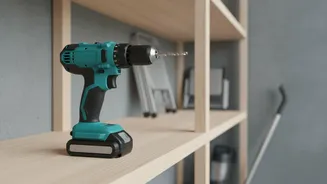
The environmental impact is significant. Think of the famous statistic that the average power drill is used for only about 13 minutes in its entire lifetime. A single drill in a tool library can serve dozens of households, drastically reducing consumption and the carbon footprint associated with manufacturing, packaging, and shipping. By extending the life of tools through shared use and proper maintenance, societies prevent countless items from ending up in landfills. This model is a prime example of the circular economy in action, where resources are kept in use for as long as possible, extracting the maximum value from them.
Overcoming Common Hurdles
It's not always a seamless process. The biggest challenges are funding and maintenance. While initial tool stocks often come from donations, funds are needed for new, high-demand items and repairs. Membership fees help, but some societies also rely on grants or community fundraising. Keeping tools in good working order requires effort. Some libraries rely on skilled volunteers who host 'fix-it' days, while others allocate a portion of the budget to a part-time staffer or professional repairs. Despite these hurdles, organisers find that when the community is invested, residents tend to take good care of the shared assets.
More Than Tools: Building Community
Perhaps the most valuable outcome of a shared tool library is the strengthening of community bonds. These spaces naturally become hubs for connection. Neighbours who might otherwise never interact meet while picking up a saw or dropping off a sander. This interaction often leads to skill-sharing, where an experienced DIYer offers tips to a novice. Many libraries expand their role to host workshops on basic repairs or creative projects, transforming a simple storage room into a centre for learning and collaboration. It's a system that builds not only shelves and gardens but also relationships.