


The Land of Ancient Monoliths
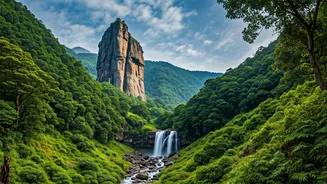
One of Jowai’s most profound experiences lies in the village of Nartiang. Here you’ll find the largest collection of monoliths in a single place. These silent, towering stone sentinels—some standing over eight metres tall—were erected by the Jaintia kings
between the 15th and 19th centuries to commemorate significant events and rulers. The site features both upright stones (menhirs) and flat table-like stones (dolmens). Unlike a typical tourist site, Nartiang feels like an open-air museum steeped in the history of the Pnar people, offering a direct link to the region's ancient past that few other hill stations can match.
Waterfalls of Unreal Beauty
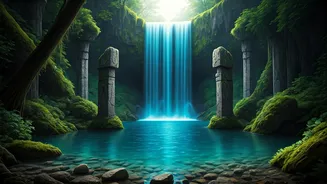
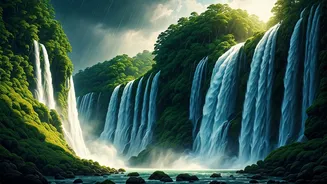
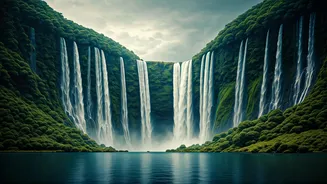
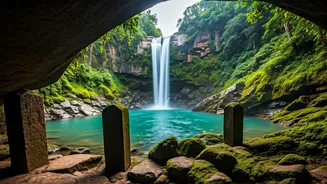
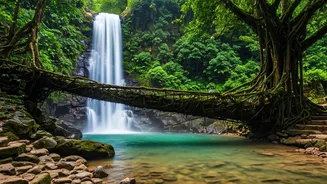
Jowai is the gateway to some of India's most stunning waterfalls. The star is Krang Suri, a waterfall that cascades into a pool of ethereal, crystal-clear blue water. The short trek to the falls builds anticipation, leading you to a natural swimming pool that feels like a discovery from a fantasy film. Then there is Tyrshi Falls, a magnificent cascade often compared to a smaller version of the famous Nohkalikai Falls, which you can approach via a picturesque walkway through paddy fields. These are not just viewpoints; they are immersive experiences that invite you to swim, relax, and connect with nature.
A Lake Born from a Legend
Every lake has its charm, but Thadlaskein Lake has a story. Legend says this man-made lake was dug not by tools, but by the tips of bows belonging to the followers of a Jaintia chieftain named Sajar Nangli. It stands as an eternal memory of their exodus. Today, the lake is a serene spot, revered by the local Pnar community and perfect for a quiet afternoon of boating or simply soaking in the tranquility. Its historical and cultural significance gives it a depth that goes beyond mere scenic beauty, offering a moment of quiet reflection on the region's folklore.
A Deep Dive into Pnar Culture
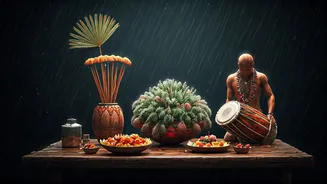
Jowai is the cultural heart of the Pnar people, a subgroup of the Khasi tribe with a rich matrilineal society. This is a living culture that you can see in the local markets, taste in the distinct cuisine (which features dishes like Jadoh and Dohkhlieh), and experience during vibrant festivals like Behdeinkhlam. This festival, held in July, is a spectacular display of tradition, meant to drive away plagues and evils. Unlike commercialised cultural shows, Jowai offers a chance to witness authentic traditions that are the lifeblood of the community.
Planning Your Jowai Escape
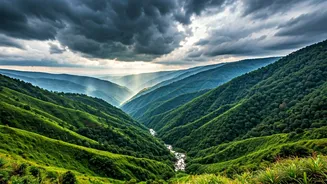
Getting to Jowai is part of the adventure. The nearest major airport is in Guwahati, Assam (around 160 km away), with a smaller airport in Shillong (around 65 km away). From either city, you can hire a taxi for a scenic drive that takes about two to three hours from Shillong. The roads are well-connected, weaving through lush hills and valleys. The best time to visit is between October and May, when the weather is pleasant and the waterfalls are at their most vibrant. While Jowai offers comfortable guesthouses and hotels, it retains a quiet, unhurried charm, ensuring your escape remains peaceful.