

Prioritise Gradual Acclimatisation
The single most important rule for a safe Spiti trip is to allow your body to adjust to the low oxygen levels. Acute Mountain Sickness (AMS) can affect anyone, regardless of age or fitness level, and is caused by ascending too quickly. The most recommended
route for first-timers, especially in autumn, is entering via Shimla and exiting via Manali. This route involves a more gradual ascent, giving your body crucial time to acclimatise. Plan to spend at least one night at a mid-altitude location like Kalpa or Nako before proceeding to Kaza (around 3,800 metres). Once in Kaza, dedicate the first 24 hours to rest. Avoid strenuous activities like long hikes or immediately rushing to higher villages. Gentle walks are fine, but listen to your body.
Recognise and Respond to AMS Symptoms
Knowing the early signs of AMS is critical. Mild symptoms include headache, nausea, dizziness, fatigue, and difficulty sleeping. These are your body's warning signals to stop ascending. If you experience mild symptoms, rest at your current altitude, stay hydrated, and you can take a mild painkiller for a headache. Do not ascend further until you feel completely well. More severe symptoms like persistent vomiting, confusion, difficulty walking in a straight line, or breathlessness even at rest, are signs of a medical emergency that requires immediate descent to a lower altitude. Descending by just 500-1000 metres can provide significant relief. Some travellers carry medication like Acetazolamide (Diamox), but you must consult your doctor before your trip to see if it's right for you.
Navigate Autumn Roads with Caution
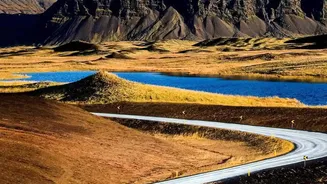
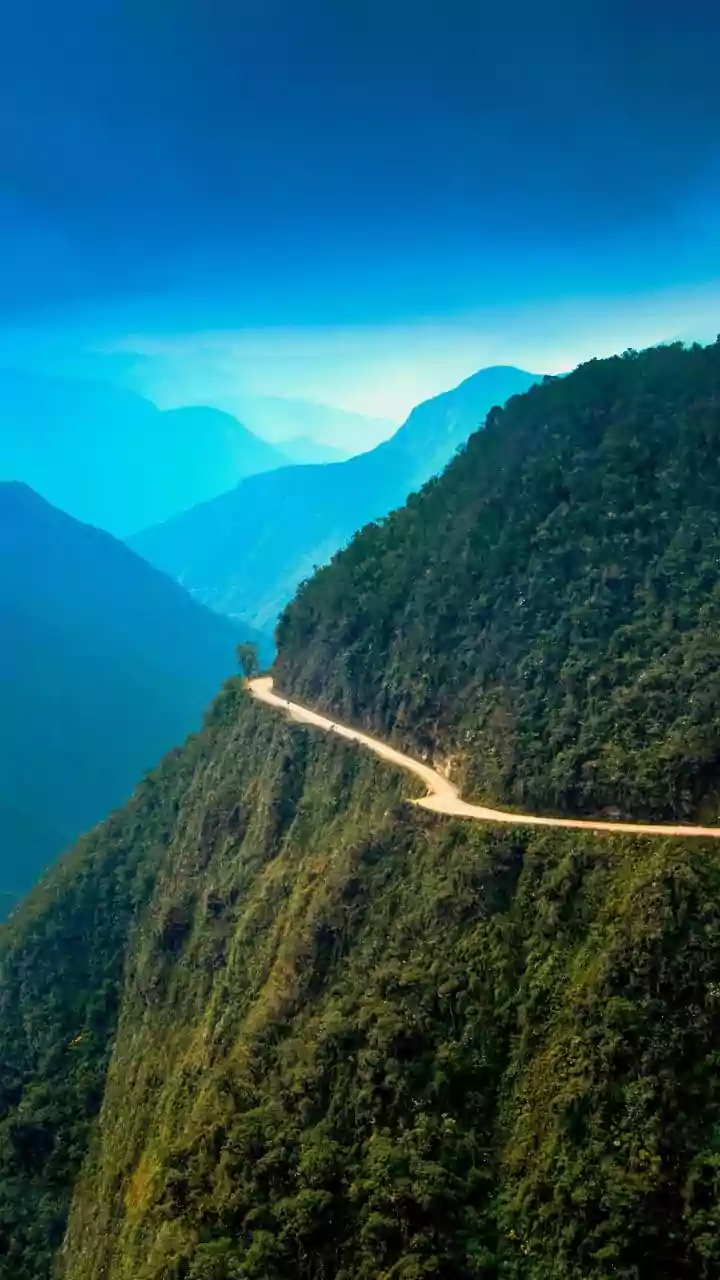
Autumn in Spiti means fewer crowds but also brings its own road challenges. While the monsoon has passed, the cold brings another hazard: black ice. This thin, transparent layer of ice on the road is especially dangerous on sharp turns and in shaded areas. Daylight hours are shorter, so plan to start your driving day early and aim to reach your destination well before sunset. The Manali-Kaza route via Kunzum Pass (4,551 metres) becomes unpredictable and often closes by mid-to-late October due to snowfall. Always check the current road status before attempting this route. The Shimla-Kinnaur road generally remains open longer. For safety, hiring an experienced local driver who understands the terrain and conditions is highly recommended.
Pack in Layers and Prepare for the Cold
The weather in Spiti can change dramatically in minutes. The key to staying comfortable and safe is layering. Daytime can feel pleasant in the sun, but temperatures plummet as soon as it sets, often dropping below freezing at night, especially from late September onwards. Your packing list must include thermal inners, a fleece jacket, and a windproof and waterproof outer jacket. Also essential are woollen socks, gloves, a warm cap or beanie, and sunglasses with UV protection to guard against the harsh high-altitude sun. Sturdy trekking shoes with good grip are much better than regular sneakers for the uneven terrain.
Carry Essentials: Cash, Meds, and Power
Spiti is a remote region where services are limited. ATMs are scarce and often out of cash, so carry enough currency for your entire trip, withdrawn from Manali or Shimla. Mobile connectivity is patchy; BSNL and Jio have the best (but still unreliable) coverage in Kaza and some other areas. Don't depend on digital payments or online maps. Download offline maps before you enter the valley. Pack a comprehensive first-aid kit including basics for cuts, pain relief, and any personal medications, as pharmacies are not readily available. Power cuts are common, so a fully charged power bank is non-negotiable to keep your devices running.
Stay Hydrated and Eat Smart
Proper hydration is crucial for acclimatisation. Aim to drink 3-4 litres of water daily. Dehydration can mimic and worsen the symptoms of AMS. Carry a reusable water bottle or a flask to keep water with you at all times. Eating carbohydrate-rich meals can help your body function more efficiently with less oxygen. Avoid heavy, oily foods, and completely abstain from alcohol for the first few days at altitude, as it can dehydrate you and interfere with acclimatisation.