




A New Wave of Unprecedented Threats
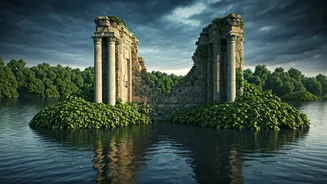
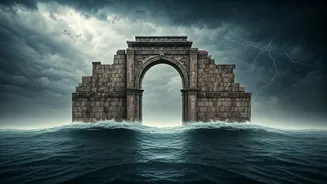
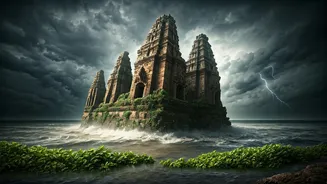
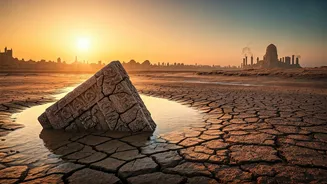
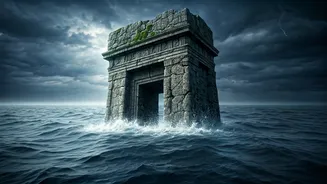
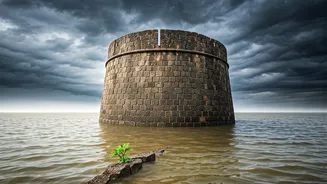
Our shared cultural heritage is facing a perfect storm of modern dangers. Climate change is a primary culprit, with rising sea levels, extreme weather, and changing temperatures wreaking havoc on delicate structures. A recent global assessment found that
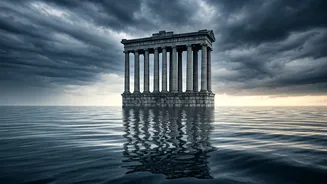
80% of UNESCO World Heritage sites are already experiencing climate-related stress. This manifests as coastal erosion threatening seaside ruins, thawing permafrost destabilizing ancient Arctic sites, and acid rain dissolving the features of marble statues. Beyond environmental pressures, many sites suffer from the consequences of their own popularity. Overtourism brings overcrowding, pollution, and physical wear and tear from millions of footsteps. Furthermore, unchecked urban development, regional conflicts, and agricultural expansion continue to encroach on and destroy archaeological landscapes. These combined pressures create an urgent need for a fundamental shift in how we approach conservation.
The Digital Twin: A Virtual Guardian
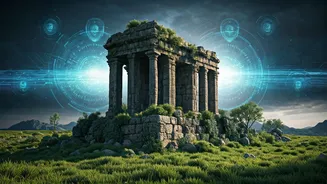
The most revolutionary advance in heritage protection is the move from reactive repair to proactive preservation, powered by technology. Central to this is the concept of the 'digital twin'—a highly detailed, dynamic virtual replica of a physical site. Using tools like 3D laser scanning, photogrammetry, and drone imagery, experts can create millimeter-accurate models of monuments. These digital blueprints serve multiple purposes. Firstly, they are a perfect archival record. Should a site be damaged by an earthquake or fire—as seen with the Notre Dame Cathedral—these models provide an invaluable guide for accurate restoration. Secondly, by integrating real-time data from IoT sensors that monitor temperature, humidity, and structural strain, the digital twin can predict future damage, allowing for preemptive interventions before cracks even appear.
AI, Satellites, and Immersive Realities
Artificial intelligence is another powerful ally. AI algorithms can analyze satellite imagery to detect looting or illegal construction near heritage zones. They can also sift through massive environmental datasets to predict how climate change will impact specific materials, guiding conservation priorities. In some cases, AI has even been used to help piece together fragmented artifacts or digitally restore faded artworks. Beyond preservation, technology is also making heritage more accessible. Virtual Reality (VR) and Augmented Reality (AR) allow people from anywhere in the world to explore fragile or remote sites without causing physical harm. You can virtually walk through the streets of ancient Pompeii or examine a delicate artifact from every angle, fostering a global appreciation that is crucial for long-term support.
The Human Element: Sustainable Tourism and Community Action
While technology provides powerful tools, the most effective strategies are those that involve people. The concept of sustainable tourism is gaining traction, aiming to balance economic benefits with the long-term health of heritage sites. This involves managing visitor numbers, promoting eco-friendly practices, and ensuring that tourism revenue directly supports conservation and local economies. Equally important is empowering local communities to become the primary guardians of their own heritage. When communities are involved in decision-making and see direct benefits from preservation, they become its most passionate defenders. This community-led approach, which integrates traditional knowledge with modern science, fosters a sense of ownership that is more durable than any single technology.