




The Return of a Seasonal Treasure
In India, the arrival of pomegranates is a cherished marker of the season. While cultivation techniques mean the fruit is available almost year-round in some regions, the peak harvest season traditionally falls between September and February. This is when
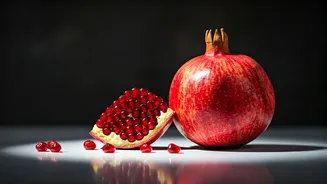
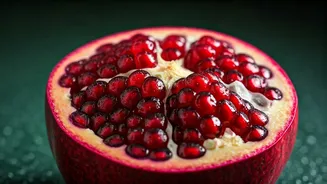
the best, juiciest, and most flavourful fruits appear in abundance, their deep red hues brightening up fruit stalls. This period, following the monsoons and leading into the cooler winter months, is when the 'Bhagwa' variety, celebrated for its sweet, bold arils and attractive saffron-coloured skin, is at its prime. For many, the sight of vendors cracking open a sample fruit to reveal the glistening seeds within is an irresistible call to indulge in this seasonal delight.
A Nutritional Powerhouse
The pomegranate’s popularity isn't just about its taste and beauty; it's a well-regarded 'superfood'. The fruit is packed with antioxidants, particularly polyphenols like punicalagins and anthocyanins, which are potent anti-inflammatory agents. In fact, research suggests the antioxidant potential of pomegranate juice is even greater than that of red wine or green tea. Pomegranates are a rich source of essential nutrients including fibre, vitamin C, vitamin K, folate, and potassium. Regular consumption has been linked to numerous health benefits, such as supporting heart health by potentially lowering blood pressure and cholesterol, aiding digestive health with its fibre content, and even boosting brain health.
How to Pick the Perfect Pomegranate
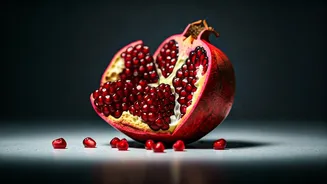
Choosing a good pomegranate can feel like a game of chance, but a few simple tips can guarantee a juicy reward. First, feel the weight of the fruit; it should feel heavy for its size, which indicates that the seeds (arils) inside are plump and full of juice. The skin should be firm, smooth, and taut. Don't be solely guided by colour, as it can vary from pink to deep red depending on the variety, but look for a consistent, deep hue without major blemishes or soft spots. Interestingly, a perfectly round fruit isn't always the best. A ripe pomegranate often has slightly flattened, squarish sides, a sign that the expanding seeds are pressing against the outer wall.
Beyond a Simple Garnish
In Indian kitchens, the pomegranate is a versatile star. Fresh arils are famously sprinkled over chaats and raitas, adding a burst of sweetness and a pop of colour. But its use goes far deeper. Dried pomegranate seeds, known as 'anardana', are a key ingredient in North Indian cooking, used as a souring agent in everything from chutneys to chickpea curries and marinades for dishes like Murgh Anardana (pomegranate chicken). In the south, the fruit finds its way into tangy chutneys and refreshing drinks. Even the peel is not wasted; in some traditions, it is used in coconut-based gravies, contributing a unique, slightly bitter complexity. Modern culinary trends also embrace the fruit in salads, juices, and cocktails.
A Symbol of Prosperity and Life
The pomegranate's significance in India transcends the kitchen. It has been a powerful symbol in Indian culture for centuries, representing fertility, abundance, and prosperity. The fruit is mentioned in ancient Hindu scriptures like the Rigveda and is often associated with deities such as Ganesha and Bhumi, the earth goddess. Its many seeds enclosed in a single fruit make it a potent symbol of life and togetherness, which is why it often features in auspicious rituals, from weddings to religious ceremonies. This deep-rooted cultural importance, combined with its tangible health benefits and delicious taste, ensures the pomegranate remains a cherished favourite, welcomed back with enthusiasm each season.