



The Protein Swap: Paneer for Tofu
Paneer is a staple in many Indian vegetarian households, but its price can add up, especially for frequent consumption. Tofu, often called 'soya paneer', presents a compelling alternative. While some reports suggest paneer can be cheaper outside of major
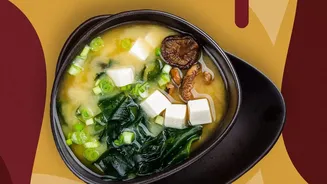
metro areas, in urban centres, tofu is often priced competitively or even lower. For instance, a 200g block of tofu can sometimes be almost half the price of the same amount of paneer. Nutritionally, tofu is lower in calories and fat, making it a lighter option. While paneer boasts a higher protein content per 100g, the difference in a meal can be minimal. For cooking, firm tofu is an excellent substitute in stir-fries and bhurji. It readily absorbs the flavours of masalas, though it won't provide the same creamy texture as malai paneer in rich gravies. For dishes like palak paneer, pressing the tofu to remove excess water will help it hold its shape and prevent the gravy from becoming watery.
The Gravy Thickener Swap: Cashews for Peanuts or Seeds
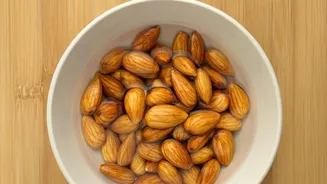
That rich, creamy texture in restaurant-style kormas and butter masalas often comes from a paste of cashew nuts. However, cashews are a premium ingredient, with prices for good quality varieties ranging from ₹800 to over ₹1,200 per kilogram. A much more economical alternative is using peanuts. With retail prices often between ₹60 and ₹200 per kg, the savings are substantial. To use peanuts, simply blanch them to remove the skins and grind them into a paste just as you would with cashews. The flavour profile will be slightly different, with a more earthy, nutty taste, but it creates an equally thick and satisfying gravy. For a more neutral flavour, sunflower seeds or melon seeds (magaz) are fantastic substitutes. Sunflower seeds can be found for as low as ₹150-₹205 per kg. These seeds blend into a creamy, white paste that mimics the texture and colour of cashew paste without overpowering the spices of the dish.
The Fat Swap: Ghee for Vegetable Oil
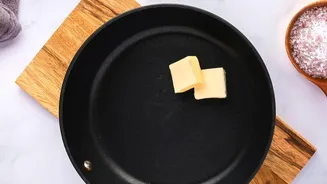
Desi ghee is prized for its flavour and traditional significance, but it is a premium cooking fat due to the amount of milk and labour required to produce it. Common vegetable oils are generally more affordable and widely available for everyday cooking. While no one suggests giving up ghee entirely—its flavour in dals, khichdi, and on rotis is irreplaceable—you can save money by using it more strategically. For high-heat applications like deep-frying or general sautéing where the nuanced flavour of ghee might be lost, a good quality vegetable oil is a practical choice. Reserve your jar of pure ghee for drizzling at the end of cooking (as a 'tadka' or finishing fat) where its aroma and taste can truly shine. This approach allows you to enjoy the best qualities of ghee while making the expensive jar last much longer, significantly cutting down your monthly spending on cooking fats.
The Colour & Aroma Swap: Saffron for Turmeric
Saffron is the world's most expensive spice by weight, with prices that can run into thousands of rupees for just a few grams. It's used for its unique aroma and brilliant colour in biryanis, kheer, and other special-occasion dishes. For everyday cooking, this is a luxury that can be easily substituted. A high-quality turmeric will provide a beautiful, vibrant yellow-orange hue to your dishes at a fraction of the cost. While the flavour is different, turmeric brings its own earthy, warm notes that are fundamental to Indian cuisine. To mimic the subtle sweetness of saffron, some chefs recommend adding a tiny pinch of sugar along with the turmeric. This simple switch can save a significant amount of money, reserving precious saffron strands for those truly festive moments where nothing else will do.
The Veggie Swap: Exotic Greens for Seasonal Sabzi
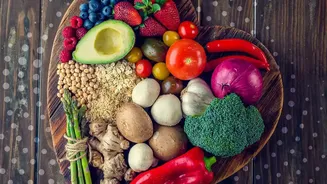
The trend of using exotic vegetables like broccoli, zucchini, and coloured bell peppers has made its way into many Indian kitchens. However, these vegetables are significantly more expensive than their local counterparts, with prices that can be double or triple that of seasonal produce. Recent reports show prices for items like red and yellow bell peppers and broccoli have surged by 25-30% due to weather disruptions. The most impactful way to save on vegetables is to cook with the seasons. Instead of broccoli, try cauliflower or cabbage. Instead of expensive bell peppers, use carrots, green capsicum, or beans. Swap pricey lettuce and kale for local greens like palak (spinach) or bathua. Seasonal, local vegetables are not only fresher and more nutritious but also drastically cheaper, helping you eat healthy on a much smaller budget.