




Understanding the Gut-Brain Axis
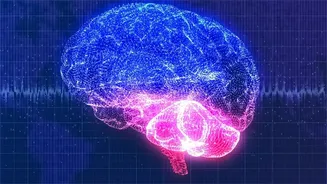
The gut-brain axis is a two-way communication network that connects your digestive system with your brain. Think of it as a constant conversation happening inside your body. Your gut contains millions of neurons, sometimes called the 'second brain', which
send signals to your brain, and your brain, in turn, sends signals back. This complex system involves the nervous system, hormones, and the immune system, influencing everything from digestion and appetite to your mood and emotions. When you feel stressed, your brain can send signals that cause an upset stomach; conversely, what happens in your gut can directly impact how you feel mentally.
Meet the Heroes: Probiotics and Prebiotics
The stars of this internal ecosystem are the trillions of microorganisms living in your gut, known as the gut microbiome. Keeping this community balanced is crucial, and that's where probiotics and prebiotics come in. Probiotics are the 'good' live bacteria that offer health benefits. They join the existing team in your gut, helping with digestion and producing important compounds, including neurotransmitters like serotonin, which is crucial for mood regulation. Prebiotics are the food for these good bacteria. They are special types of dietary fibre that your body can't digest. They travel to your large intestine, where they nourish beneficial bacteria, helping them thrive and strengthen your gut barrier.
The Power of Probiotic Yogurt (Dahi)
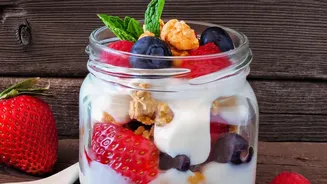
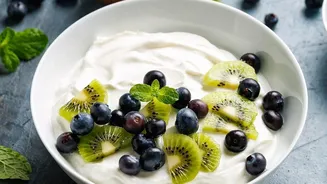
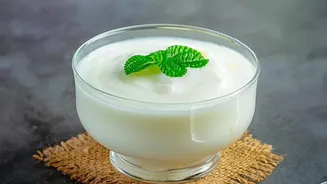
One of the most accessible and effective ways to introduce probiotics into your diet is through yogurt, or dahi, a staple in many Indian households. Regular consumption of probiotic yogurt has been shown to support gut health by replenishing beneficial bacteria. But the benefits don't stop there. Studies suggest that probiotics in yogurt can also influence brain function. Research has shown that women who consumed probiotic yogurt daily experienced changes in brain regions related to emotion and sensation, reporting calmer moods. This suggests that a daily bowl of dahi isn't just good for digestion; it might also help you handle stress and regulate your emotions more effectively.
Fuel Your Gut with Prebiotic Fibre
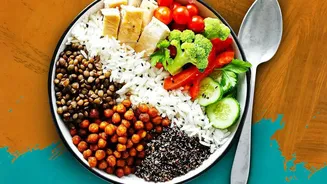
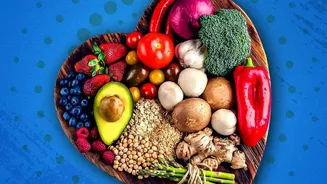
Probiotics need fuel to do their job, and prebiotic foods provide exactly that. The good news is that many traditional Indian foods are naturally rich in prebiotic fibre. Onions (pyaaz) and garlic (lahsun), the base of countless Indian dishes, are excellent sources of prebiotics. Bananas, especially slightly unripe ones, are rich in resistant starch, another potent prebiotic. Lentils and legumes, such as chana, rajma, and moong dal, are packed with fibres that feed good bacteria. Whole grains like oats, barley, and millets such as jowar and bajra also contribute significantly to a healthy gut microbiome. Including a variety of these foods ensures your gut flora remains diverse and robust.
Making It a Daily Habit
Incorporating these foods into your daily routine is simpler than you think. It's about making small, consistent choices. Start by having a bowl of homemade dahi with your lunch or dinner. Use garlic and onions generously in your tadkas and curries. Snack on a banana instead of processed foods. Try to include different dals and legumes in your meals throughout the week. Swapping refined flour rotis for those made from whole wheat or millets like bajra can also make a big difference. Traditional meal combinations like moong dal khichdi with a side of dahi, or bajra roti with a vegetable sabzi, are naturally designed to support both gut and overall health.