





The Case for Yoga: Mindful Strength and Flexibility
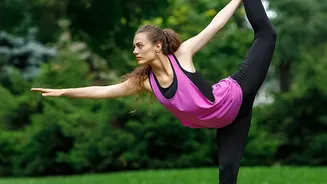
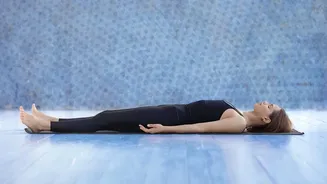
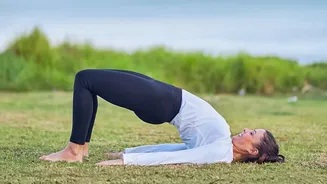
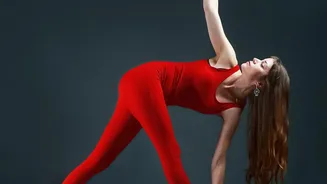
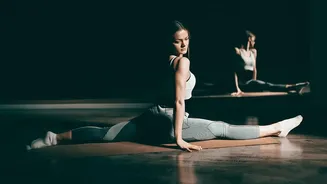
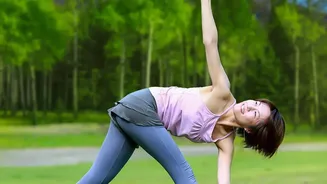
Yoga is an ancient practice that harmonises the body and mind through physical postures (asanas), breathing techniques (pranayama), and meditation. Its primary physical benefits include improved flexibility, balance, and strength. Holding poses builds
muscle, while slow, deliberate movements warm up the body and increase blood flow. This focus on controlled movement can make yoga a fantastic tool for improving posture and relieving chronic pain, particularly in the lower back. Beyond the physical, yoga is renowned for its profound mental health benefits. The practice is designed to calm the nervous system, reduce levels of the stress hormone cortisol, and promote mindfulness. Studies have shown that regular yoga can help manage stress, anxiety, and even symptoms of depression by encouraging emotional regulation and self-awareness. If your goal is to build a strong connection between mind and body, improve flexibility, and find a sense of calm, yoga offers a structured and introspective path.
The Case for Dance: Rhythmic Cardio and Joyful Expression
Dance fitness, whether it's a high-energy Zumba class, classical Bharatanatyam, or a hip-hop workshop, is exercise in celebration. Its greatest strength lies in its cardiovascular benefits. Dance is a form of aerobic exercise that gets your heart pumping, which can improve circulation, help manage weight, and lower the risk of cardiovascular disease. But dance is more than just cardio. It's a full-body workout that enhances coordination, balance, and muscular endurance. Learning choreography also provides a cognitive challenge, sharpening focus and memory. The mental uplift from dance is significant; the combination of music and movement releases endorphins, the brain's 'feel-good' chemicals, which can boost your mood and reduce stress. Unlike the often quiet and personal space of yoga, dance is frequently a social activity. This community aspect can combat feelings of loneliness and provide a powerful source of motivation.
The Consistency Question: Structure vs. Spontaneity
The best exercise is the one you do consistently. Whether yoga or dance is more likely to keep you coming back depends heavily on your personality. Yoga often provides a sense of clear progression. You work towards mastering specific poses, improving your alignment, and holding postures for longer. This structured, goal-oriented approach can be highly motivating for individuals who thrive on measurable progress and self-discipline. Dance, on the other hand, offers more variety and spontaneity. While technique is important, the experience is often driven by the music and the energy of the group. For those who get bored easily and are motivated by fun and social interaction, the party-like atmosphere of a dance class can be a powerful incentive to stay consistent. Enjoyment is a key predictor of long-term exercise adherence, so choosing the format that feels less like a chore and more like a treat is crucial.
Making the Choice: Which One Aligns With You?
Choosing between yoga and dance isn't about which is 'better,' but which is better for you. Consider your primary goals and what you seek from a workout. If you are looking for a low-impact exercise to reduce stress, manage blood pressure, and build functional strength and flexibility, yoga may be the ideal choice. It is well-suited for introverted personalities or those who prefer a quiet, introspective environment to decompress. If your main goal is cardiovascular fitness, weight management, and an energetic mood boost in a social setting, dance is likely a better fit. It's perfect for extroverts or anyone who is energised by music, community, and expressive movement. Don't be afraid to try both. Many people find a combination of the two provides a balanced routine; the cardio and fun of dance complemented by the flexibility and mindful recovery of yoga.