

The Season of More
Pick a month, any month, and you will likely find a major festival happening in an Indian city. The post-monsoon and winter seasons, in particular, are a blur of activity. Large-scale events like the Jaipur Literature Festival, which draws hundreds of thousands,
and Mumbai's Kala Ghoda Arts Festival, with its nine days of packed programming, dominate the cultural landscape. Add to these the countless food festivals, music concerts, and film events, and the schedule feels relentlessly crowded. This boom is, in many ways, a sign of a vibrant, thriving culture. It brings energy, commerce, and a sense of occasion to urban life. These festivals are landmarks, offering a platform for celebrated artists and drawing huge, enthusiastic crowds. They are the loud, spectacular moments of a city’s life, broadcast for all to see and hear. But a city’s cultural heartbeat isn't only found in its loudest moments. While we flock to the grand stages, we may be missing the richness that lies in the quieter corners.
In Search of the Quiet Narrative
What are these “slower stories”? They are the hyper-local, deeply personal, and often unamplified narratives that give a city its unique character. Think of a heritage walk through a centuries-old neighbourhood in Delhi, where an architectural historian shares tales hidden in the stone facades. Consider an oral history project in Bengaluru, meticulously recording the memories of elderly residents about a market or a lake that has long since vanished. It could be a community-led art project transforming a neglected slum wall in Mumbai into a vibrant mural that tells the story of its residents, like the work done by the St+Art India Foundation or the Rouble Nagi Art Foundation. These are not events designed for mass consumption. They are small-scale, participatory, and rooted in place. They don't shout; they invite you to lean in and listen. They are the stories of specific streets, communities, and histories, offering a connection that is both profound and personal.
The Value of a Deeper Connection
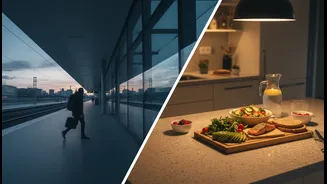
The contrast between a mega-festival and a slow story is one of scale and intention. A large festival is often a broadcast, a one-to-many experience where attendees are primarily consumers of culture. A neighbourhood story-gathering, on the other hand, is a conversation. It fosters a sense of belonging and ownership over one's own environment. When residents of a locality in Mumbai come together to paint their surroundings, they aren't just beautifying a space; they are strengthening community bonds and asserting their identity. When a small group gathers to listen to the history of their own neighbourhood, they are connecting with the invisible threads that tie them to the past and to each other. These slower activities offer a different kind of nourishment. They counter the relentless pace of urban life, providing moments of reflection, connection, and genuine discovery. They remind us that culture is not just something to be consumed at a ticketed event; it is something we live, create, and share every day.
Cultivating the Unseen City
This is not an argument against big festivals. A city is large enough to contain multitudes, and its cultural life should be just as diverse. The spectacular and the intimate can, and should, coexist. The challenge is one of attention and intention. The roar of a major event can easily drown out a whisper. Therefore, we must consciously choose to seek out the quiet narratives. As citizens, this means looking beyond the major event listings. It means exploring the work of local history groups, supporting small, independent art projects, and simply walking through our own neighbourhoods with a greater sense of curiosity. For city administrators and cultural patrons, it means creating and protecting spaces for these smaller initiatives. It involves providing grants, simplifying permissions for community projects, and recognising the immense value these 'slower stories' bring to the urban fabric. By championing these efforts, we ensure our cities are not just venues for spectacular events, but living museums of human experience.