








The Smartphone as a Financial Hub
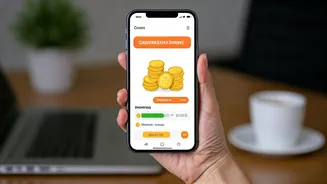
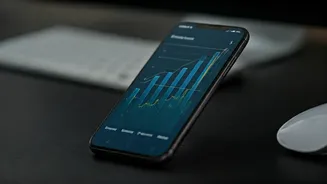
The single biggest driver of this trend is the device in everyone’s pocket. The fintech revolution has transformed smartphones into powerful financial control centres. Apps for UPI payments, budgeting, and investing have made money management instantaneous
and accessible. Platforms like Groww, Zerodha, and Paytm Money demystified investing, allowing users to track their portfolios in real-time. This ease of access, combined with features like instant fund transfers and expense tracking, has turned a once-tedious task into a simple, daily habit for a tech-savvy generation. This digital transformation has democratised access to financial services, extending from urban centres to smaller towns and rural areas, making finance a part of daily digital life.
Economic Realities and Rising Caution
While technology provides the tools, economic uncertainty provides the motivation. Rising inflation, a volatile job market, and global economic headwinds have made people more cautious. Studies show that economic policy uncertainty often leads to a negative impact on markets and encourages households to increase savings. Many Indians are now checking their accounts not just to see their wealth grow, but to ensure it isn’t shrinking. With household savings hitting multi-decade lows and a greater reliance on credit, daily monitoring has become a defensive strategy. People want to know where every rupee is going, making sure they are prepared for emergencies in an unpredictable climate. This has prompted many to adopt budgeting rules like the 50/30/20 framework to regain control.
A New Generation of Retail Investors
The COVID-19 pandemic acted as a massive catalyst, birthing a new generation of retail investors. Stuck at home with more disposable time, millions opened Demat accounts for the first time, leading to a surge in stock market participation that has continued to grow. The number of Demat accounts in India has soared, crossing 200 million by mid-2025, with a significant portion of new users being under the age of 30. For this new cohort, checking the performance of their stocks and mutual fund SIPs is not just a financial task but an engaging, daily activity. This shift from traditional assets like fixed deposits and gold to market-linked investments means finances are more dynamic and require more frequent attention.
The Rise of 'Finfluencers' and Financial Content
The information landscape has also changed dramatically. A new breed of social media personalities, dubbed 'finfluencers', has emerged, offering financial advice on platforms like YouTube and Instagram. They break down complex topics like mutual funds, stock analysis, and tax planning into easily digestible content, making finance more approachable for young audiences. While the quality and reliability of this advice can vary, with regulators like SEBI taking notice of unregistered advisors, their influence is undeniable. They have spurred conversations around money, encouraging their followers to take a more active role in their financial lives and prompting many to research and track their investments more diligently.
Gamification and Behavioural Nudges
Modern financial apps are designed to be engaging. They use principles of gamification—streaks, rewards, and visually appealing charts—to make checking finances feel less like a chore and more like a game. AI-powered nudges can alert a user to a missed SIP payment or a portfolio that has become too risky, encouraging constant interaction. These platforms provide personalised insights, categorise spending automatically, and offer a clear, real-time picture of one's financial standing. This behavioural design keeps users coming back, reinforcing the habit of daily check-ins and fostering a sense of control and empowerment over their financial journey.