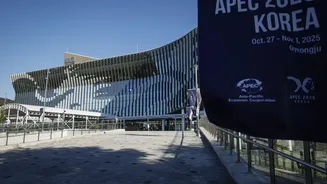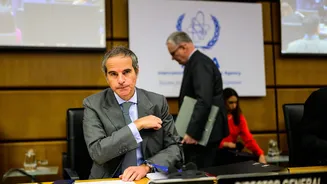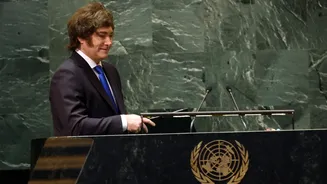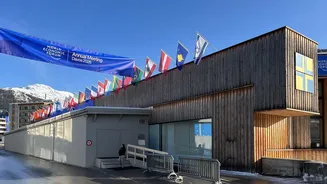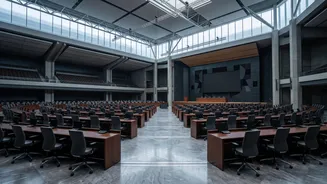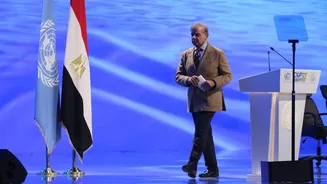




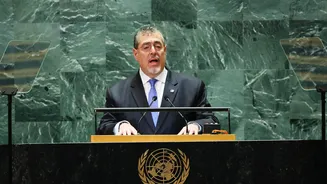
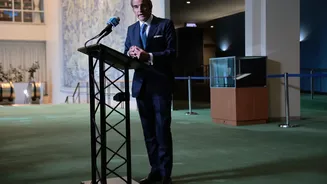
The curtains have closed on the COP31 climate summit in Antalya, Turkey, with a familiar sense of disappointment. After running nearly 48 hours into overtime, negotiators failed to deliver a comprehensive global pact. Why did they fail?
High Hopes Meet Hard Reality
Expectations were
cautiously optimistic as delegates gathered in the Turkish resort city of Antalya. The goal, as with all Conference of the Parties (COP) meetings, was to advance global cooperation in the fight against climate change. Coming into the summit, the focus was meant to be on implementation—turning years of promises into concrete action. However, the summit quickly became bogged down by foundational disagreements that have plagued climate talks for years, underscoring the vast gap between scientific urgency and political will. The failure to even agree on a final 'cover decision', the overarching political statement of the summit, marked the first such collapse in over a decade and highlighted the deep fractures in the international community.
The Billion-Dollar Sticking Point
At the heart of the collapse was the perennial issue of climate finance. Developing nations, including a vocal Indian contingent, arrived in Antalya with a clear demand: developed countries must honour their historical responsibility and provide the necessary financial support for the energy transition and adaptation. Historically, developed countries are responsible for the bulk of emissions that have caused climate change. Developing countries argue that they cannot be expected to sacrifice their economic growth without substantial aid and technology transfer. Negotiations stalled over the scale and sources of funding, with developing nations fighting for a tripling of adaptation finance to around $120 billion annually and greater contributions to the Loss and Damage fund, which compensates vulnerable nations for unavoidable climate disasters. Wealthier nations, while acknowledging the need, were hesitant to commit to firm public funding targets, leading to a stalemate that poisoned other areas of negotiation.
The Unmentionable: Fossil Fuels
The most significant fault line was the debate over fossil fuels. A coalition of nations, including the European Union and many climate-vulnerable states, pushed for the final agreement to include a clear call for a 'phase-out' of fossil fuels—the primary driver of global warming. This move was vehemently opposed by a bloc of oil and gas-producing states, notably Russia and Saudi Arabia, who fought to keep any direct mention of fossil fuels out of the final text. The draft agreement that emerged in the final hours was seen by many as a step backward, making no direct reference to fossil fuels while promoting unproven technologies like carbon capture and storage. For the EU and others, this was a red line. As Ireland's climate minister stated on behalf of the bloc, it was 'unconscionable' to have a climate pact that ignores the root cause of the crisis.
India's Stand: Climate Justice and Development
Throughout the negotiations, India positioned itself as a key voice for the Global South, championing the principles of 'common but differentiated responsibilities' and climate justice. Indian negotiators resisted binding timelines for a fossil fuel phase-out, arguing that the country's development needs and energy security are paramount. Instead, India's strategy focuses on rapidly expanding renewable energy capacity—a goal it is well on its way to achieving—while insisting that any global transition must be supported by low-cost finance and technology from developed nations. India also rejected a voluntary 'Global Electrification Pledge' pushed by the Turkish presidency, signaling its opposition to top-down targets that don't account for national circumstances. This stance reflects the tightrope India walks: balancing its growing economy and energy demands with its significant vulnerability to climate impacts.
Not a Total Loss?
While the failure to secure a headline pact dominated the news, the summit was not a complete write-off. Progress was made on several smaller, technical fronts. Negotiators found consensus on texts related to the 'just transition' work programme, which aims to support workers in fossil fuel-dependent economies. There were also agreements on the framework for the Global Goal on Adaptation and rules for carbon markets. Additionally, a number of voluntary commitments on issues like methane reduction and forest protection were announced on the sidelines. However, these smaller wins were overshadowed by the central political failure, leaving observers to describe the outcome in unusually dire terms, with some calling it one of the darkest hours for climate negotiations.