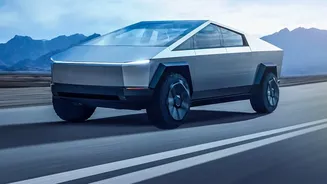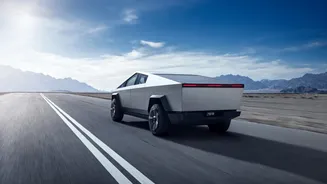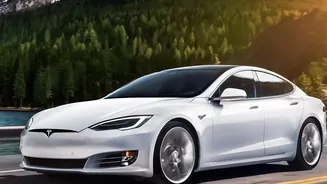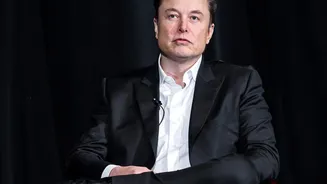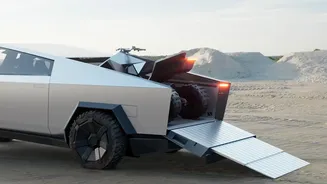



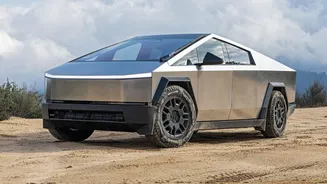

Tesla's iconic Cybertruck is facing another major turn in its story. CEO Elon Musk has announced that production of the futuristic pickup will be wound down by mid-2027. This isn't just a minor tweak; it's a strategic pivot with big implications.
The End of a Production Era
In a
surprise announcement, Elon Musk confirmed that Tesla will phase out Cybertruck production at its Texas Gigafactory around the middle of 2027. The move is intended to free up factory space and resources for a different priority: the Cybercab, Tesla's two-seater autonomous robotaxi. While Musk didn't specify if the Cybertruck line would be moved elsewhere or discontinued entirely, the focus is clearly shifting away from the angular pickup. This decision marks a significant chapter for a vehicle that began deliveries in late 2023 after years of anticipation and production delays.
A Troubled Production History
The path to production for the Cybertruck has been anything but smooth. After its reveal in 2019, Tesla faced what Musk himself called 'enormous challenges' and admitted, 'we dug our own grave with Cybertruck'. The vehicle's unique stainless steel exoskeleton and unconventional design required developing new manufacturing processes, which proved complex and costly. Sales have not met the ambitious initial projections of 250,000 to 500,000 units annually. According to estimates from Kelley Blue Book, U.S. sales dropped from 38,965 in 2024 to just 20,237 in 2025. The truck also faced numerous recalls for hardware and software issues since its launch.
Why Pivot to the Cybercab?
The decision to wind down Cybertruck production is less about its failure and more about the perceived opportunity with the Cybercab. Musk stated that the 'opportunity cost' of the Cybertruck's complexity is 'vastly outweighed' by the value of producing more Cybercabs. This reflects Tesla's broader strategic shift towards becoming an AI and robotics company, with autonomous vehicles at the core of its future. Musk has emphasized that the company's best engineering talent and factory space are needed to scale the Cybercab, which he believes will 'profoundly transform the world of terrestrial transport'. The Cybercab is central to Tesla's planned robotaxi network, a service the company sees as a massive future revenue stream.
What Happens to Existing Orders?
Despite slowing sales, there is still a significant backlog of Cybertruck orders. Musk acknowledged that the current order book is 'far more than we can make' before the production line is dismantled around June or July of 2027. To address this, Tesla plans to add an extra production shift to fulfill as many pending orders as possible. For customers whose orders cannot be completed in time, Tesla will likely issue refunds for their deposits. The company has already raised prices on remaining Cybertruck models and paused new orders for the entry-level variant, signaling the beginning of the winddown process. Service and support for the existing fleet of Cybertrucks on the road are expected to continue as normal.