


A Dress Rehearsal for the Red Planet
Before astronauts can take their first steps on Martian soil, we need to learn how to live and work on another world. The Moon, being relatively close to home, is the perfect proving ground. NASA's 'Moon to Mars' strategy is clear: solve the challenges
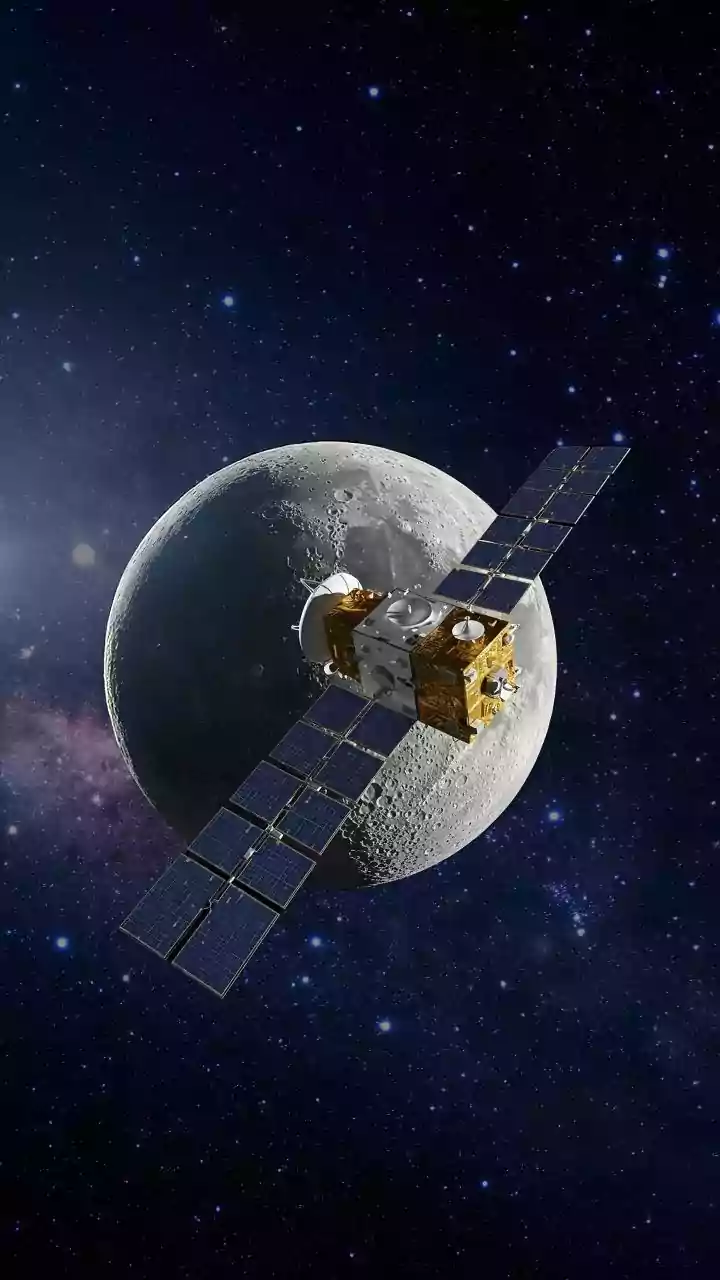
of a long-term lunar presence, and you solve many of the same problems for a future Mars mission. The Artemis program isn't just a return to the Moon; it's a critical dress rehearsal. To that end, NASA recently announced three new scientific investigations selected to fly on future commercial lunar landers. These payloads are designed to answer fundamental questions about the lunar environment, preparing the way for a permanent base and, ultimately, a journey to the Red Planet. Think of it as building an interplanetary survival guide, one lunar experiment at a time.
Finding Water and Firm Footing
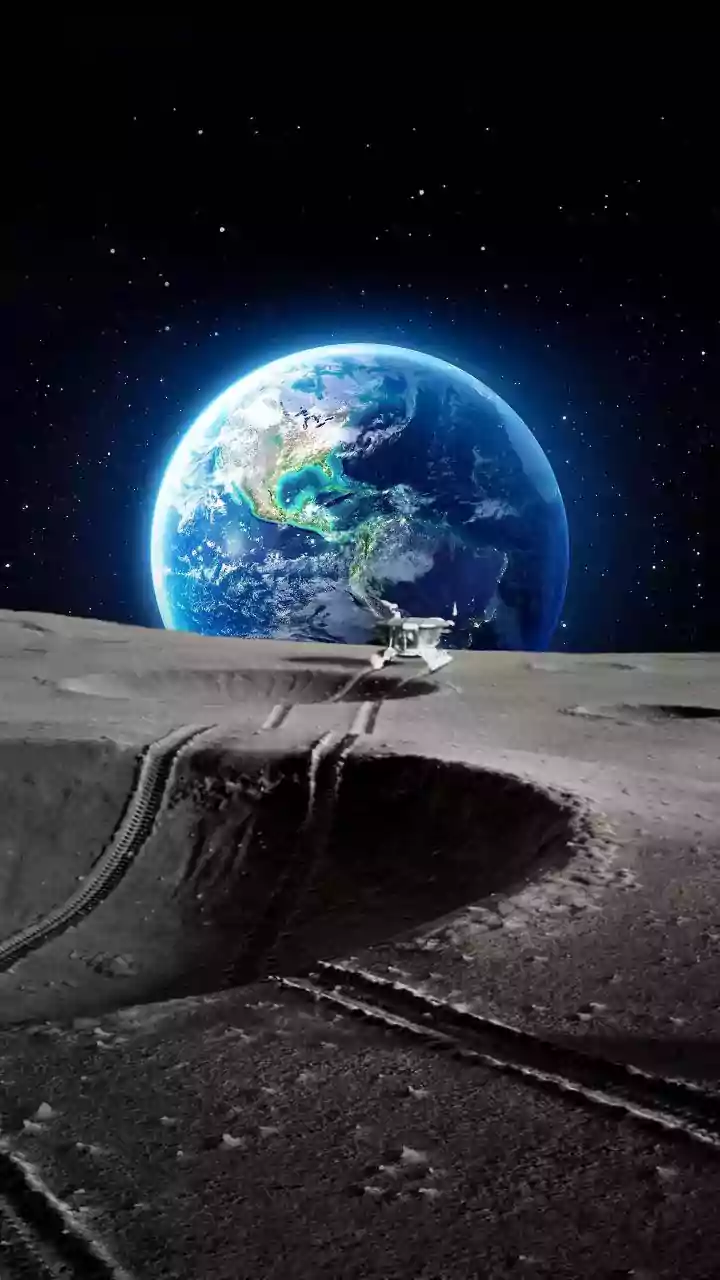
One of the biggest keys to long-term survival in space is learning to live off the land, a concept known as in-situ resource utilization (ISRU). A new payload called the Depth Imager with Spectral and Color Optics, or DISCO, is designed to do just that. Its primary mission is to get the first-ever direct, on-the-ground measurements of water ice that may be hiding in permanently shadowed craters at the Moon's poles. Finding accessible water ice would be a game-changer, as it can be converted into drinking water, breathable air, and rocket propellant. DISCO will also study the lunar soil, or regolith, to see how stable it is for building structures and how it gets kicked up by rocket exhaust during landings—a crucial safety concern for any busy lunar outpost.
Checking the Weather and Quakes
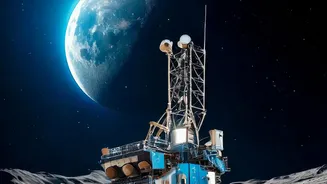
The Moon is a harsh environment. To protect astronauts and equipment, we need a reliable forecast. That's the job of the Lunar Environment Monitoring Station – South Pole (LEMS-SP). This autonomous science station will act as a long-term weather outpost, operating through the extreme cold and dark of the 14-day lunar night thanks to innovative solar power and battery technology. LEMS-SP will monitor the lunar exosphere for volatile compounds, track the relentless rain of micrometeoroids, and listen for 'moonquakes' with a sensitive seismometer. This data is essential for designing safe habitats and understanding the daily hazards astronauts will face, providing an invaluable blueprint for the kinds of environmental monitoring stations that will one day be needed on Mars.
Searching for Natural Shelter
Why build a habitat from scratch when you might be able to move into a pre-existing one? The lunar surface is bombarded by cosmic radiation and subject to wild temperature swings. One long-theorized solution is to build a base inside subterranean lava tubes, which could provide natural, effective shielding. The Geophysical Instruments for Marius Lunar pit Investigation (GIMLI) will explore a promising 'skylight'—a collapsed pit that could be an entrance to one of these lava tubes. Using ground-penetrating radar and other instruments, GIMLI will peer below the surface to determine if a large cave exists. Finding a ready-made shelter would be a massive boost for lunar base construction and provides a template for how future Martian explorers might seek refuge in similar geological features on the Red Planet.