







Understanding Ultra-Processed Foods
First, let's clarify what we mean by 'processed'. Not all processing is bad; pasteurising milk or canning vegetables are forms of processing. The concern lies with 'ultra-processed foods' or UPFs. These are industrial formulations with long ingredient
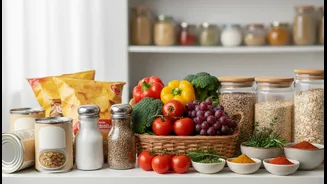
lists, often containing substances you wouldn't use in a home kitchen, like artificial colours, flavours, and preservatives. Studies have linked high consumption of UPFs to an increased risk of several health issues, including obesity, heart disease, and type 2 diabetes. The goal isn't to eliminate all processed items, but to consciously reduce the 'ultra-processed' ones. Reading labels is key: if the ingredient list is long and full of words you don't recognise, it's likely a UPF.
Swap Sugary Cereals for Wholesome Breakfasts
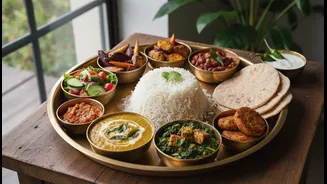
Many popular breakfast cereals are packed with added sugars and refined carbohydrates, making them ultra-processed. A colourful box might be appealing, but it can lead to a mid-morning energy crash. An easy and far more nutritious swap is to opt for traditional Indian breakfasts like poha or upma, made with fresh vegetables and spices. Another excellent choice is a simple bowl of oats or dalia. These can be prepared sweet with fruit and a sprinkle of cinnamon, or savoury with vegetables and spices. You control the ingredients, boosting fibre and nutrient intake to start your day with sustained energy.
Ditch Bottled Sauces and Dressings
Store-bought salad dressings, ketchup, and cooking sauces are often loaded with hidden sugars, sodium, and preservatives. A quick look at the label reveals a host of artificial ingredients. Making your own is surprisingly simple, healthier, and often tastier. For a basic salad dressing, whisk together olive oil, lemon juice, salt, and pepper. You can create a delicious green chutney with coriander, mint, ginger, and green chillies to accompany snacks. Instead of store-bought tomato sauce, try making a simple puree at home by blending tomatoes with garlic and herbs. These homemade versions are fresh and free from the additives found in their packaged counterparts.
Choose Whole Grains Over Refined Flour
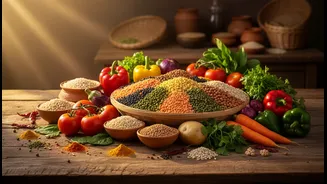
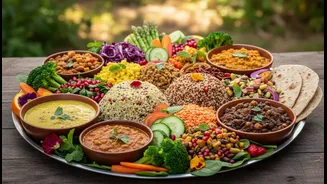
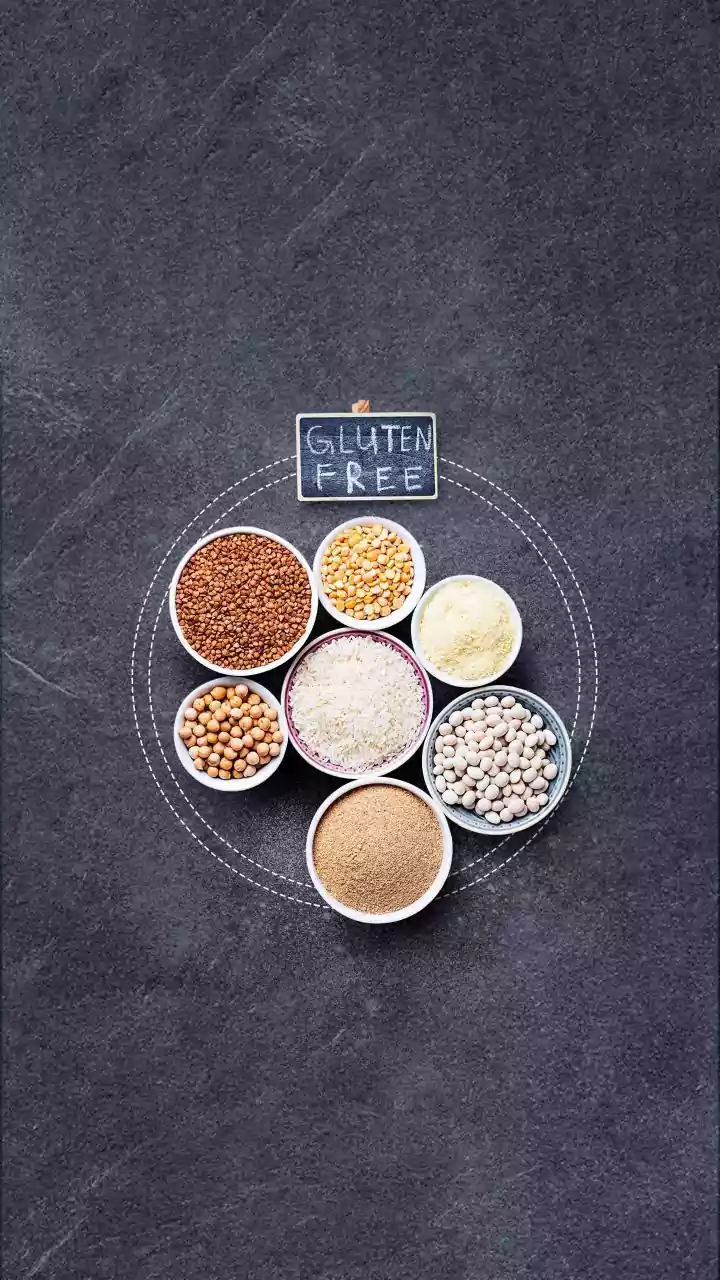
White bread, packaged naan, and products made with maida (refined white flour) are staples in many homes, but they are stripped of fibre and nutrients during processing. A simple swap is to embrace whole grains. Opt for whole wheat bread or, even better, make fresh rotis at home using whole wheat atta. Instead of white rice for every meal, try incorporating brown rice, which is a great source of fibre. Millets like jowar, bajra, and ragi are also fantastic, nutrient-dense alternatives that are making a strong comeback in Indian kitchens. They can be used to make rotis, khichdi, or porridge.
Trade Packaged Snacks for Real Food
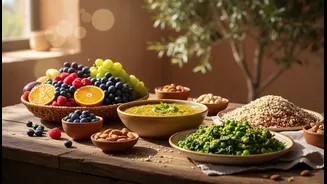
When hunger strikes between meals, it's easy to reach for a bag of chips or a packet of biscuits. These are classic examples of ultra-processed foods, designed to be hyper-palatable but offering little nutritional value. Instead, plan for healthier snack times. A handful of nuts like almonds and walnuts, roasted chickpeas, or a piece of fruit are excellent choices that provide fibre, protein, and healthy fats to keep you full. A bowl of plain yogurt or a simple fruit salad are also refreshing and nutritious options that help you avoid the empty calories and artificial additives of packaged snacks.
Replace Sugary Drinks with Healthier Hydration
Packaged fruit juices, sodas, and other sweetened beverages are major sources of refined sugar and empty calories. Even juices labelled as '100% fruit' often lack the fibre of whole fruit, causing blood sugar spikes. The best swap is the simplest one: water. To make it more interesting, infuse it with slices of lemon, cucumber, or mint leaves. Other healthy alternatives include fresh buttermilk (chaas), coconut water, or unsweetened herbal teas. When you do want something sweet, opt for eating a whole fruit instead of drinking its juice.