





What the New Research Reveals
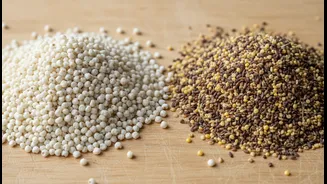
Recent scientific findings are adding weight to the already compelling case for plant-based proteins. A notable study from early July 2026 highlighted that even edible flowers, like marigolds, can be a surprising source of protein, comparable to staples
like quinoa. Researchers found that proteins from the Calendula officinalis marigold species not only offer significant protein content but also have functional properties useful in food production, like helping to bind ingredients in dressings and sauces. Other recent meta-analyses have reinforced the long-term benefits, showing that replacing a small portion of animal protein with plant protein is associated with a lower risk of cardiovascular disease. Specifically, one study found that those who ate a higher ratio of plant-to-animal protein had a significantly lower risk of heart disease, especially when replacing red and processed meats with sources like nuts and legumes. These findings provide a fresh, evidence-based reason to explore the vibrant world of plant-powered eating.
A Modern Take on Indian Traditions
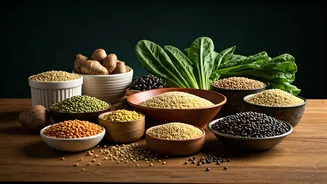
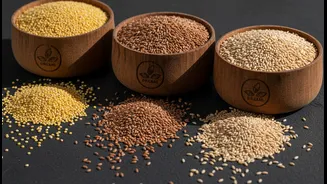
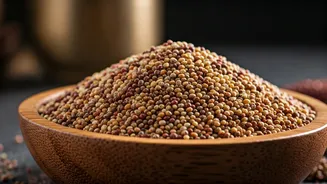
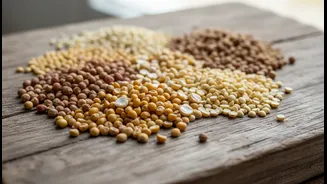
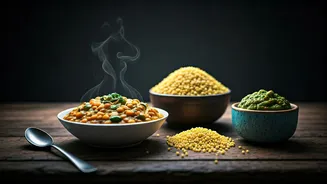
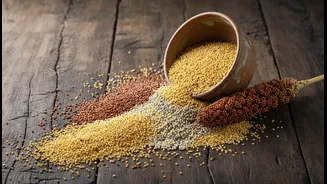
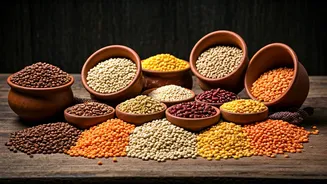
For many in India, a diet rich in plant-based protein is nothing new; it's the foundation of countless traditional meals. Lentils (dal), chickpeas (chana), and kidney beans (rajma) have been the backbone of Indian vegetarian diets for centuries, offering not just protein but also essential fibre and nutrients. Moong dal, for instance, is packed with about 24 grams of protein per 100 grams and is famously easy to digest. Similarly, ancient millets like ragi, jowar, and bajra are making a comeback, celebrated for their robust nutritional profiles. The modern wellness movement encourages us to look at these familiar foods with new appreciation. Sprouting legumes, a common household practice, actually enhances their nutritional value and digestibility. While soy products like tofu are newer additions, they have integrated well into Indian cooking, absorbing the rich flavours of masalas and curries while providing high-quality protein. It’s about celebrating and optimising the protein power already present in our culinary heritage.
Understanding Your Protein Sources
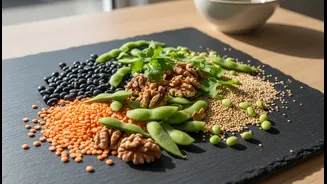
Not all proteins are created equal. The key difference lies in amino acids, the building blocks of protein. There are nine 'essential' amino acids that our bodies can't make, so we must get them from food. Animal proteins are typically 'complete,' meaning they contain all nine. Most plant proteins are 'incomplete,' lacking one or more of these essential acids. However, this isn't a deal-breaker. The old myth that you need to combine different plant proteins in the same meal has been debunked. The modern understanding is that eating a variety of plant protein sources—like legumes, grains, nuts, and seeds—throughout the day is sufficient to get all the essential amino acids your body needs. For example, a lunch of rajma with rice and a snack of peanuts later in the day contributes to a complete amino acid profile. Furthermore, some plant foods like soy, quinoa, buckwheat, and amaranth are complete proteins all on their own.
Simple Swaps for a Protein Boost
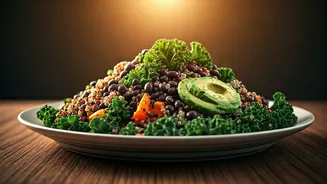
Incorporating more plant-based protein into your diet doesn't require a radical overhaul. It can start with simple, delicious swaps. Consider starting your day with a moong dal cheela instead of a plain dosa for a significant protein increase. For lunch, a salad topped with chickpeas and a sprinkle of seeds adds texture, fibre, and a protein punch. If you're cooking a curry, try swapping out half the paneer for firm tofu or chickpeas. Snack time is another great opportunity. A handful of roasted peanuts or a bowl of steamed edamame can be far more satisfying and protein-rich than packaged snacks. Even ancient grains like amaranth (rajgira) can be used to make porridge or laddoos, offering a nutty flavour and a surprising amount of protein and minerals. The goal is progress, not perfection. By making small, consistent changes, you can easily increase your plant protein intake without sacrificing flavour or convenience.
Beyond Health: The Environmental Edge
The benefits of shifting towards plant-based proteins extend beyond personal health to the health of the planet. Numerous studies confirm that plant-based food production has a significantly smaller environmental footprint than animal agriculture. Producing plant proteins generally requires far less land and water. For instance, some reports show that plant-based meat alternatives can reduce water use by up to 99% compared to conventional beef. Furthermore, the greenhouse gas emissions associated with plant-based foods like legumes and cereals are substantially lower than those from livestock farming. By choosing a dal or a bean-based curry over a meat dish more often, you are making a choice that helps conserve natural resources and reduces pollution, contributing to a more sustainable food system for future generations.