



The Age-Old Gamble of Farming
Farming in India has long been subject to the whims of nature. Unpredictable monsoons, sudden pest infestations, and declining soil fertility are constant threats that can turn a promising season into a devastating loss. In states like Punjab, the nation's
breadbasket, and Maharashtra, a hub for cash crops like sugarcane and cotton, these challenges are particularly acute. Farmers have traditionally relied on generational knowledge and visible cues to make critical decisions, but with climate change making weather more erratic, this is becoming increasingly difficult. For the millions whose livelihoods depend on agriculture, a single failed harvest can have profound consequences, trapping families in debt.
The Digital Guardians: Low-Cost Sensors
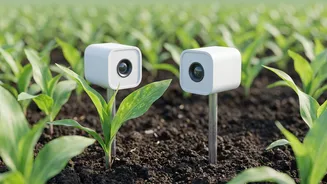
Enter the new tools of modern agriculture: low-cost sensors. These small but mighty devices are placed in the fields to act as digital watchdogs, continuously monitoring the invisible factors that determine a crop's fate. They measure everything from the moisture and nutrient levels deep within the soil to the ambient temperature and humidity. The key to their adoption is affordability. Innovations have driven down the cost of individual sensors, making them accessible not just to large agricultural corporations but to smallholder farmers. This network of sensors gathers a constant stream of hyper-local data, providing a real-time health report for a specific plot of land, something previously impossible to achieve.
From Data to Decisions: The AI Brain
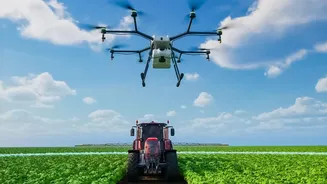
Collecting data is only half the battle; the real magic happens when Artificial Intelligence (AI) steps in to make sense of it all. AI platforms process the information from sensors, satellite imagery, and weather forecasts to provide farmers with simple, actionable advice, often delivered directly to their smartphones in local languages. Think of it like a doctor diagnosing an illness. An app might analyze an image of a leaf uploaded by a farmer, instantly identify a specific pest or disease, and recommend a targeted organic or chemical treatment. Another system could predict a dry spell and advise on the precise amount of water needed, preventing waste and reducing costs. This is precision farming in action, where resources are used exactly when and where they are needed.
Real Results from the Fields
The impact of this technology is no longer theoretical. In Maharashtra, a pilot project for sugarcane farmers in the Baramati region has shown stunning results. By using AI-driven alerts for irrigation and pest management, farmers have reported yield increases of 25% to 40% while cutting water and fertilizer use significantly. Similarly, grape farmers in the Nashik district are using on-field soil testing devices to get instant nutrient data, allowing them to correct deficiencies immediately and prevent income loss. In Punjab, the government is collaborating with institutions like IIT Ropar to create a roadmap for deploying AI solutions to boost productivity and sustainability, particularly for key wheat and rice crops. Startups like Fasal have reported users saving up to 60% on water and increasing yields by as much as 30%.
The Human Impact of a Tech Revolution
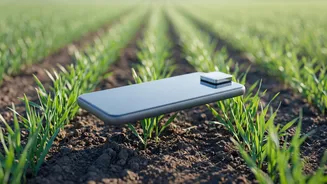
Beyond the impressive statistics, this technological shift is transforming the daily lives of farmers. The constant anxiety of the unknown is being replaced by a sense of control. Instead of reacting to problems after the damage is done, farmers can now act preventatively. This leads to more stable incomes and greater resilience against climate shocks. Government initiatives are also playing a crucial role. In August 2026, Maharashtra announced a pilot project to bring AI-powered farming to 10,000 farmers, covering key crops like cotton, soybean, and onions. National platforms like the National Pest Surveillance System empower farmers across the country with AI-driven diagnostic tools, turning a simple smartphone into a powerful defence against crop loss.