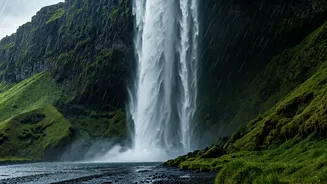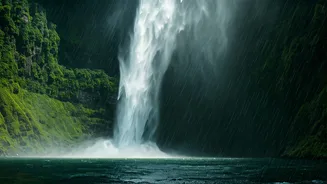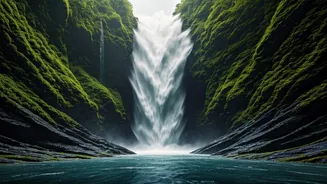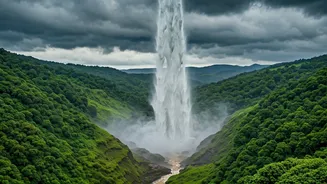

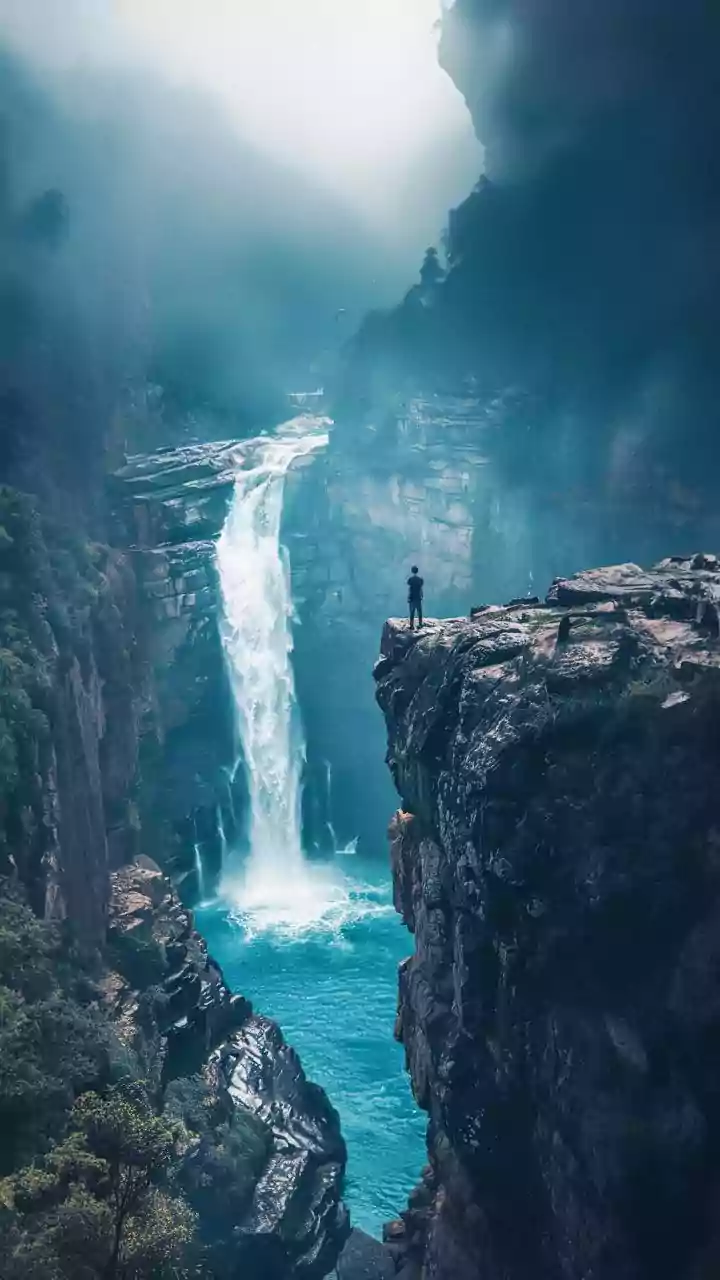


What Exactly Is a Reverse Waterfall?
Before you start questioning physics, let's clarify. A reverse waterfall isn't a river flowing uphill. Instead, it’s a spectacular illusion created by a perfect storm of conditions. When extremely strong winds blast against a cliff face, they can be powerful
enough to catch the falling water from a cascade and blow the spray upwards. The water itself is still obeying gravity, but the wind is so forceful that it atomises the stream and pushes the mist and smaller droplets back over the precipice. This effect is most common in coastal areas or mountain ghats, especially during stormy weather or monsoon seasons when wind speeds are at their peak. It creates a surreal, almost magical sight, making it feel like the world has been turned upside down.
1. Naneghat, Maharashtra
Arguably the most famous spot in India to witness this marvel is Naneghat, a mountain pass in the Western Ghats near Junnar in Pune district. During the peak monsoon months (July to September), this ancient trade route transforms into a natural spectacle. Trekkers and tourists flock here not just for the lush greenery and historical caves, but to see the numerous waterfalls along the cliffs seemingly flow backwards. The winds funnel through the pass with such intensity that they create a powerful updraft, sending curtains of water soaring into the air. The experience of being drenched by rain that appears to be falling upwards is something that stays with you long after the trip is over. The trek itself is moderately difficult, but the reward at the top is more than worth the effort.
2. Samrad Village, Sandhan Valley
Not far from Naneghat, near the village of Samrad, lies another hotspot for reverse waterfalls. This area is the base for the famous Sandhan Valley trek, often called the 'Valley of Shadows'. While the valley itself is an attraction, the surrounding cliffs come alive with reverse waterfalls during the monsoon. The landscape here is rugged and dramatic, with deep gorges and towering rock faces that create the perfect conditions for powerful winds. Visitors often describe standing at the edge of a viewpoint, watching streams of water gush upwards into the foggy abyss. It adds an element of otherworldly beauty to an already adventurous location. Combining a visit here with the Sandhan Valley trek makes for an unforgettable monsoon expedition.
3. Kavalshet Point, Amboli Ghat
The hill station of Amboli in Sindhudurg district is renowned for its high rainfall and rich biodiversity. It’s also home to Kavalshet Point, a viewpoint that offers panoramic vistas of the surrounding valleys. During the monsoon, this spot becomes a prime location to witness reverse waterfalls. The plateau-like structure of the ghats here means the area is exposed to ferocious winds coming from the valley below. These winds hit the waterfalls head-on, forcing the water back up in a fine, refreshing mist that often engulfs the entire viewpoint. It’s an immersive experience where you don’t just see the phenomenon—you feel it as the cool spray covers you from below.
Tips for Planning Your Visit
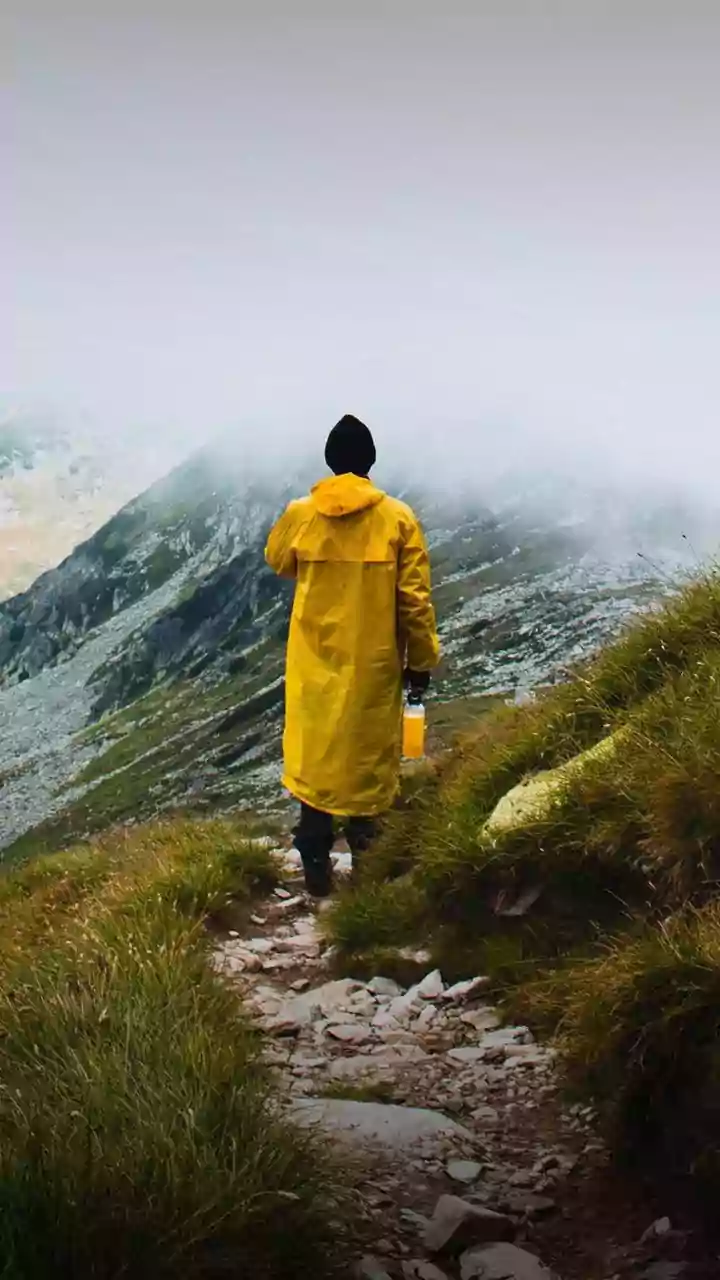
Seeing a reverse waterfall requires a bit of planning. The phenomenon is entirely dependent on two factors: rain and wind. Therefore, the best time to visit any of these locations is during the height of the Indian monsoon, typically from July to early September. Be prepared for wet and windy conditions. Wear waterproof gear, sturdy shoes with good grip as the terrain can be slippery, and protect your electronics. Safety is paramount; never stand too close to the edge of a cliff, as the winds can be dangerously strong and unpredictable. Always check the local weather forecast before you head out, as heavy rains can sometimes lead to road closures or unsafe trekking conditions.