





What's the Deal with Tart Cherries?
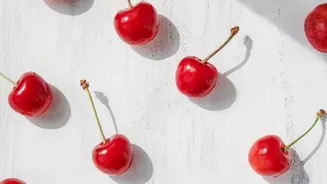
Before you grab any cherry off the shelf, it’s important to know we’re not talking about the large, sweet Bing cherries you snack on. The focus here is on Montmorency tart cherries, a smaller, brighter, and more acidic variety. While sweet cherries are
delicious, the Montmorency variety is packed with a higher concentration of certain beneficial compounds. The magic ingredient appears to be anthocyanins, a type of antioxidant flavonoid that gives the fruit its deep red colour. These compounds are believed to have potent antioxidant and anti-inflammatory properties, which are at the heart of the recovery claims. Think of these compounds as a natural clean-up crew for the cellular stress that exercise puts on your body.
The Science on Reducing Muscle Soreness
We’ve all been there: that deep muscle ache that sets in a day or two after a tough workout. This is known as Delayed Onset Muscle Soreness (DOMS), and it's caused by microscopic muscle damage and the resulting inflammation. This is where tart cherry juice is said to shine. Multiple studies have shown that athletes who consume tart cherry juice experience less muscle pain and faster recovery of strength compared to those taking a placebo. For instance, one study on marathon runners found that drinking the juice for several days before, during, and after the race minimized post-run muscle pain. Other research has shown that tart cherry juice can help reduce inflammatory markers like C-reactive protein after intense exercise. While the effect is often described as modest, studies suggest it provides a legitimate protective benefit against the muscle damage and pain from strenuous exercise. It seems the anti-inflammatory power of anthocyanins helps to calm the body's response to muscle-damaging workouts, aiding a quicker return to form.
A Natural Path to Better Sleep
Recovery isn’t just about soothing sore muscles; it's also about high-quality rest. Deep sleep is when your body does most of its repair work. Tart cherries offer a double-pronged benefit here. They are one of the few natural food sources of melatonin, the hormone that regulates our sleep-wake cycle. But that's not the whole story. Tart cherries also contain tryptophan, an amino acid that your body uses to produce its own melatonin. Some research suggests that compounds in tart cherries may even prevent tryptophan from breaking down in the body, making it more available for use. Studies have found that drinking tart cherry juice can increase sleep time and improve sleep quality, particularly in those with mild insomnia. By potentially helping you fall asleep faster and stay asleep longer, tart cherry juice supports the most fundamental pillar of recovery.
How to Use It for Your Fitness Goals
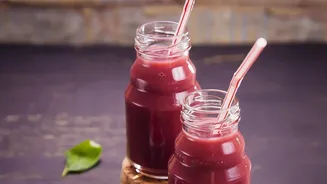
So, you’re ready to give it a try. What’s the best way to incorporate it? Most research has used a protocol of drinking it twice daily. A common dosage is around 8 to 12 ounces (about 240-355ml) of juice, or a 1-ounce (30ml) shot of concentrate, taken twice a day. For event-specific benefits, studies often have participants start this routine four to five days before a big race or event and continue for two to three days after to maximize recovery benefits. If you're using it primarily for sleep support, taking one of your daily servings an hour or two before bed may be most effective. When shopping, look for unsweetened tart cherry juice or concentrate, specifically from Montmorency cherries, to avoid added sugars that could counteract the health benefits. You can also find it in capsule or powder form.
Are There Any Downsides?
While tart cherry juice is a natural product, it’s not a magic potion and there are a few things to consider. First, many commercially available juices are high in sugar, so choosing an unsweetened version is key. The juice can also cause stomach upset in some people due to its sorbitol content, a type of sugar alcohol. Furthermore, it's not a replacement for the cornerstones of recovery: adequate sleep, proper nutrition, and smart training. Think of it as a potential supplement to an already solid routine, not a shortcut. The evidence is promising, but some studies show mixed or no effects, indicating that more research is needed to be definitive for all types of athletes and exercises. It's a tool that may offer an edge, but its effectiveness can vary from person to person.