


Footwear: Your Most Critical Gear
Forget everything else if you get this wrong. Monsoon trails are a treacherous mix of slippery rocks, slick mud, and flowing streams. Regular sports shoes or sneakers are a recipe for disaster, offering poor grip and no ankle support. Invest in proper
trekking shoes with deep lugs and a soft rubber sole, often called gum rubber, which provides better friction on wet surfaces. While fully waterproof boots sound ideal, they can trap water that enters from the top, leading to soaked feet. Many seasoned trekkers prefer water-resistant, quick-draining shoes paired with waterproof socks, a combination that keeps feet drier and more comfortable. Always break in new shoes before a trek to avoid painful blisters.
The Right Clothing System
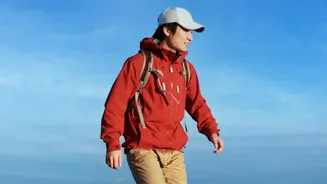
The golden rule of monsoon trekking is simple: no cotton. Cotton absorbs moisture, takes forever to dry, and will leave you feeling cold, damp, and prone to chafing. Instead, opt for a layering system of quick-dry synthetic fabrics like polyester or nylon. Wear full-sleeved T-shirts and full-length trekking pants. This not only helps with the cool, damp weather but also provides a crucial first line of defense against scratches and, most importantly, leeches. A lightweight, breathable rain jacket or a poncho that can cover both you and your backpack is non-negotiable.
Beyond the Jacket: Essential Accessories
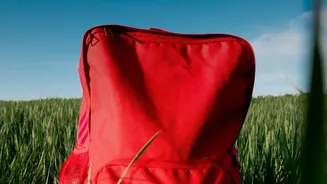
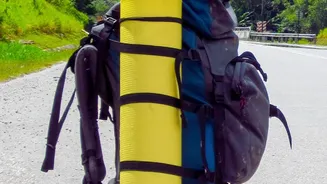
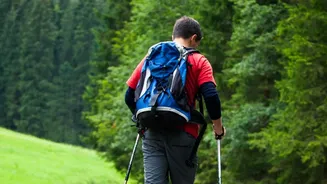
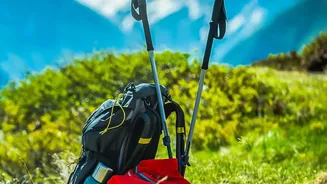
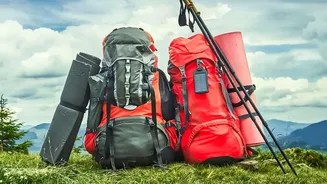
A few key items elevate your safety and comfort. Trekking poles are a must-have, not a luxury. They provide two extra points of contact with the ground, dramatically improving your stability on slippery descents and helping you gauge the depth of muddy patches. Inside your pack, everything should be protected from water. Use a backpack with a rain cover, but don't stop there. Pack your clothes, electronics, and food in separate dry bags or heavy-duty plastic bags for internal waterproofing. Also, carry a basic first-aid kit with additions for monsoon-specific issues, such as antiseptic for leech bites, bandages, and perhaps an antifungal cream.
Dealing with Leeches
Leeches are an unavoidable part of trekking in the Western Ghats during the monsoon. While generally harmless, they can cause panic and discomfort. The best prevention is physical barriers: wear full-length socks, and consider investing in dedicated anti-leech socks which are made of thick fabric. Tucking your pants into your socks can also create a barrier. Many locals and experienced trekkers apply repellents like a Dettol-water mixture, salt water, or tobacco-infused oil on their shoes and socks. If one latches on, don't panic or pull it off, as its mouthparts can remain in your skin. Instead, sprinkle salt or apply a dab of sanitiser or vinegar, and it will detach on its own. The bite will bleed due to an anticoagulant they inject, but it usually stops on its own. Clean the wound with antiseptic afterward.
Mindset and Local Knowledge
Physical gear is only half the battle. The monsoon environment is unpredictable, with risks like flash floods and landslides. Always check the weather forecast and heed local advisories, as some trails may be officially closed for safety. Trekking with an experienced local guide or a reputable group is highly recommended. They understand the terrain, know which streams are prone to swelling, and can identify alternate routes if needed. Start your trek early in the day to avoid diminishing light and the often-heavier afternoon rain. Walk slowly and deliberately, especially on slippery sections. A successful monsoon trek is about respecting the power of nature and being prepared to adapt to its challenges.