



Beyond the Traditional Wardrobe
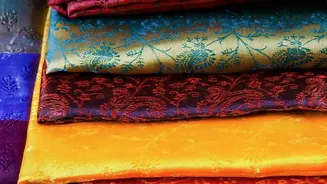
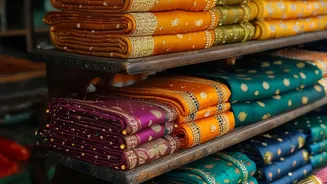
For generations, India's handloom weavers have been the custodians of an incredible craft, producing exquisite textiles for sarees and traditional wear. However, in recent decades, many have faced immense challenges. Competition from machine-made textiles,
a fractured supply chain with multiple middlemen, and shifting consumer tastes created economic uncertainty for artisan communities. The Fourth Handloom Census noted that a significant number of weavers do not have enough work to fill the year, highlighting an order-flow problem. This left many skilled weavers struggling for a stable, dignified income, with their priceless skills at risk of fading away.
A New Canvas for Ancient Crafts
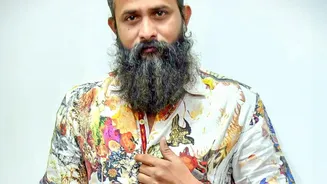
Simultaneously, another revolution was taking place in urban India: the rise of streetwear. More than just hoodies and sneakers, this fashion movement is driven by a desire for authenticity, individuality, and purpose. As consumers, particularly Gen Z, become more conscious of sustainability and ethical production, they are actively seeking out brands with a story. This created a perfect opportunity. Designers realised that handloom fabrics like Khadi, Ikat, and Chanderi offer something fast fashion cannot: unique textures, rich heritage, and a low environmental footprint. The very qualities that make handloom special—its slight imperfections and human touch—are now seen as markers of luxury and authenticity in the streetwear world.
Forging the Connection
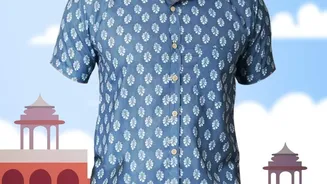
The bridge between a weaver in a remote village and a streetwear designer in a bustling city is being built by a new generation of entrepreneurs and organizations. Brands like NorBlack NorWhite and Johargram have built their entire philosophy around collaborating directly with artisan clusters. They work with weavers not just as suppliers, but as creative partners, co-designing textiles that fit contemporary silhouettes like bomber jackets and oversized shirts. Social enterprises and sourcing partners like Trinity Circle and Anuprerna are also playing a crucial role, creating transparent supply chains that connect global brands with weaving communities in places like Maheshwar, Bhujodi, and Bhagalpur. This direct-to-artisan model cuts out exploitative middlemen, ensuring weavers receive fairer wages and a greater share of the final price.
More Than Just a Garment
This collaboration is proving to be a win-win situation. For weavers, it means a steadier income, renewed pride in their craft, and the chance to see their traditional skills adapted for a global audience. For designers and brands, it provides access to unique, high-quality, and sustainable materials that resonate with modern consumers. Labels that champion handloom can build a powerful brand narrative around ethics, heritage, and responsible fashion. For the consumer, it offers a garment with a soul—a piece of clothing that carries a story of culture, craftsmanship, and community empowerment. This connection to the maker is something fast fashion can never replicate.
Weaving a Sustainable Future
The path forward is not without challenges. Ensuring scalability while maintaining quality, protecting artisans from exploitation, and navigating the complexities of the fashion market are ongoing tasks. However, the momentum is undeniable. Government bodies like the Ministry of Textiles are also recognizing the potential, fostering designer-weaver collaborations through initiatives and conclaves aimed at boosting the sector. The fusion of handloom and streetwear is more than just a passing trend; it represents a sustainable business model that honours the past while innovating for the future. It’s a blueprint for how fashion can be a force for good, creating economic value that also preserves cultural heritage and empowers communities from the ground up.