





The Magic of Monsoon
The rainy season is nature's own nurturing hand, making it the ideal time for aspiring gardeners to begin their journey. The consistent moisture from rain showers means you water less, while the high humidity creates a greenhouse-like effect that helps
seeds germinate and young plants thrive. The cooler temperatures, typically ranging from 20°C to 30°C, are perfect for the growth of many vegetables and flowers. This season softens hard, compacted soil, making it easier to prepare your pots for planting. Essentially, the monsoon does half the work for you, creating a forgiving environment for beginners and rewarding seasoned gardeners with lush, rapid growth.
Choosing Your Green Champions
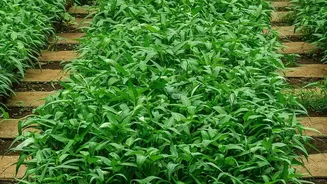
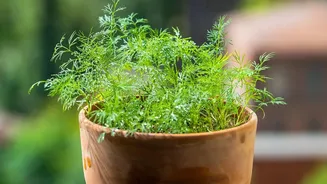
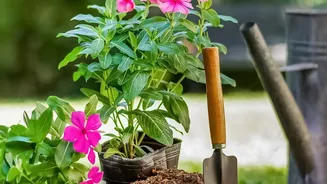
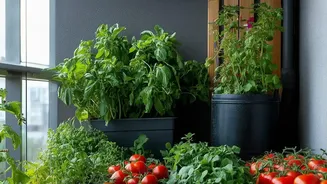
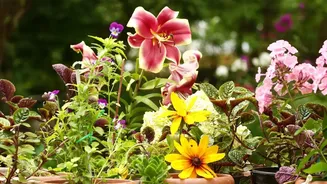
Not all plants are created equal when it comes to braving the rains. For a thriving monsoon balcony, choose hardy species that love moisture but can also handle the occasional dry spell. Flowering plants like Balsam, Periwinkle, Hibiscus, and Marigolds are excellent choices, bringing vibrant colour to overcast days. Marigolds are also natural pest-repellents, which is a bonus during the humid months. For an edible garden, consider planting herbs like Tulsi (Holy Basil) and mint, which flourish in these conditions. You can also easily grow vegetables like chillies, tomatoes, and leafy greens like spinach and amaranth. These plants are well-suited for pots and deliver the unmatched joy of a fresh, home-grown harvest.
The Art of Potting and Soil
The single most critical factor for a successful monsoon balcony garden is drainage. Excess water is a bigger enemy than a lack of it, often leading to root rot. Ensure every pot has at least one drainage hole at the bottom. It's also a great practice to elevate your pots on stands or bricks to prevent water from collecting at the base. The right soil mix is equally important. Avoid heavy, clayey soil that retains too much water. Instead, opt for a light, well-draining potting mix. A simple and effective recipe involves combining garden soil, compost for nutrients, and cocopeat or sand to improve aeration and drainage. This ensures that while your plants enjoy the rain, their roots can still breathe.
Avoiding Common Pitfalls
While the monsoon is a blessing, it comes with its own set of challenges. The most common mistake is overwatering. Even on a rainy day, check the soil's moisture before watering; if the top inch feels damp, your plants are fine. High humidity also makes plants susceptible to fungal infections and pests like snails and slugs. To combat this, ensure there's good air circulation by not overcrowding your pots. Regularly remove any dead leaves or faded flowers to prevent rot. A spray of neem oil solution is an excellent organic way to keep most pests at bay. Finally, remember that even on cloudy days, most plants need some light, so place them in the brightest part of your balcony.
More Than Just a Pretty Corner
A balcony garden is more than just an aesthetic upgrade; it's a boost for your well-being. The simple act of tending to plants can be a powerful stress-reliever, offering a mindful escape from the hustle of city life. It provides a tangible connection to nature and the changing seasons. Growing your own herbs and vegetables gives you access to fresh, chemical-free produce, enhancing your meals and your health. Furthermore, green spaces in urban areas contribute to cleaner air and can even help cool your home. Your small balcony garden becomes a personal contribution to a greener, healthier city.