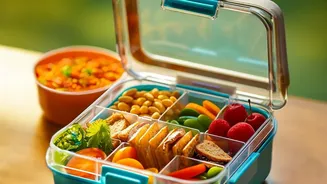



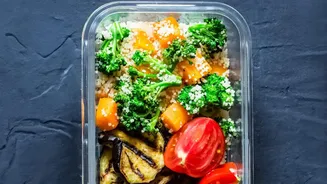

The dream of a home-cooked meal every night often clashes with busy reality. A twice-weekly batch cooking plan is the perfect compromise, letting you enjoy delicious, ready-to-heat food without the daily effort of cooking from scratch.
Soups, Stews, and Curries
Wet-cooked dishes
are the undisputed champions of reheating. Soups, stews, chilis, and curries not only hold up well, but their flavours often deepen and improve overnight as the ingredients meld together. The liquid base, whether it's a broth or a rich sauce, protects the meat and vegetables from drying out during reheating. Dishes like rajma, chole, beef stew, and Thai green curry are perfect candidates. When you're ready to eat, simply reheat a portion gently on the stovetop or in the microwave, stirring occasionally for even heating. Add a splash of fresh herbs or a squeeze of lime at the end to brighten the flavours.
Casseroles and Bakes
From lasagna to shepherd's pie and baked pasta, casseroles are designed for convenience. Assembled and baked in one dish, they are easy to portion and store. The layers and combined ingredients hold moisture well, preventing the dreaded dry-out effect. A key benefit is that as these dishes cool and set, they become easier to slice into clean portions. For best results, reheat individual portions in the microwave or place the entire dish back in the oven, covered with foil, until warmed through. The foil traps steam, ensuring the casserole stays moist.
Braised and Pulled Meats
Slow-cooked meats like pulled pork, shredded chicken, or beef brisket are fantastic for batch cooking because their texture is already tender and forgiving. Cooking these cuts low and slow breaks down connective tissue, resulting in moist meat that can be easily repurposed. Store the cooked meat in some of its cooking liquid or sauce to keep it from drying out. You can then use the shredded meat throughout the week for tacos, sandwiches, salads, or grain bowls. Reheating is best done on the stovetop with a little sauce or broth to maintain moisture.
Roasted Root Vegetables and Grains
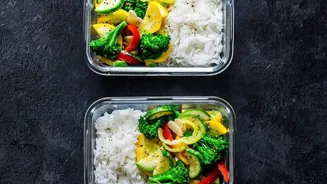
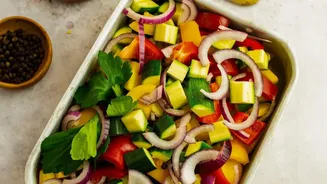
While delicate vegetables can become soggy, sturdy ones like carrots, potatoes, sweet potatoes, and broccoli hold their texture well after roasting. Chop them into uniform pieces before cooking to ensure they reheat evenly. To revive their texture, a quick stint in a hot oven or an air fryer is often better than the microwave. For the base of your meals, large batches of grains like rice, quinoa, or farro are incredibly durable. Store them in an airtight container in the fridge. When reheating rice or other grains, adding a splash of water and covering the container helps to steam them back to life.
What to Reconsider for Batch Cooking
Not all foods are created equal when it comes to reheating. Anything with a crispy, fried coating will almost always become soggy. Delicate greens will wilt, and creamy sauces made with dairy can sometimes separate or become grainy when reheated. Most seafood, particularly shrimp, is also tricky as it can easily become rubbery and overcooked. Finally, dishes with very different components, like a stir fry with crisp vegetables and noodles, are often best assembled just before eating by prepping the ingredients separately. This way, you can reheat what needs to be hot while keeping other elements fresh and crisp.