




Understanding Why Plated Jewellery Tarnishes
Before diving into care, it's helpful to know what you're up against. Gold-plated jewellery has a thin layer of gold over a base metal, often brass or copper. Gold itself doesn't tarnish, but when the plating wears down from friction or chemical exposure,
the base metal underneath is exposed to air and moisture. This exposure causes a chemical reaction called oxidation, which results in the dull, discoloured tarnish that ruins the look of your piece. Humidity, sweat, perfumes, and lotions all speed up this process, making proper care essential.
The Golden Rule: Last On, First Off
One of the easiest habits to adopt is making your jewellery the last thing you put on before leaving the house and the first thing you take off when you get home. This simple rule minimises contact with chemicals found in perfumes, hairsprays, lotions, and sunscreens. These products contain ingredients that can corrode the plating and accelerate tarnishing. Allow all your cosmetics to dry completely before accessorising to create a protective barrier.
Combatting Moisture: Your Top Priority
Moisture is the primary enemy of plated jewellery. Humidity in the air, especially during monsoon season in India, is enough to cause damage. Therefore, storing your pieces correctly is non-negotiable. Never leave your jewellery in the bathroom, where steam from showers creates a highly humid environment. Always make sure your jewellery is completely dry before putting it away; wiping it with a soft cloth after each wear is a great habit to get into.
Smart and Dry Storage Solutions
How you store your jewellery makes a huge difference. To protect against moisture and air exposure, keep each piece in its own airtight container, like a small zip-lock bag. Squeezing the air out before sealing can further slow down oxidation. For an extra layer of protection, especially in very humid areas, add a small silica gel packet to your jewellery box or storage bags to absorb excess moisture. Anti-tarnish strips are another excellent tool that can be placed inside storage containers.
Prevent Scratches and Friction
Tossing all your jewellery together into one box is a recipe for disaster. When pieces rub against each other, the friction can scratch and wear away the thin gold plating, exposing the base metal underneath. This is one of the most common causes of premature wear. The best solution is to store each item separately. Use individual soft pouches, lined jewellery boxes with compartments, or hang necklaces to prevent them from tangling and scratching other pieces.
Gentle Cleaning for Lasting Shine
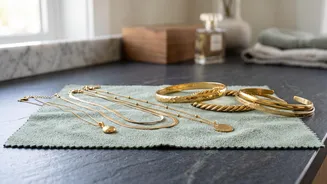
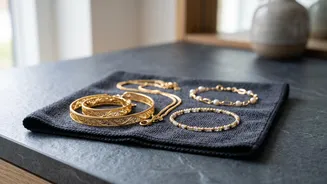
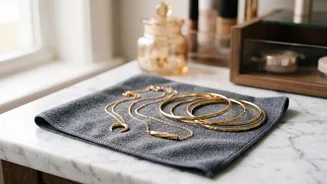
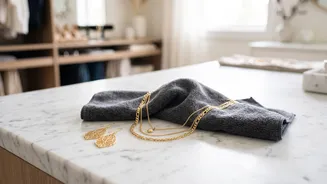
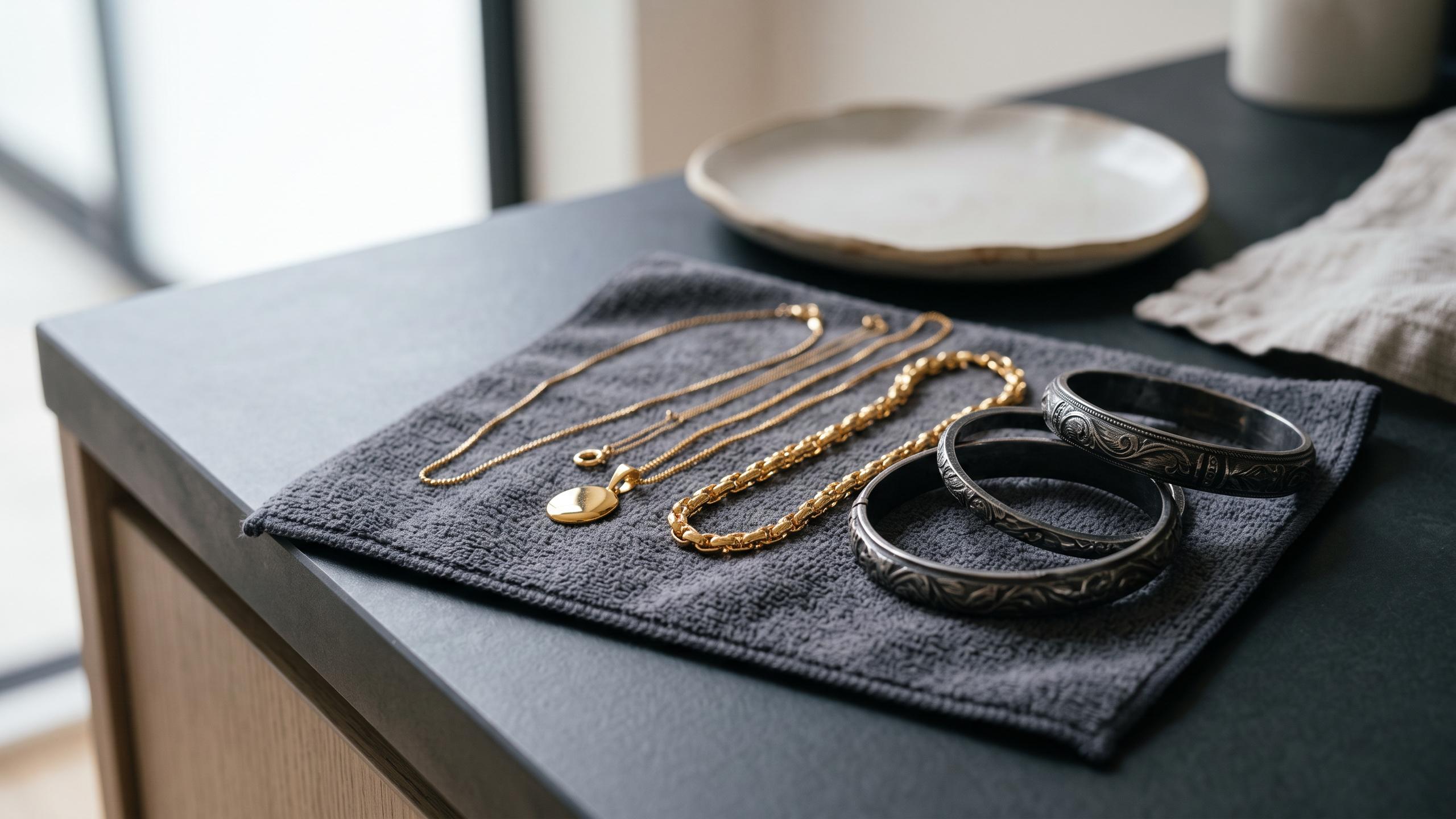
Regular, gentle cleaning removes accumulated oils, dirt, and residue. For a routine clean, simply wipe pieces down with a soft, lint-free cloth like microfiber. For a deeper clean, mix a few drops of mild dish soap with warm water. Soak the jewellery for about 5-10 minutes, then use a soft-bristled toothbrush or a cotton swab to gently clean any crevices. Rinse thoroughly with clean water and, most importantly, dry the piece completely with a soft cloth before storing. Never use abrasive cleaners like baking soda, toothpaste, or harsh chemicals, as they can strip the plating.
Know When to Take It Off
Plated jewellery is not meant for 24/7 wear. To preserve its life, always remove your pieces before activities that involve moisture or friction. This includes showering, swimming in a pool or the ocean, washing dishes, and exercising. The chlorine in pools and salt in sweat are particularly corrosive and can quickly damage the finish. It's also wise to remove rings and bracelets before any manual tasks to avoid scratches and unnecessary wear.